Stadia & Arenae
Designing the Future of Sports Architecture
Designing the Future of Sports Architecture
highly qualified structural specialized in the design of big covers roofs, especially stadia, airports, special steel structures, and long span structures. It is one of the leaders field package civil Buildings Stadia. business includes retractable roofs and moving mechanical systems which complete package stadium sport facilities strong background concept design, schematic design, design, construction design, drawings production. daily conferences and telecon meetings, contact with our clients to develop in real time concepts and ideas, defining step to step the scheme of the design, considering: budget, scheme, technology, availability based market, installation method maintenance. Related services normally consist of: Support Architects to define materials and constructability of their Scenarios Support to design teams during technical procedures Shop, production, and installation drawings Full package design in the construction phase Method statement for installations Tender documents preparation Third party check and feasibility analysis Value Engineering & Geometry optimization Tender packages and associated reports Support to contractors during tender phase Concept, schematic, Final Design and Construction Design Shop Drawings Structural verification Parametric Modeling & Optioneering
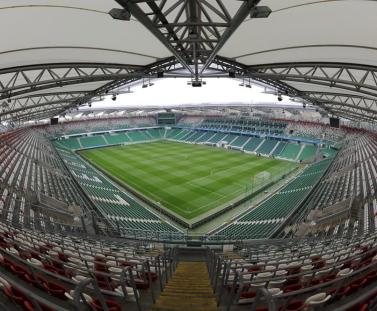
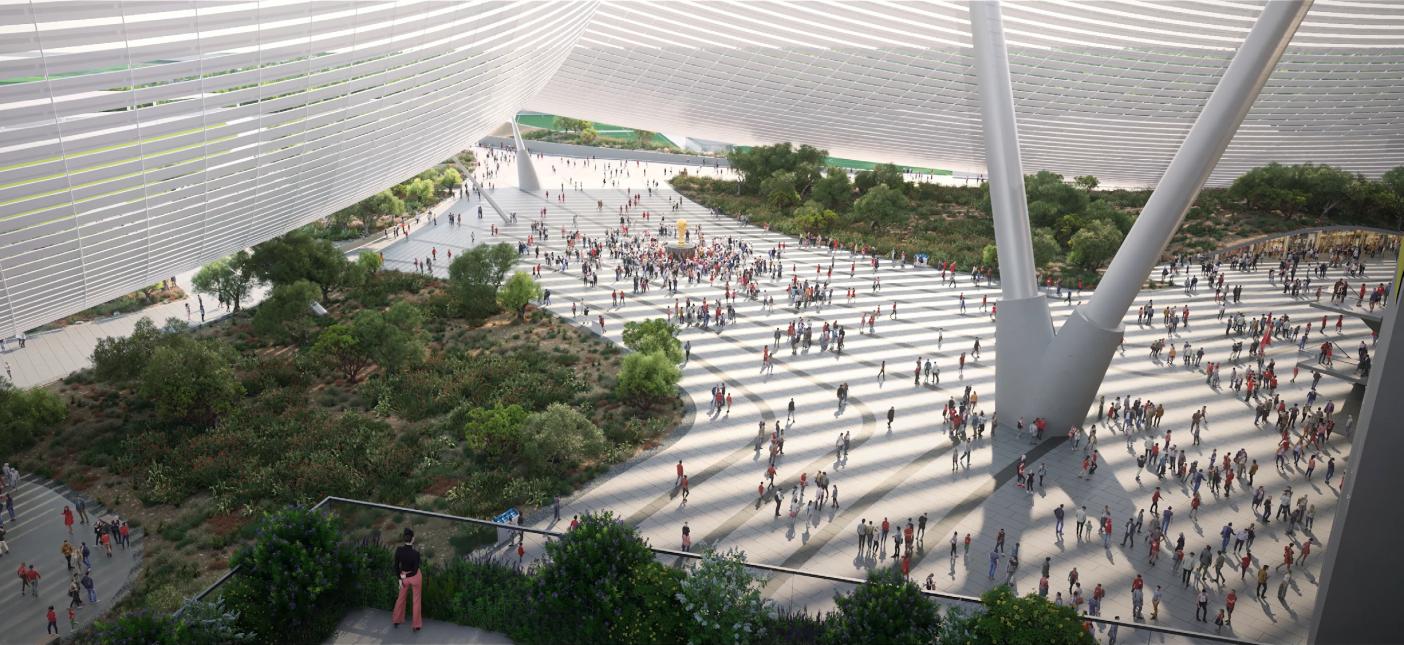
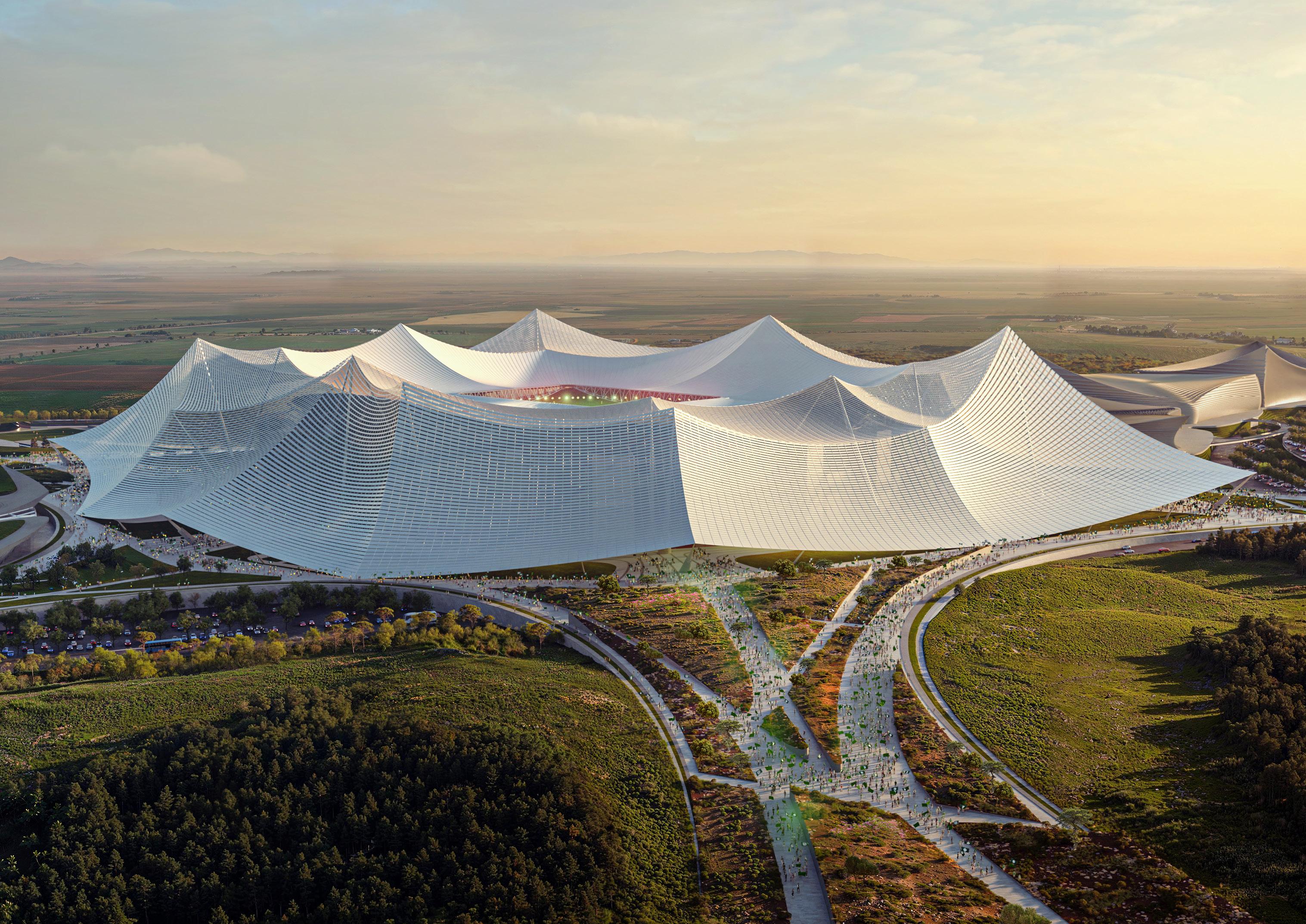
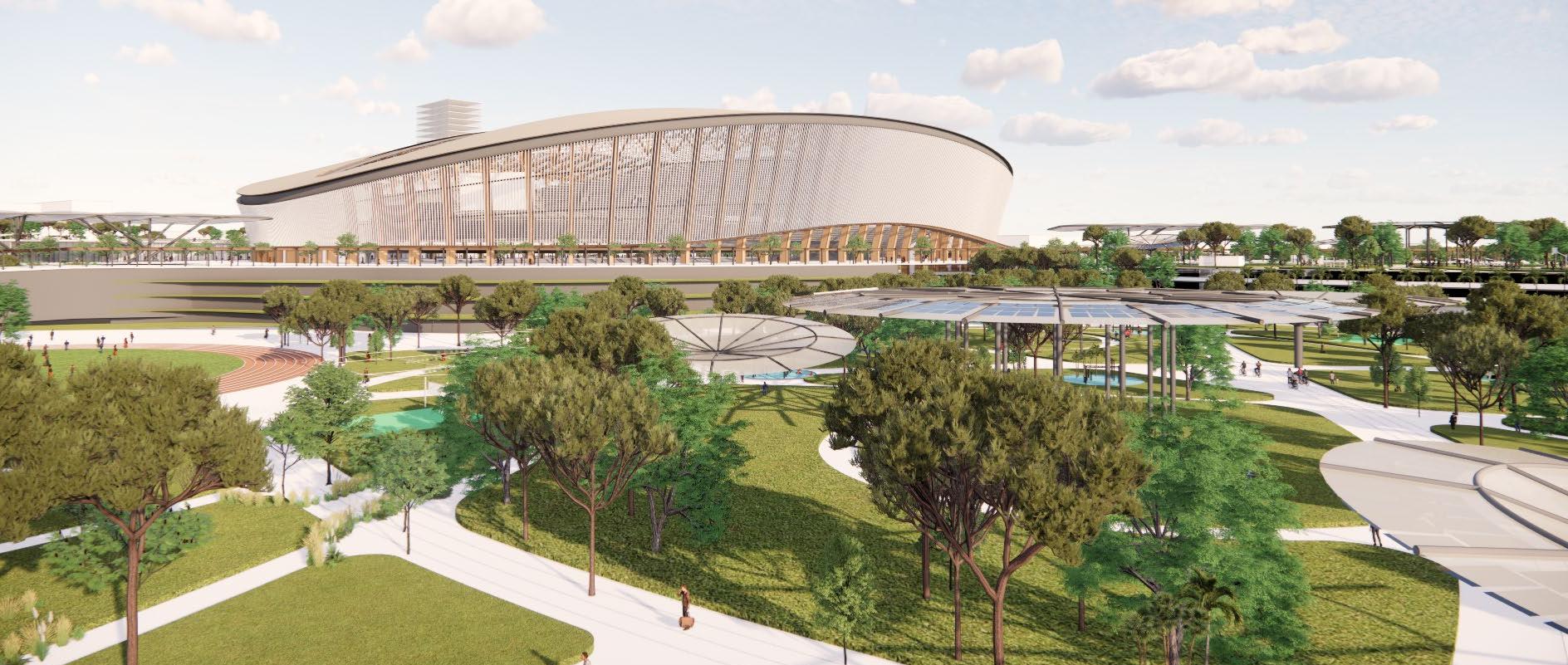
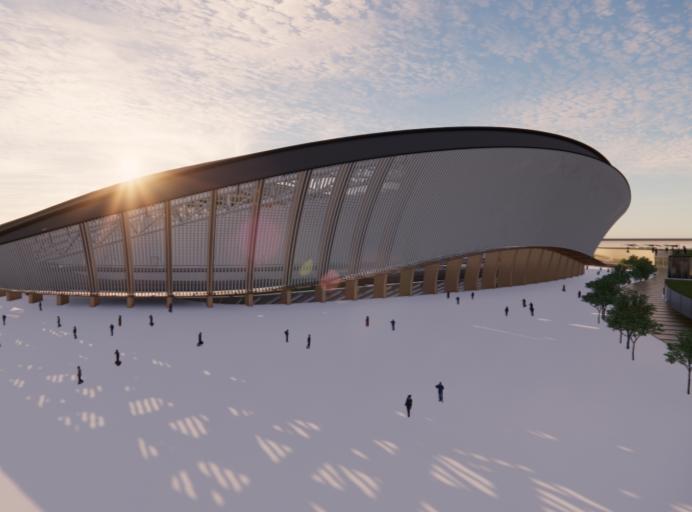
Tensile Structures | Special structures | Oualalou + Choi The stadium will be fully compliant for FIFA competitions, with the ability to host games at the FIFA World Cup 2030, following Morocco’s naming as joint hosts for the tournament alongside Spain and Portugal. It will also serve as the home of two local clubs. Preparation for groundworks to start is underway on a 100-hectare site in the town of El Mansouria, in the province of Benslimane, 38 km north of Casablanca, after public Oualalou + Choi and Populous winning scheme draws inspiration from the traditional social gathering of Morocco known as a ‘moussem’, with the stadium structure set under a grand, tented roof that emerges as a dramatic intervention in the forested landscape. concrete structures for the bowl, as well as the metal structures and fabric for the roof.
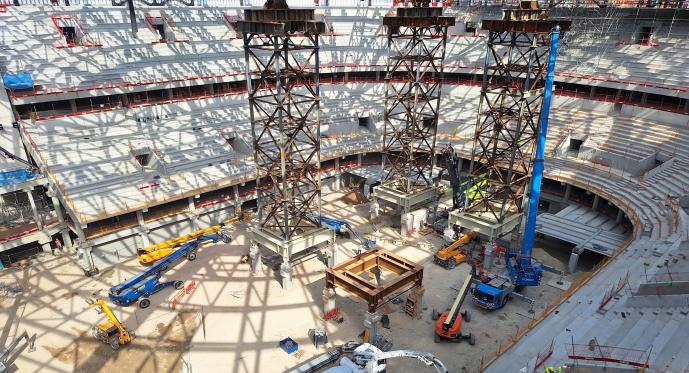
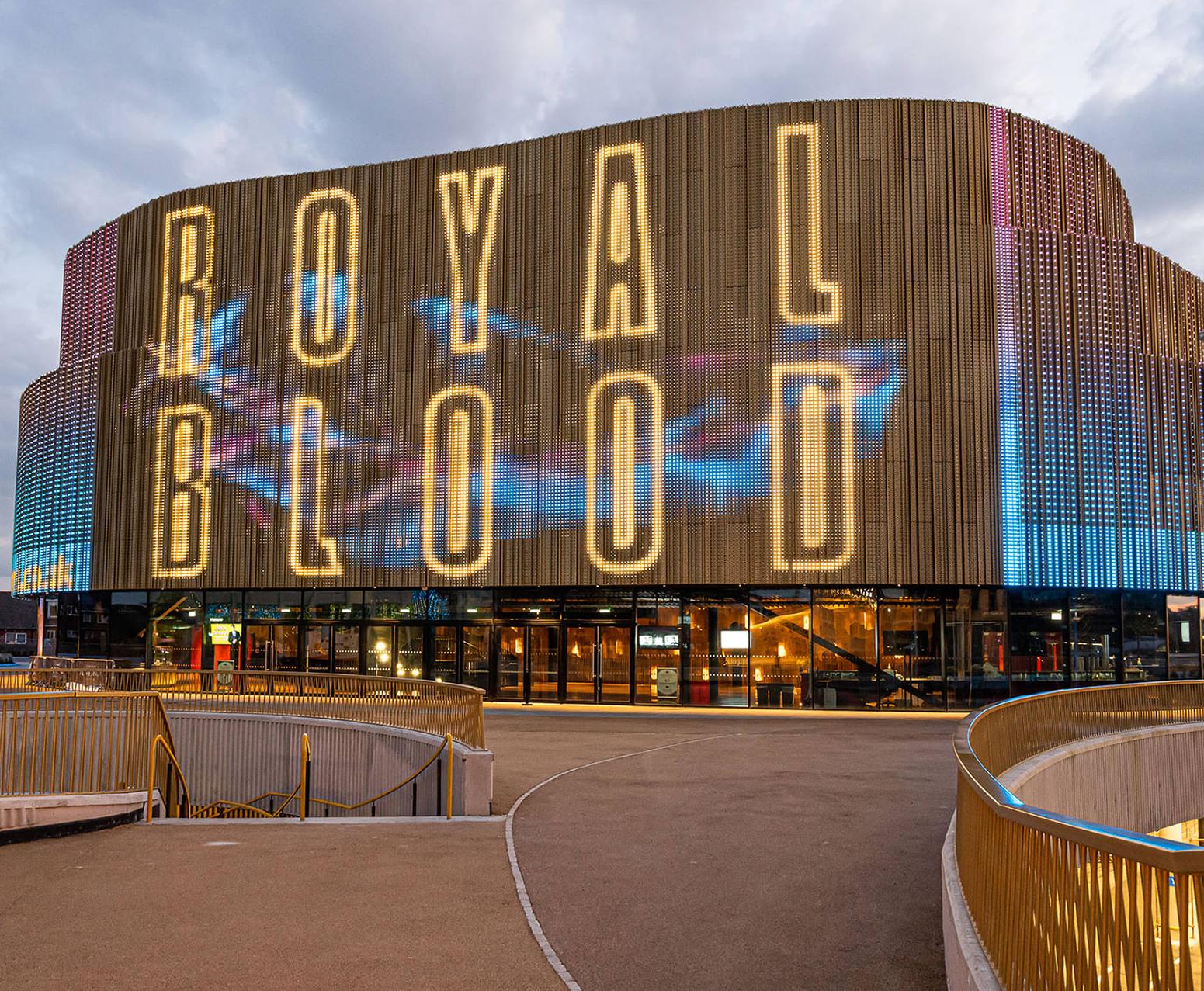
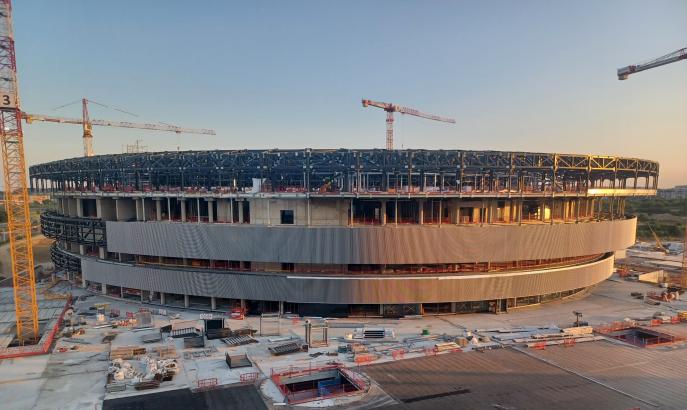
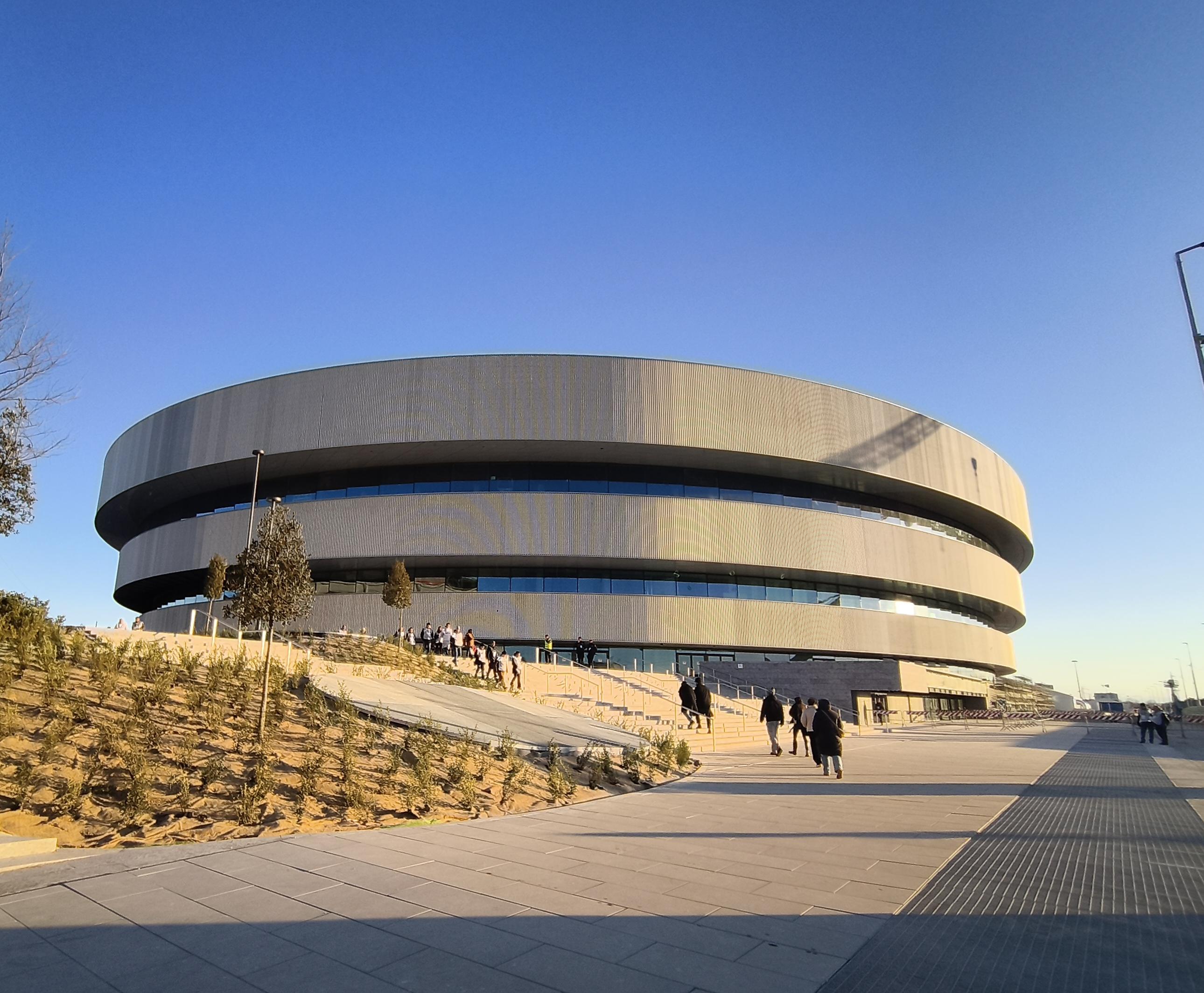
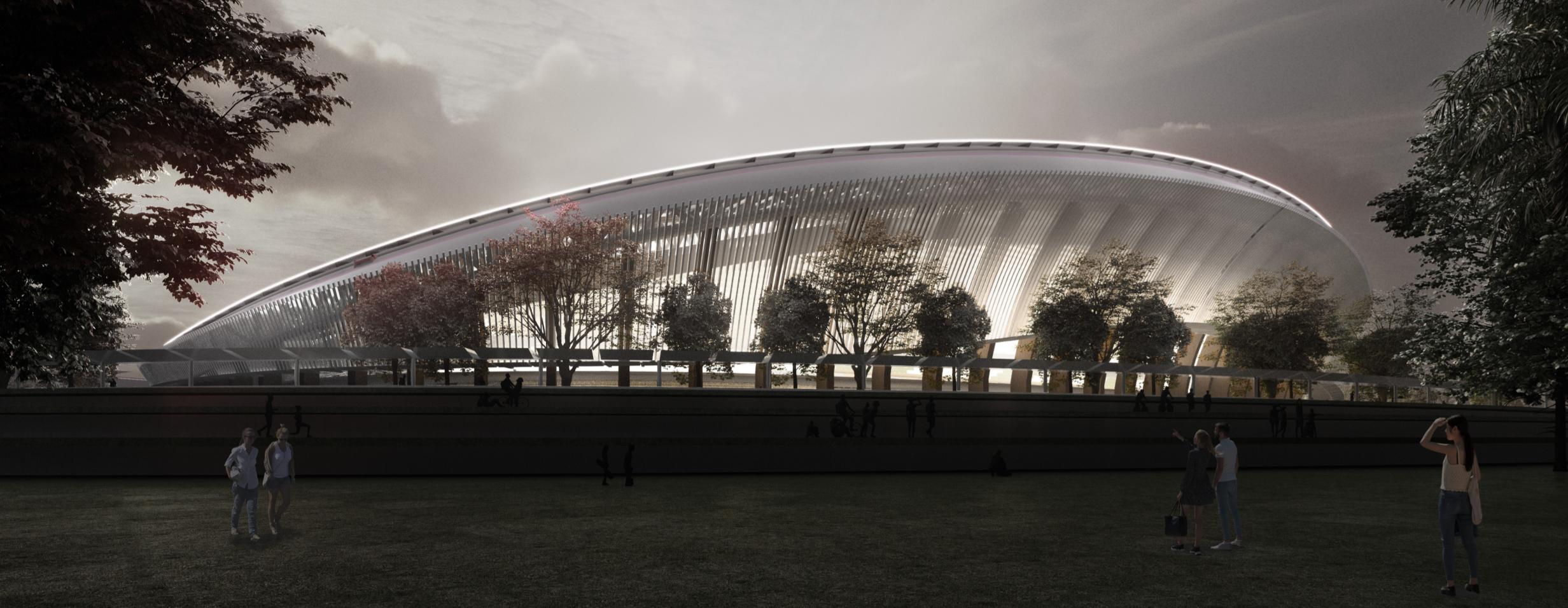
StructuralEngineering | Geotechnical Milano Santa Giulia, a new urban district, is undergoing redevelopment in the south-east of Milan. It is conveniently located just a few kilometers from the city center and boasts excellent connections to both the high-speed train network and major motorways. The centerpiece of this vibrant new neighborhood is a 16,000-capacity arena, designed to host a wide range of sports and cultural events. Its elliptical form pays homage to Milan's historic Roman amphitheater, offering a contemporary take on an ancient archetype and creating a dynamic space for collective entertainment. This arena will be a prime venue for large concerts, sports events, and festivals, and is set to play a key role in the Winter Olympic Games in early 2026. Maffeis is spearheading the entire geotechnical, structural, and façade design for this ambitious project. Full Facade design of the Arena, including the large-scale integrated media wall, wrapping the façade, enhancing the venue’s entertainment and commercial value. The project utilized a collaborative design environment on Autodesk Construction Cloud (ACC) with a BIM Execution Plan. The project has undergone a complete redesign starting from Stage 04 (Construction Documents incorporating prefabricated technologies.
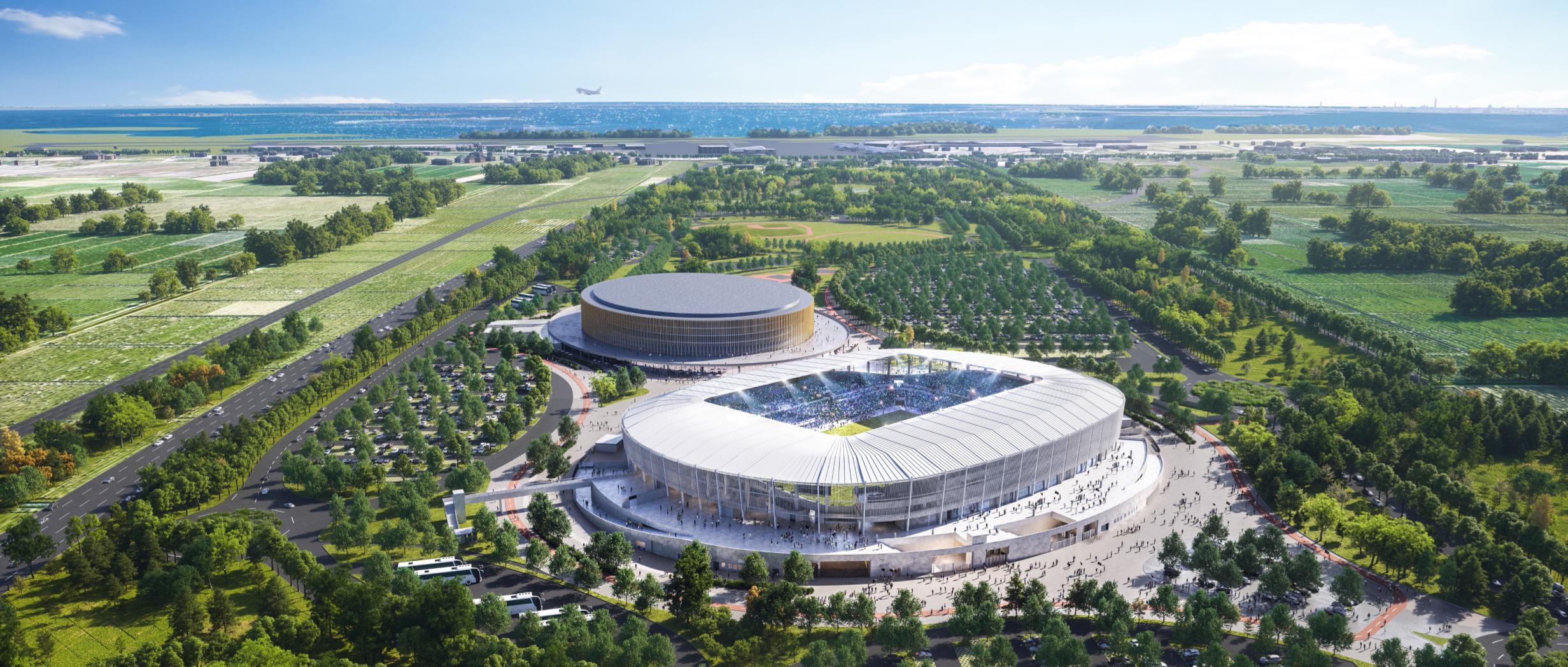
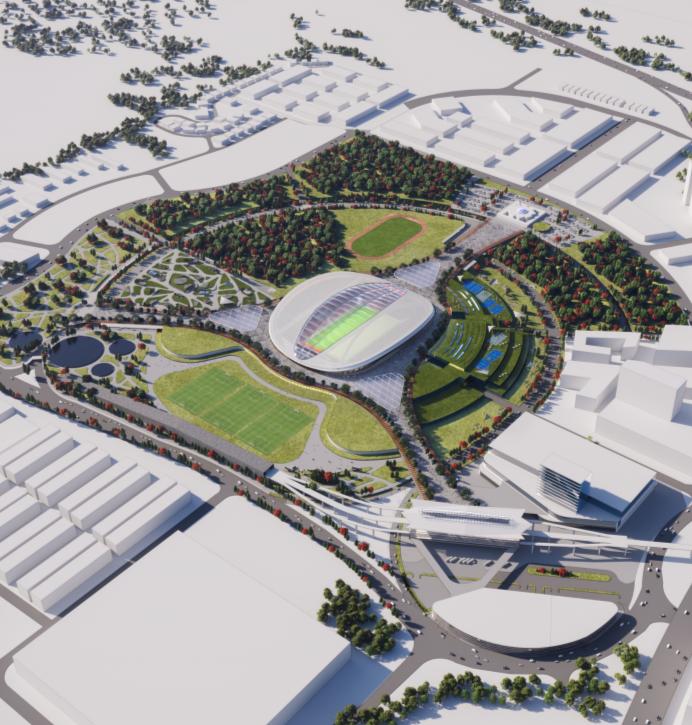
Structural design of Steel and Concrete Structures Municipality of Venice Populous Limited The "Bosco dello Sport" (Sports Forest) is an ambitious project that harmonizes nature with a significant architectural intervention to create a 16,000-seat football and rugby stadium and a 10,000-seat covered arena. The arena is designed to host a variety of sporting events as well as concerts and performances. The stadium pays homage to the lagoon landscape, drawing inspiration from elements like reeds and the sequences of poles and "briccole" used for mooring gondolas and marking waterways.Retractable stands and modular walls are just some of the features ensuring maximum versatility in a project that places great emphasis on sustainability. The design adheres to the Minimum Environmental Criteria established by the Ministry for Ecological Transition, favoring materials and construction techniques with minimal environmental impact. It also incorporates a range of measures aimed at sustainability, including the exclusive use of renewable energy sources and a system for collecting and reusing rainwater. structural design of the stadium, as well as the coordination with the designers of other disciplines.
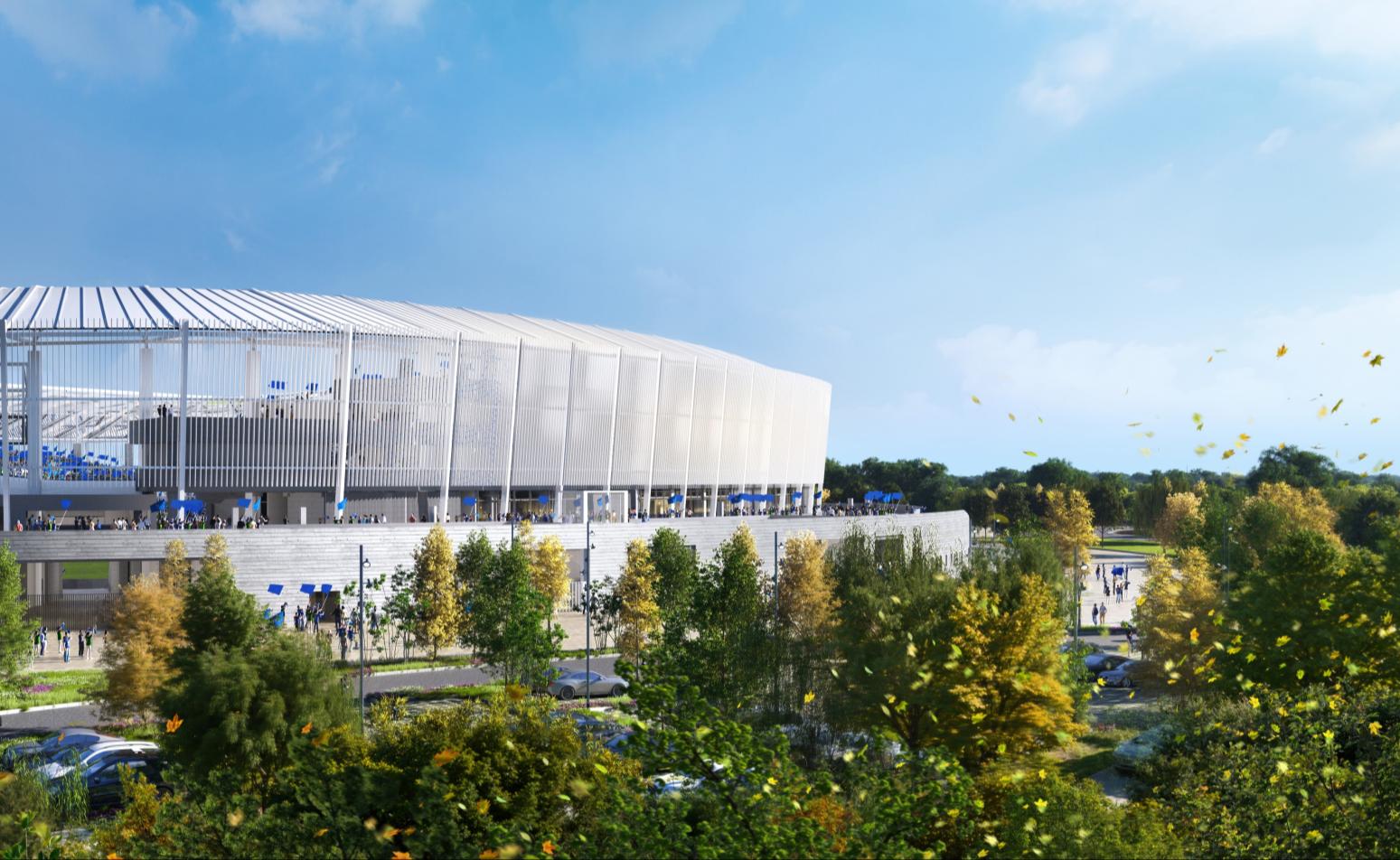
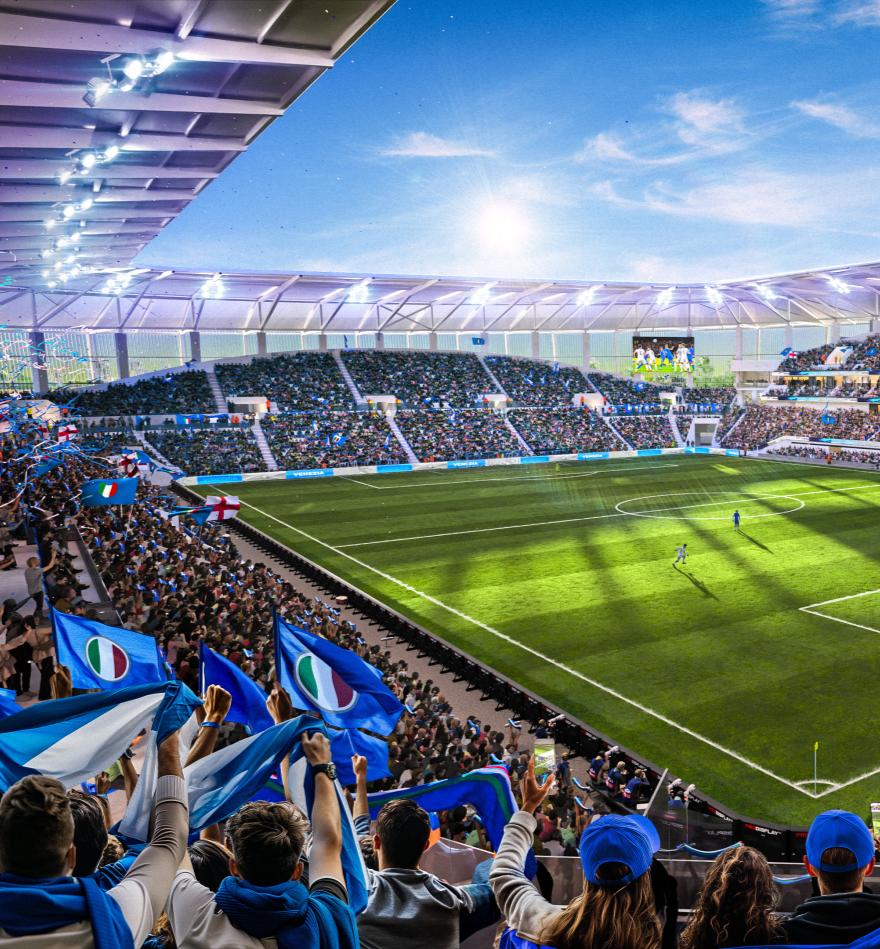
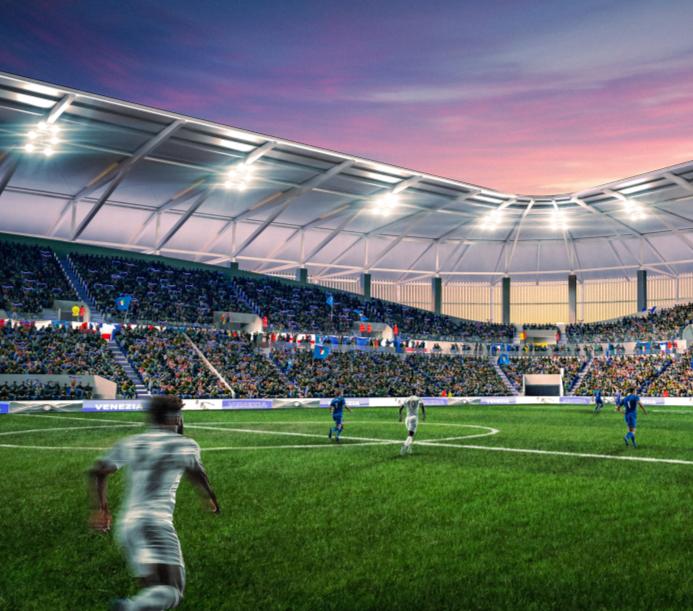
Structural and Façade Engineering Consultancy Services (Concept Design, Schematic Design and Design Development phases) of façade structures, roof and retractable pitch.
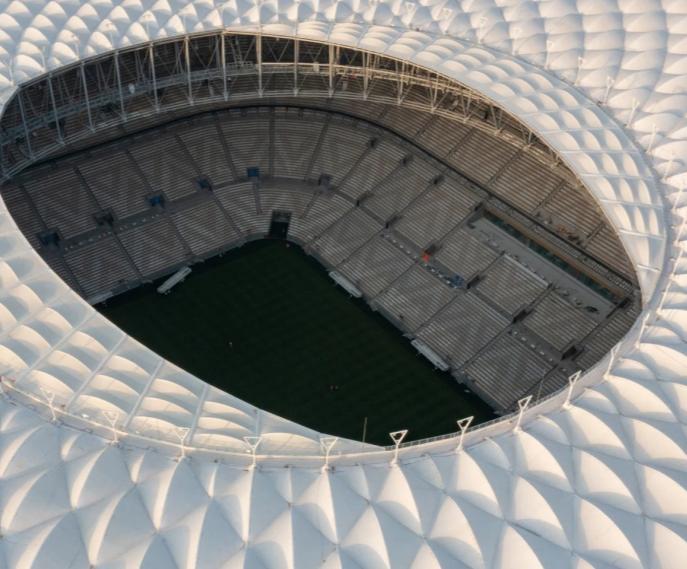
Construction Engineering services for the roof system STEEL CONTRACTOR JINGGONG INTERNATIONAL THIRD PARTY CHECK Maffeis scope of service was Third-Party Construction Service Provider for steel primary structure and roof primary and secondary cable net structure during installation: Main steel structure is composed by a series on inclined V frames that are supporting the compression ring. Roof primary and secondary cable structure of the stadium roof composed of: A primary cable structure of radial “fish truss” cable trusses anchored at the rear to a compression ring, and at the front by a tension ring. On top of the primary structure is a layer of secondary steel of Another layer of secondary steel purlins runs between a pair of radial cable trusses. As a third party, Maffeis’s team was dedicated to provide construction the documentation provided by the JV, monitoring the construction activities on site and performing field inspections.
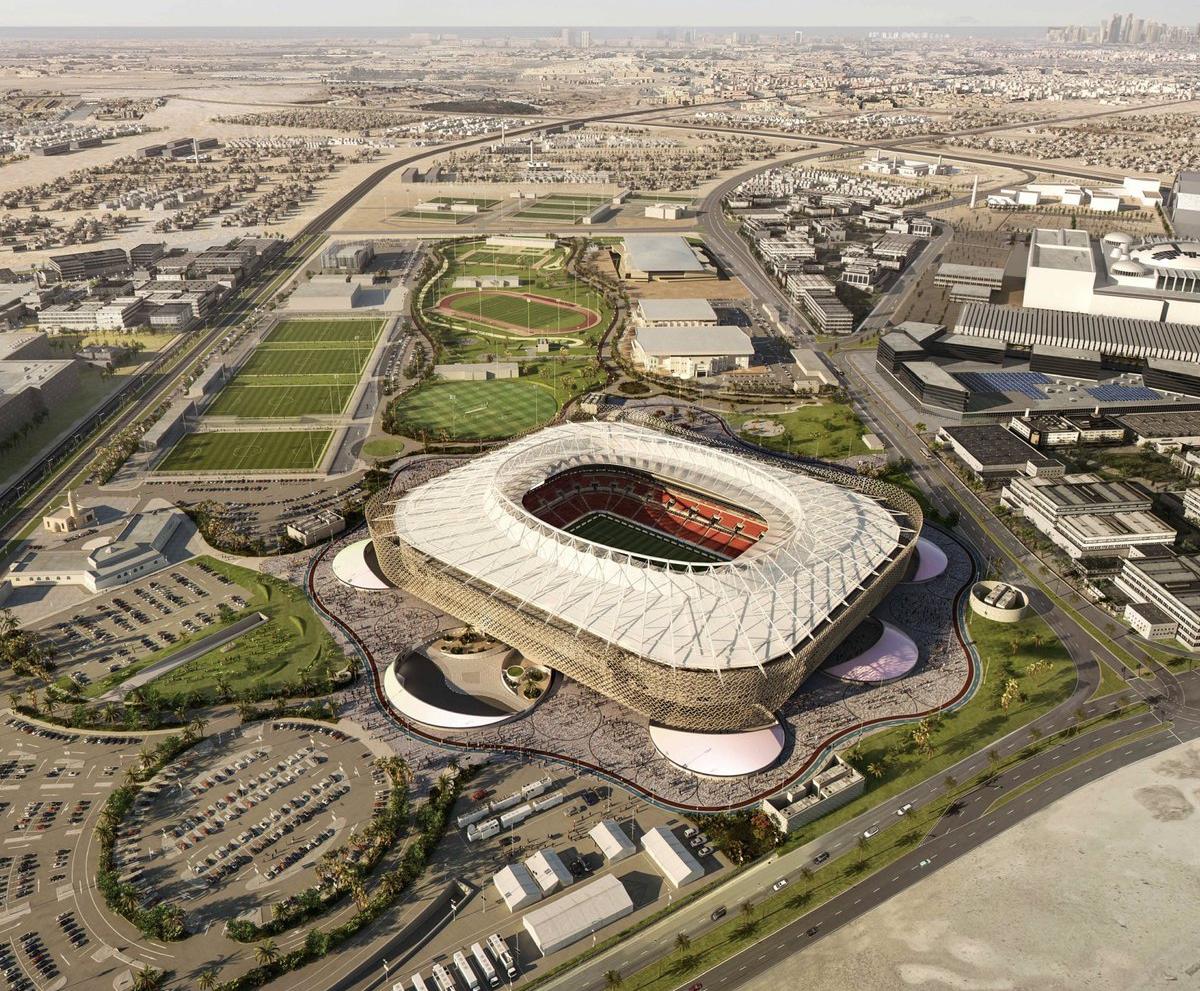
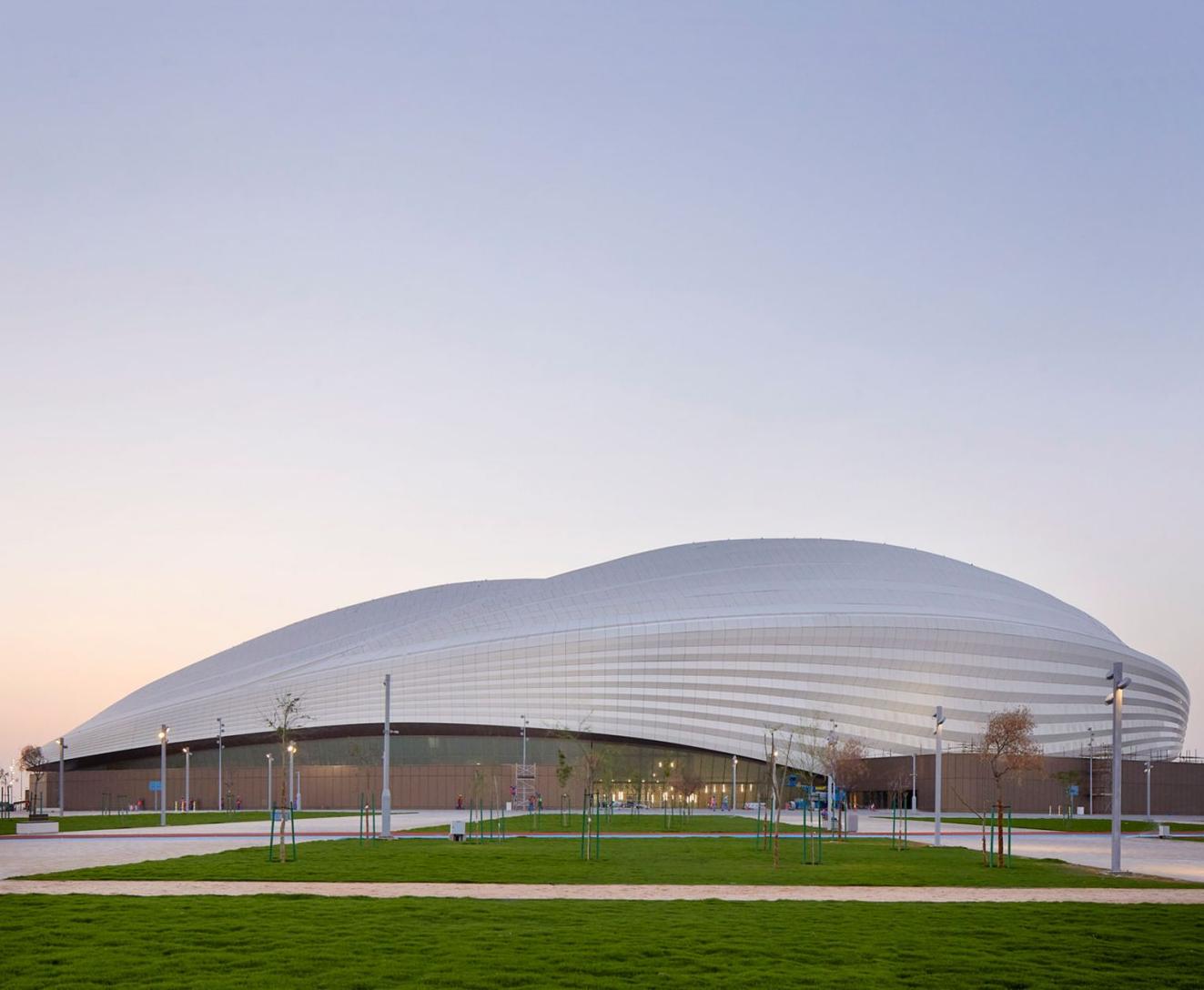
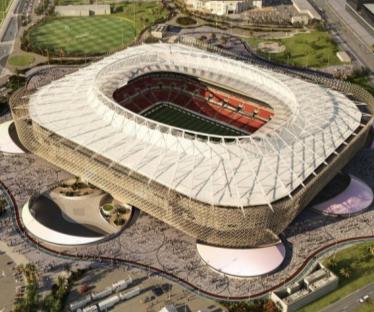
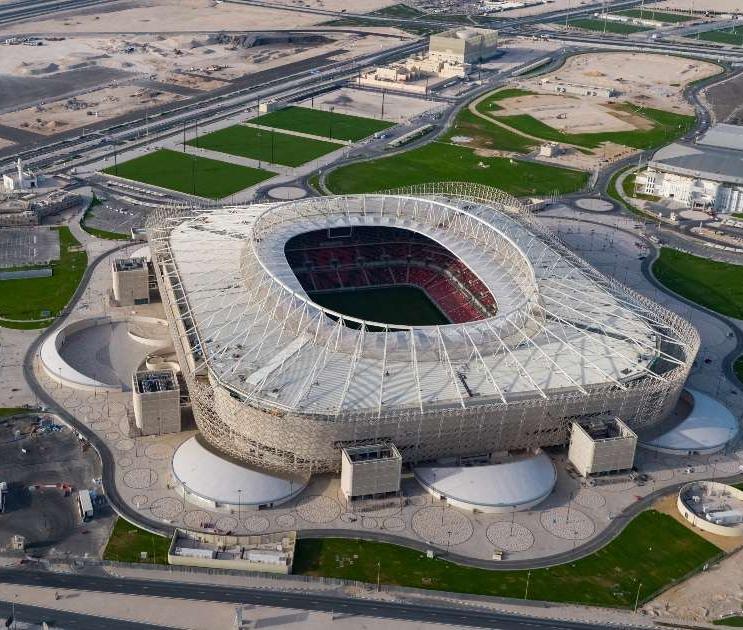
3rd Party review | Site inspections Partner STEEL CONTRACTOR JINGGONG INTERNATIONAL The concept delivered by AECOM, Ramboll and Pattern Design combines a simple, nearly rectangular bowl with exciting outer cladding which adds dynamism to the building. Utilising traditional Arabic patterns, the outer webbing allows sunlight access to the infrastructure within the stadium. Sun will also play important role in sustainable use of the stadium thanks to photovoltaic panels. Aside of the main stadium, numerous secondary sporting and leisure facilities will be created as part of one of Doha’s major sport precincts. parts: 3rd Party review of the documents and reports concerning the stabilization works for Al Rayyan stadium; Site inspections during the stabilization works execution and installation of the main steel structure of the stadium roof.
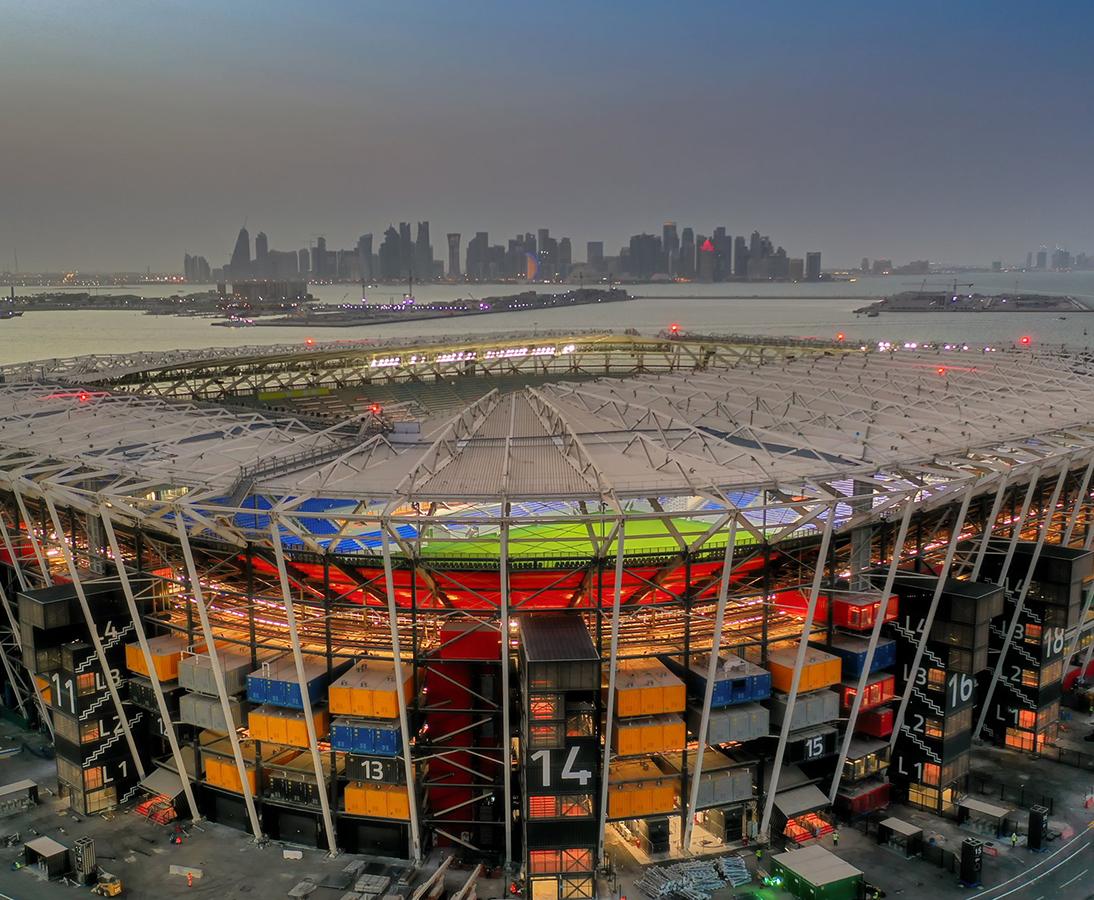
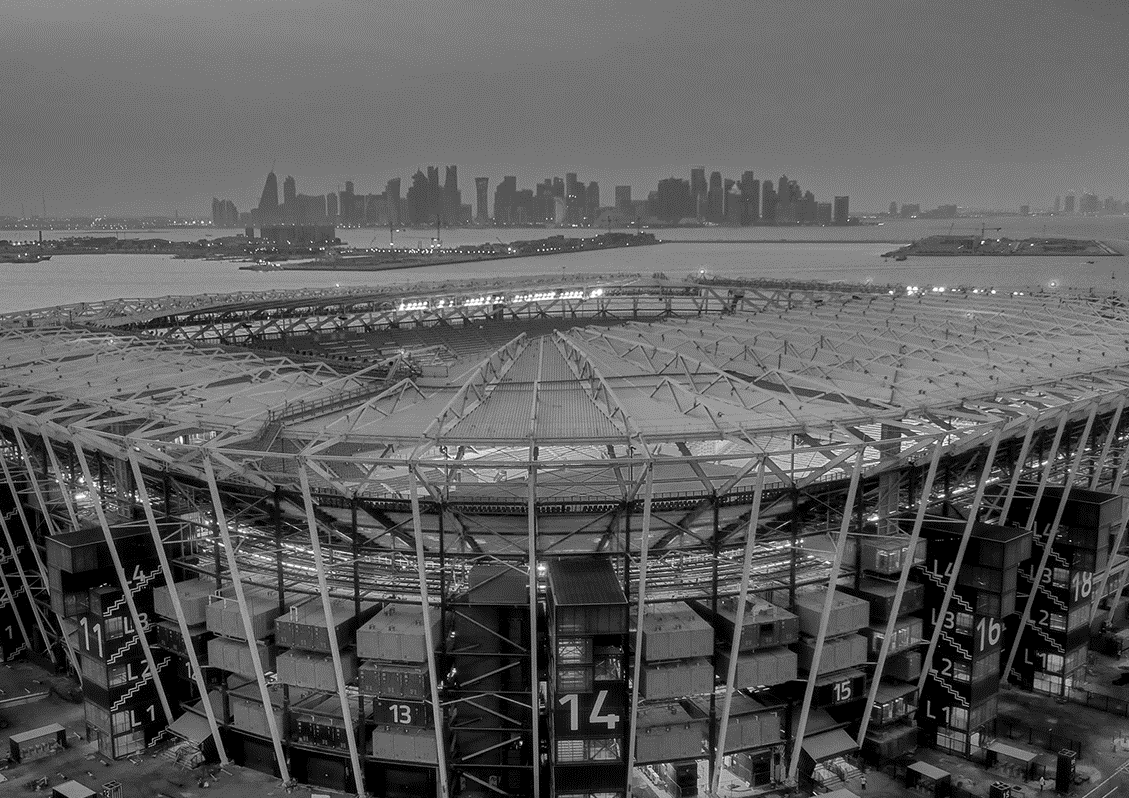
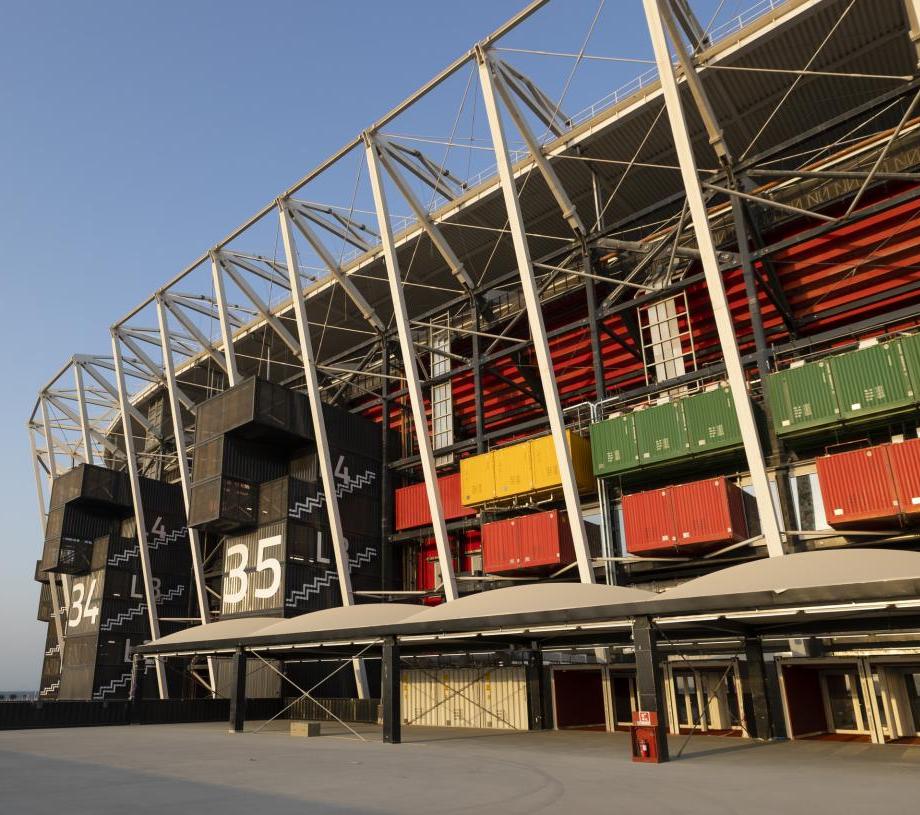
Erection Engineering Constructed using shipping containers, removable seats and other modular "building blocks", not only will this innovative, 40,000-seat venue have a remarkable design, but it will be entirely dismantled and repurposed after the FIFA World Cup Qatar 2022. Its parts will be used in other sporting or non-sporting projects, setting a new standard in sustainability and introducing bold new ideas in tournament legacy planning. during the erection phases.
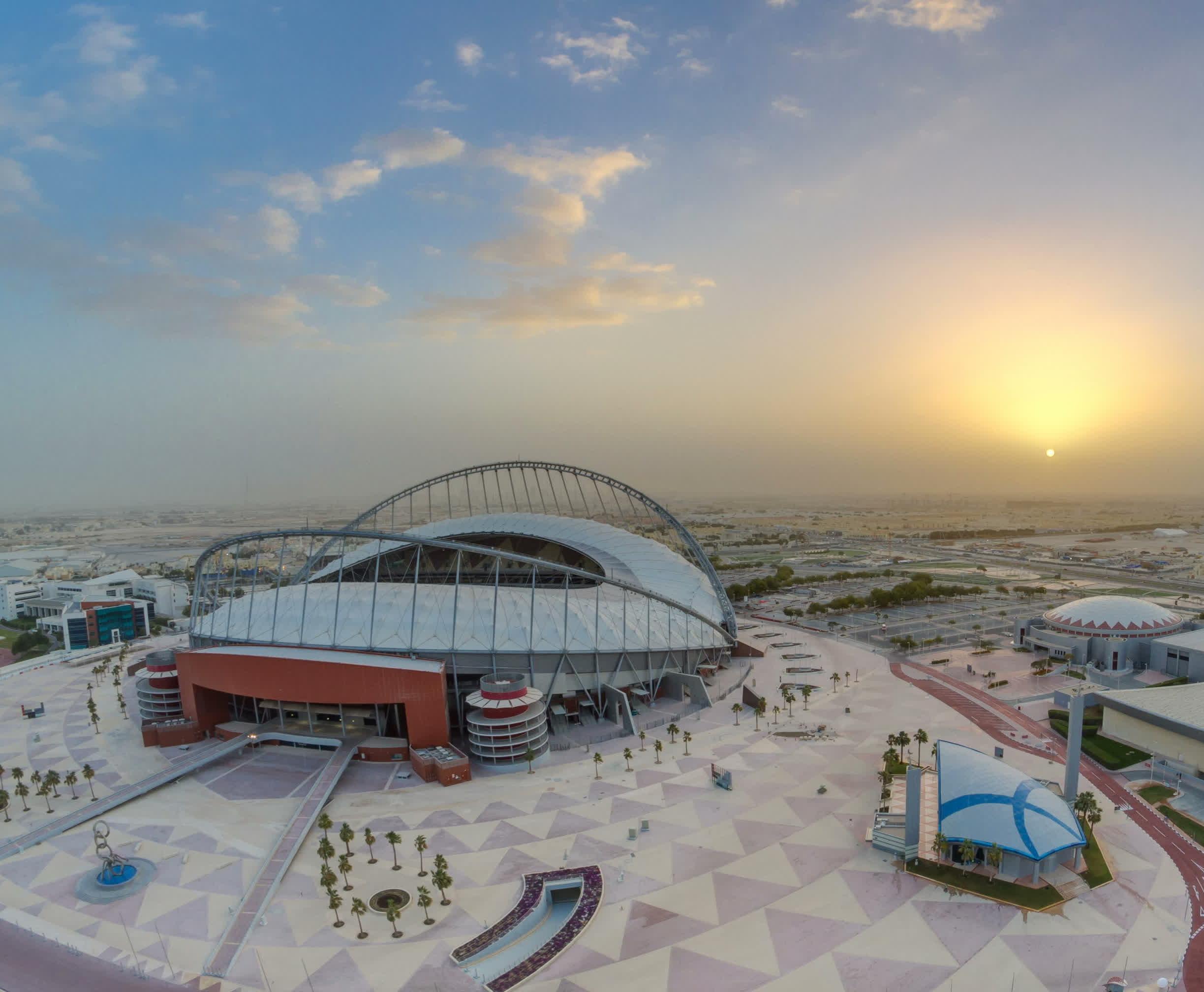
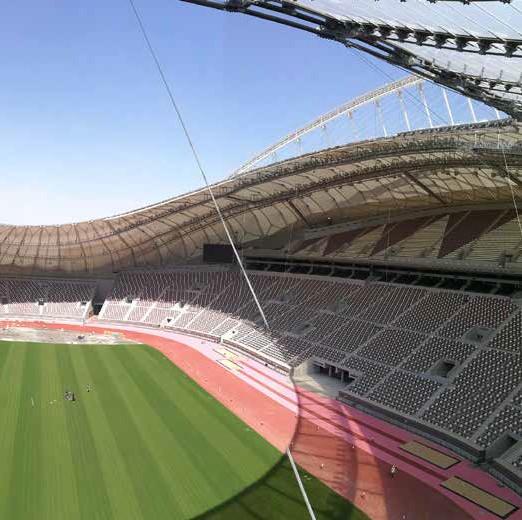
Tensile Structures | Special Structures | ETFE Technology tension structures membranes resulted design of the Khalifa International Stadium roof. This key project in is a multipurpose stadium built specifically for Soccer World Cup 2022. Maffeisparticipatedin three different stages of the project. first design stage developed conjunction started second stage supporting General Contractor, MIDMAC-Six Construct design stadium, including construction staging. existing stadium dismantled the new ring beam supported roof was designed (IFC stage) to cover the bleachers. single “half-moon” portion added cable during phase improve natural growth soccer turf. third stage, provided entire construction process, design, fabrication, survey checking construction sequence structure. required daily coordination team: contractors, Eversendai (steel), Pfeifer (cables) and Taiyo Middle East (membrane & drainagesystem).
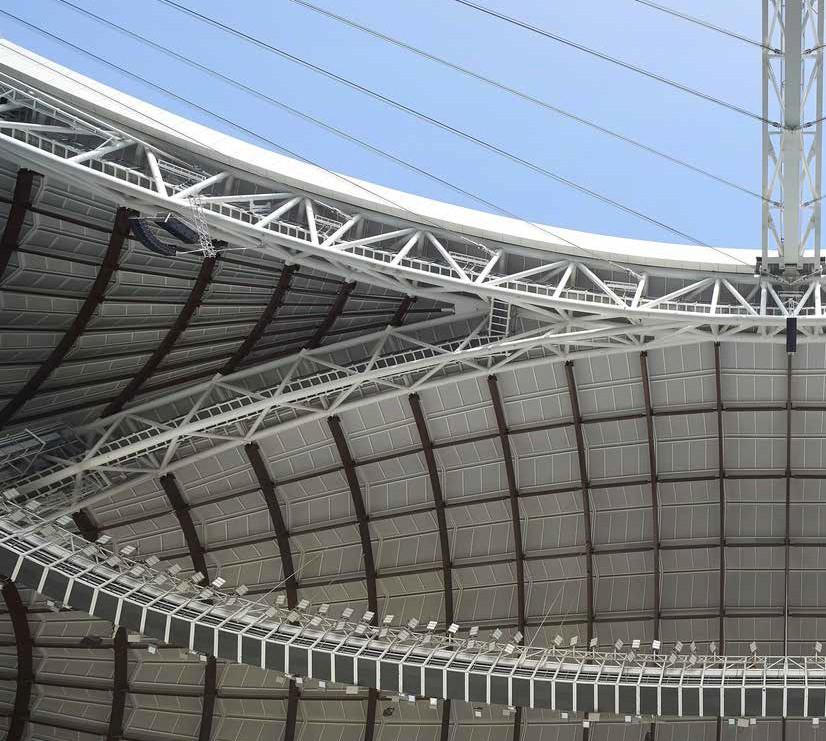
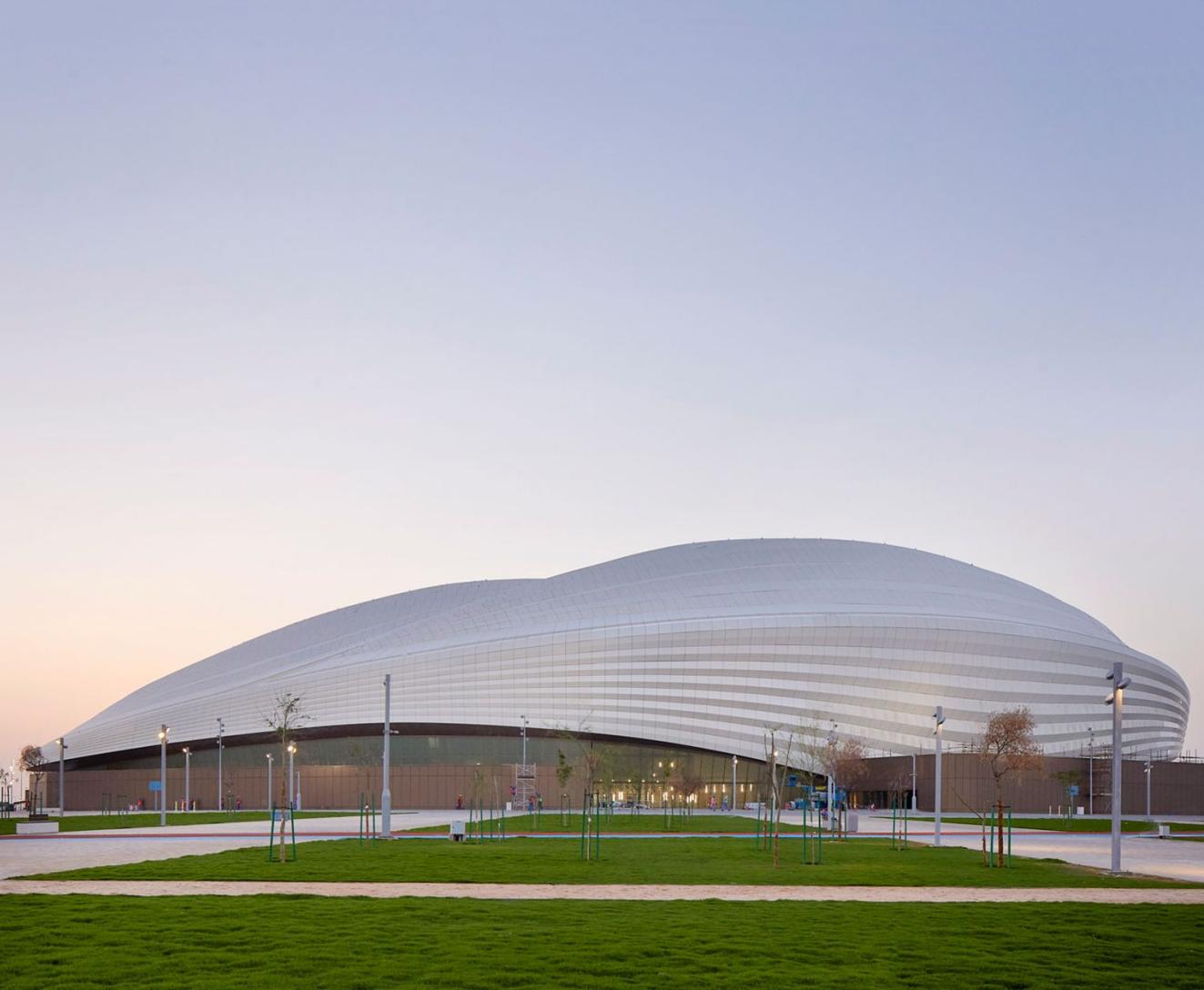
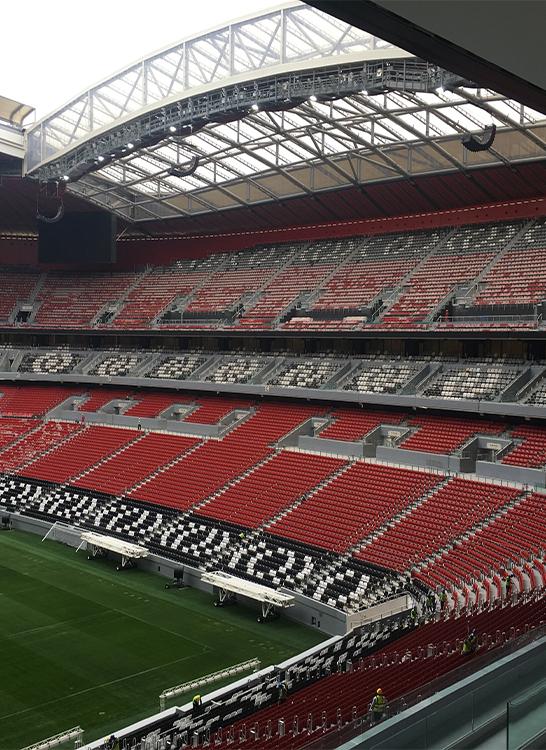
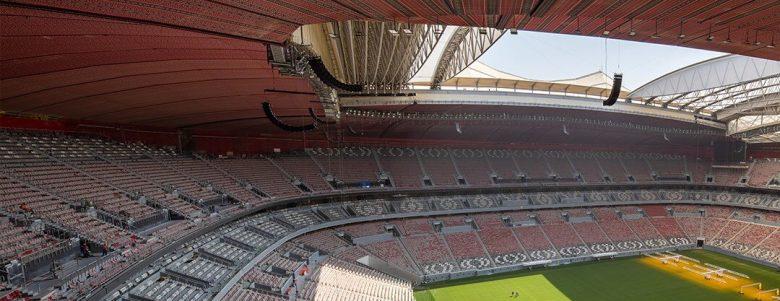
Special Structures | Façade Engineering| CivilWorks The stadium is an iconic building representing the amazing quality that Qatar is ensuring for 2022 FIFA World Cup. The boldly futuristic shape of the 40.000-capacity arena mirrors the innovative, ambitious spirit of Qatar. The roof structure consists of 4 main arches of 180m length confined by an outer ring truss. The unique retractable roof provides shading to spectators before matches while enabling a proper bowl precooling. stadium and precinct from the concept design to the construction drawings. Through the coordination with an international design team, the full design has been performed in 18 months. The scope has been extended to all structural components of the stadium including the concrete bowl, dismountable steel structures for upper tiers, the steel and retractable roof, the rationalization of the roof cladding and the interaction with the main structures over the precinct ancillary buildings.
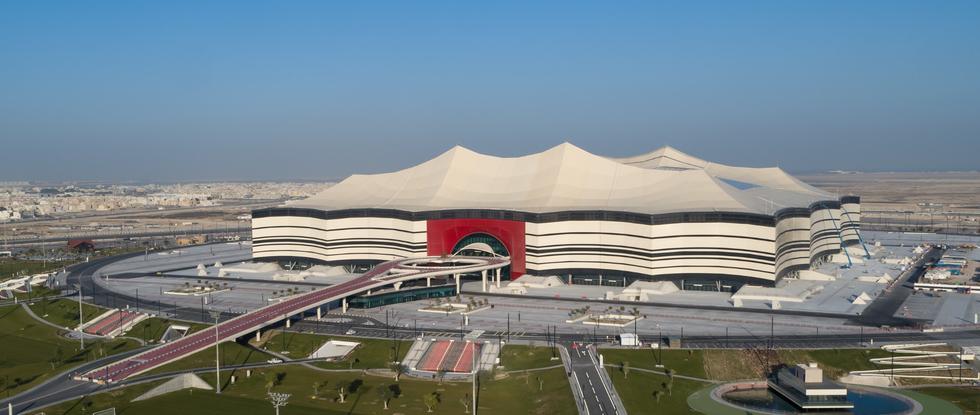
Maffeis provided engineering design to complete the Concept, Preliminary and Tender designs for the first design stage (2013) providing structures of the stadium which included the steel façade, steel cable stayed roof and membrane roof cladding. After this stage another VE design stage has been run from other companies. The unique shape of the stadium, that recalls the traditional shape of the beduin desert tent has been maintained from Maffeis + Dar Architects design stage. The central roof has been developed as a retractable foldable structure, cladded with membrane with a span of ~100 m.
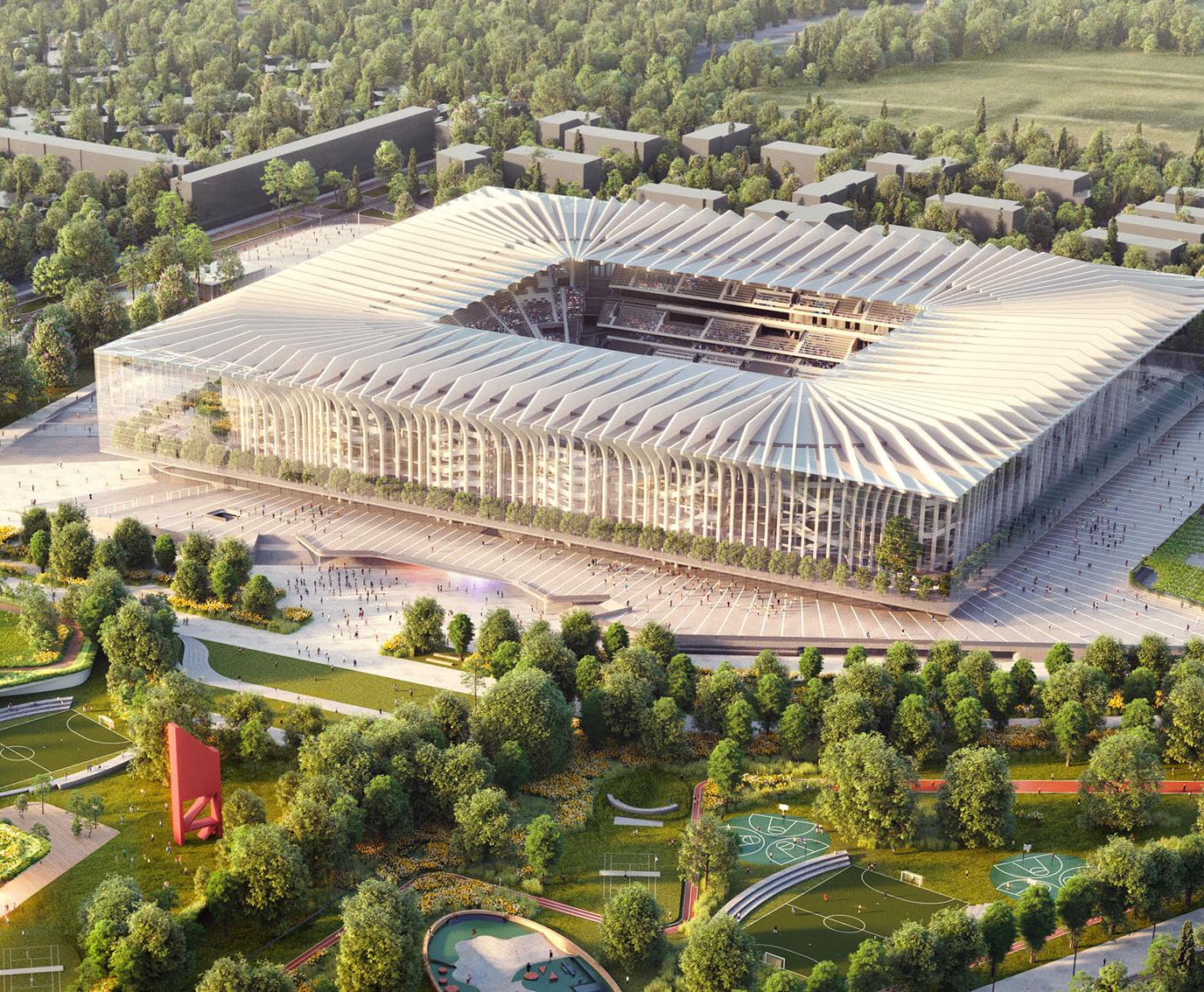
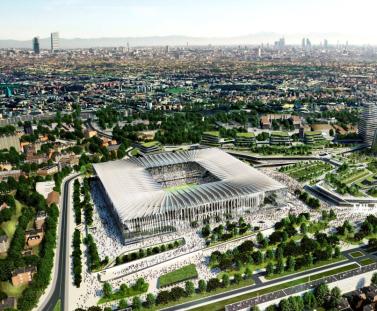
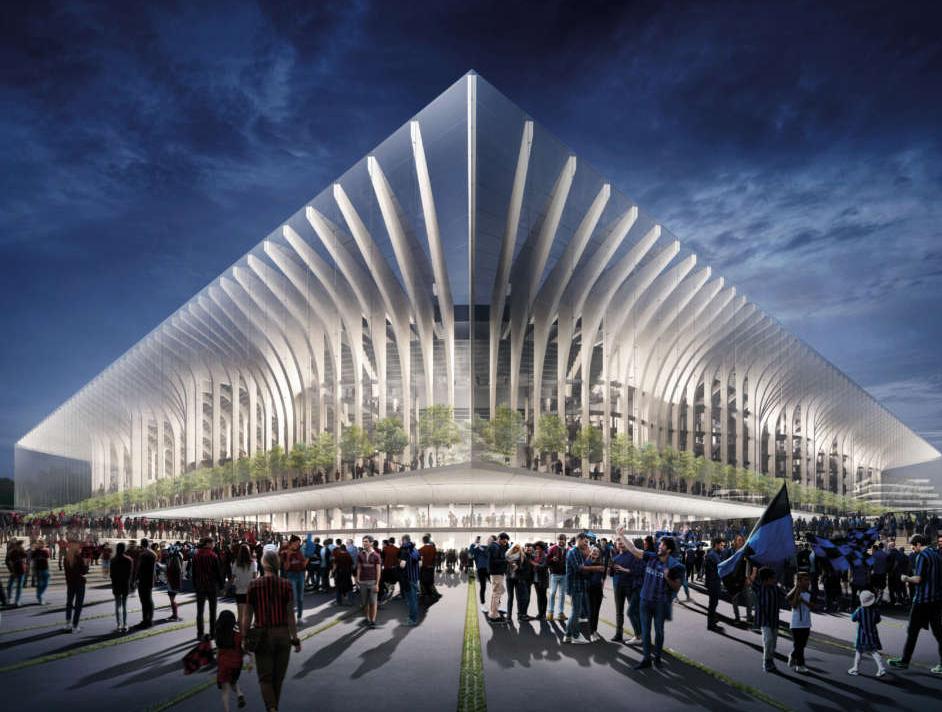
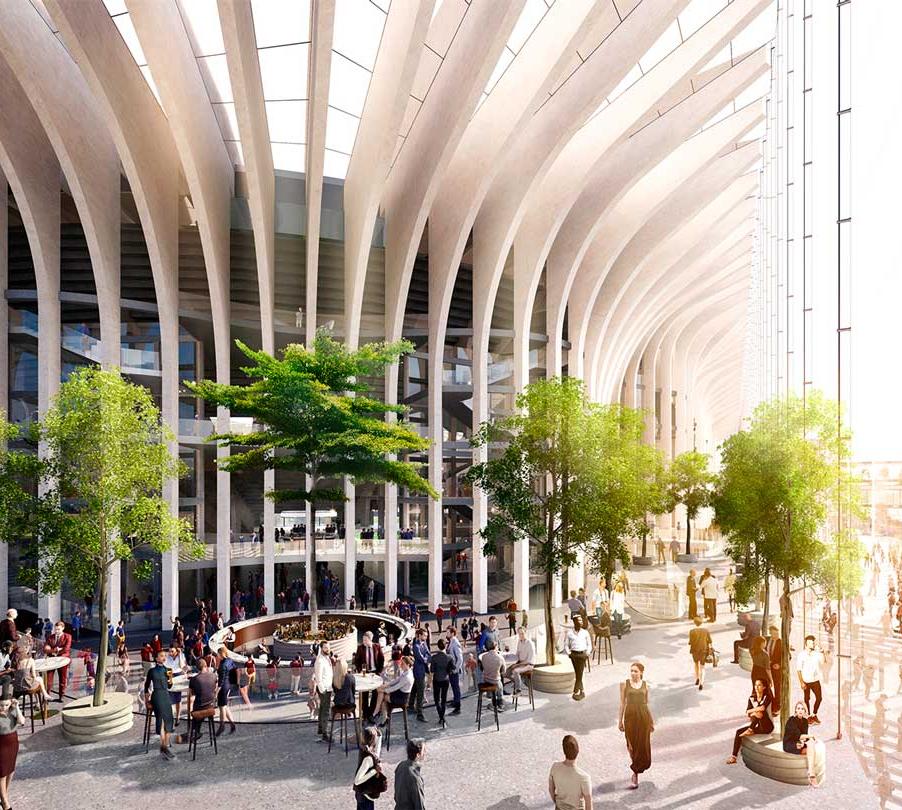
New San Siro Stadium Place Special Structures | Façade Engineering | Civil Works The Populous Team dedicated to this project is composed of the Populous studio in Milan, directed by the architect Alessandro Zoppini specialized in sports facilities, and by the engineering companies Tekne Populous’ design, known as ‘The Cathedral’, will create a global icon for Milano that is true to its people and honours its heritage. It draws inspiration from two of Milano’s most iconic buildings: the Duomo and the Galleria, creating a stadium that could not be found in any other city or mistaken for any other stadium in the world. It will be a stadium that sets new standards for fan experience, stadium atmosphere and community engagement. The stadium’s bespoke seating bowl will be the most intimate in Europe, bringing fans closer to the action than ever before and creating an unforgettable atmosphere with the best in acoustic design. A sunlit galleria encircles the stadium enveloped by an elegant glass façade, providing a democratic space for all supporters and the citizens of Milano to enjoy a wide-ranging offer of food and beverage outlets inspired by the world-renowned food culture of the city.
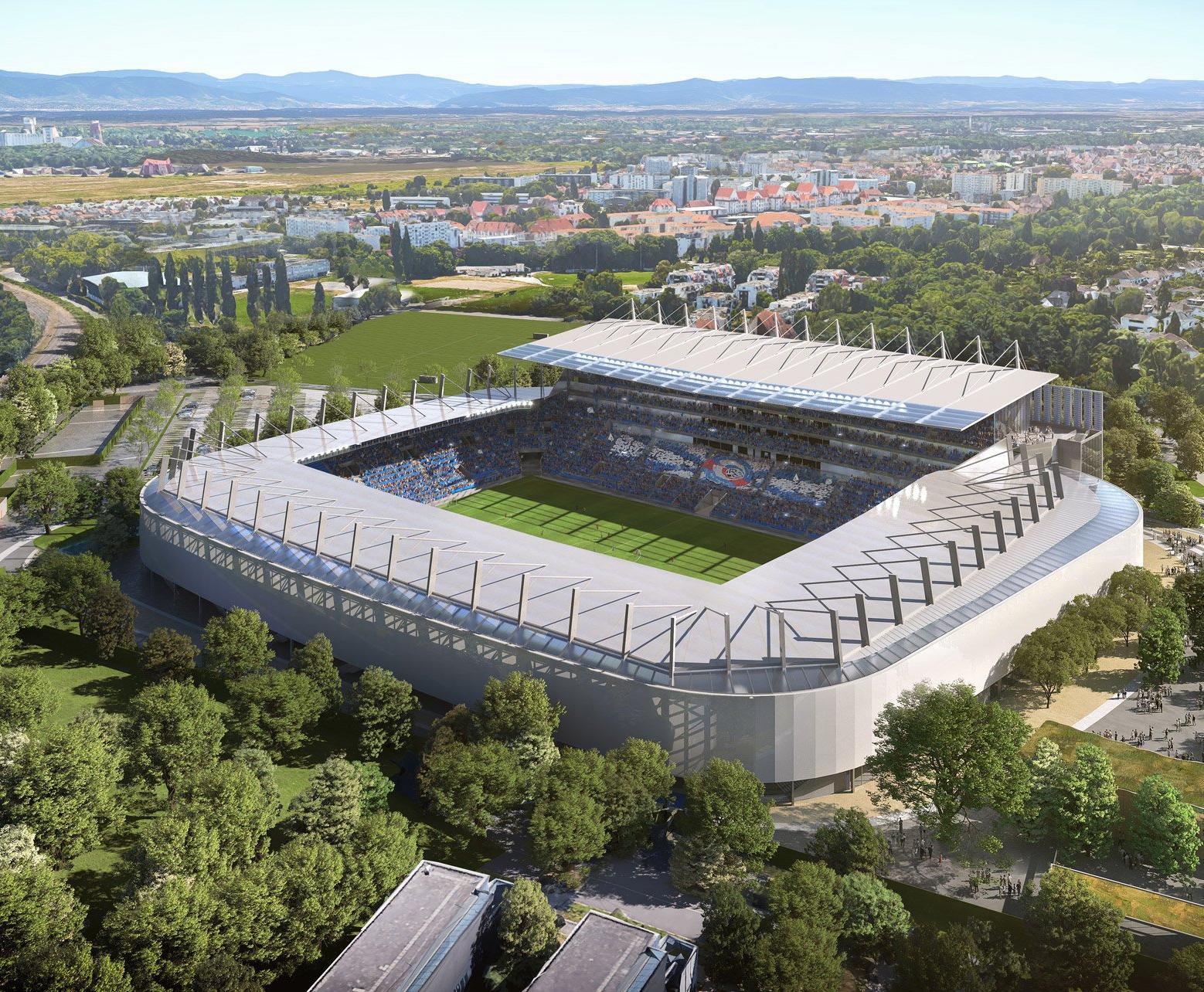
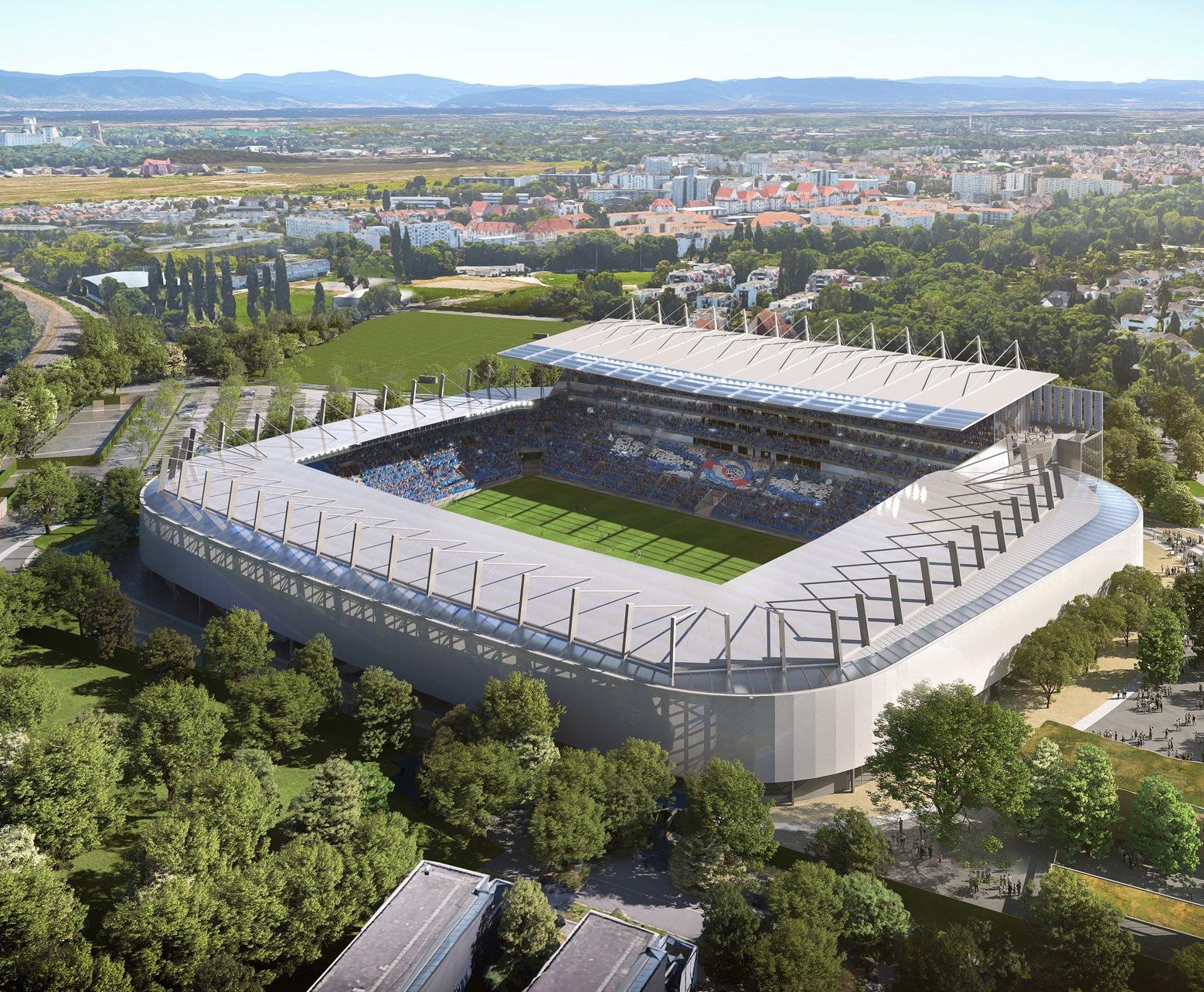
Façade Engineering FAÇADE ENGINEER renovation and extension of the stadium, led by architectural firm Populous. The design seeks to modernise the existing stadium, bringing it firmly into the 21st century and allowing it to meet all the necessary requirements for hosting major sporting events, such as the French Ligue 1 championship and UEFA Champion’s League games as well as international games. The scheme will increase the stadium’s capacity, create new fan spaces, and expand the South Stand – improving fan experience and opening significant new revenue streams to the Club.
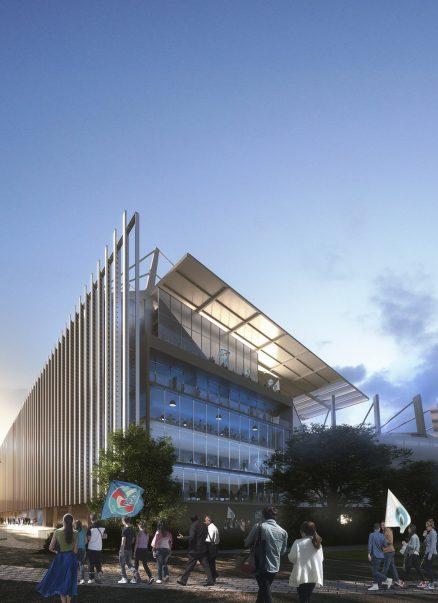
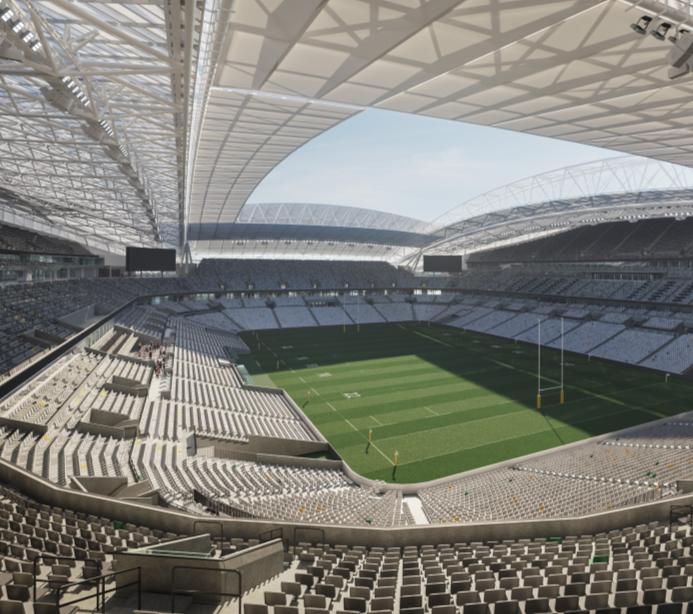
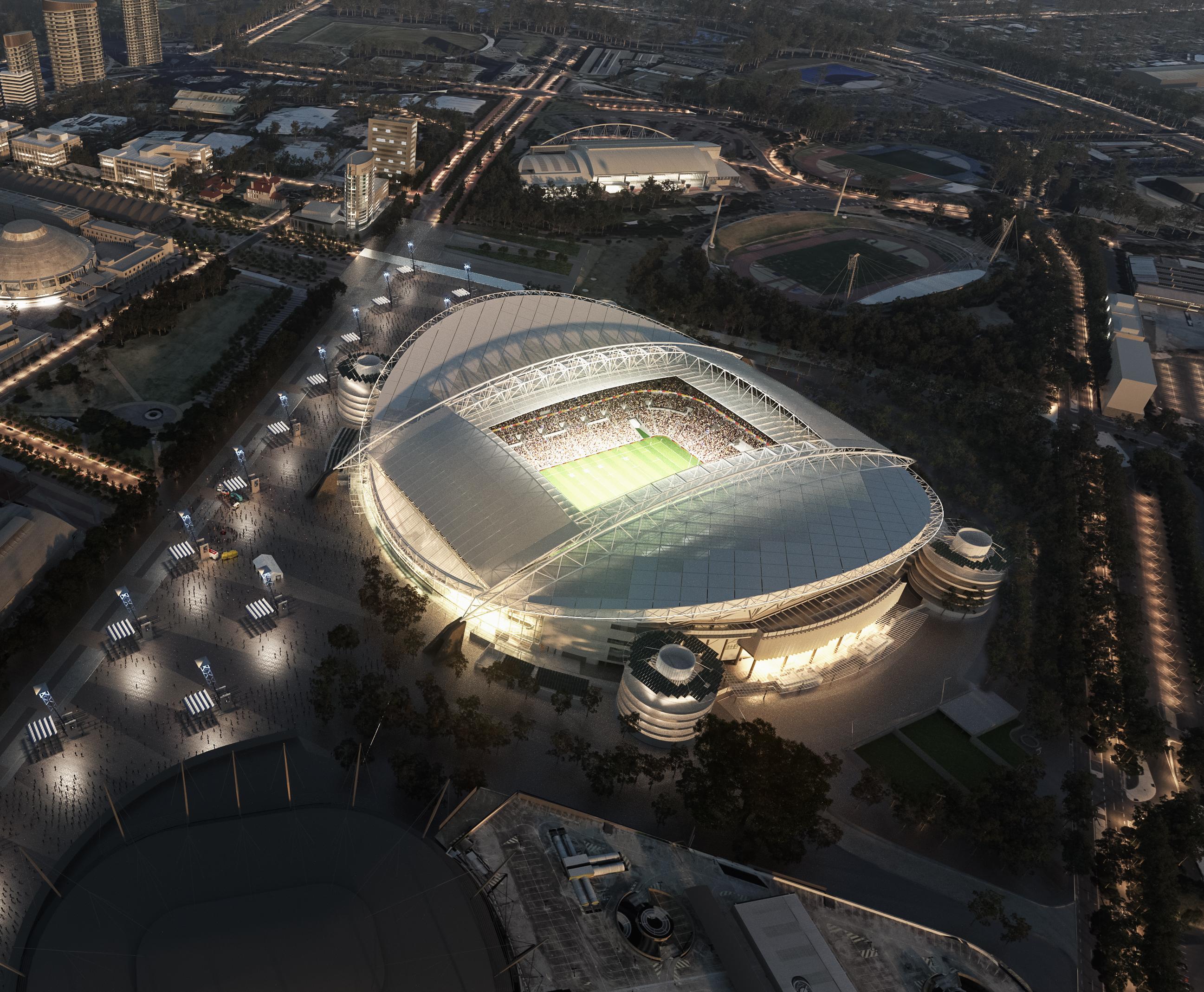
Special Structures | Civil Works | Tensile Structures One of Australia’s busiest sports and entertainment venues, ANZ Stadium is a powerful icon on the Sydney landscape. The Redevelopment of the existing Stadium designed by Populous will emphasize the field’s rectangular shape, bringing the 75.000 spectators closer to the game. design development stage of the whole building, while also developing its erection methodology through 4D analysis.
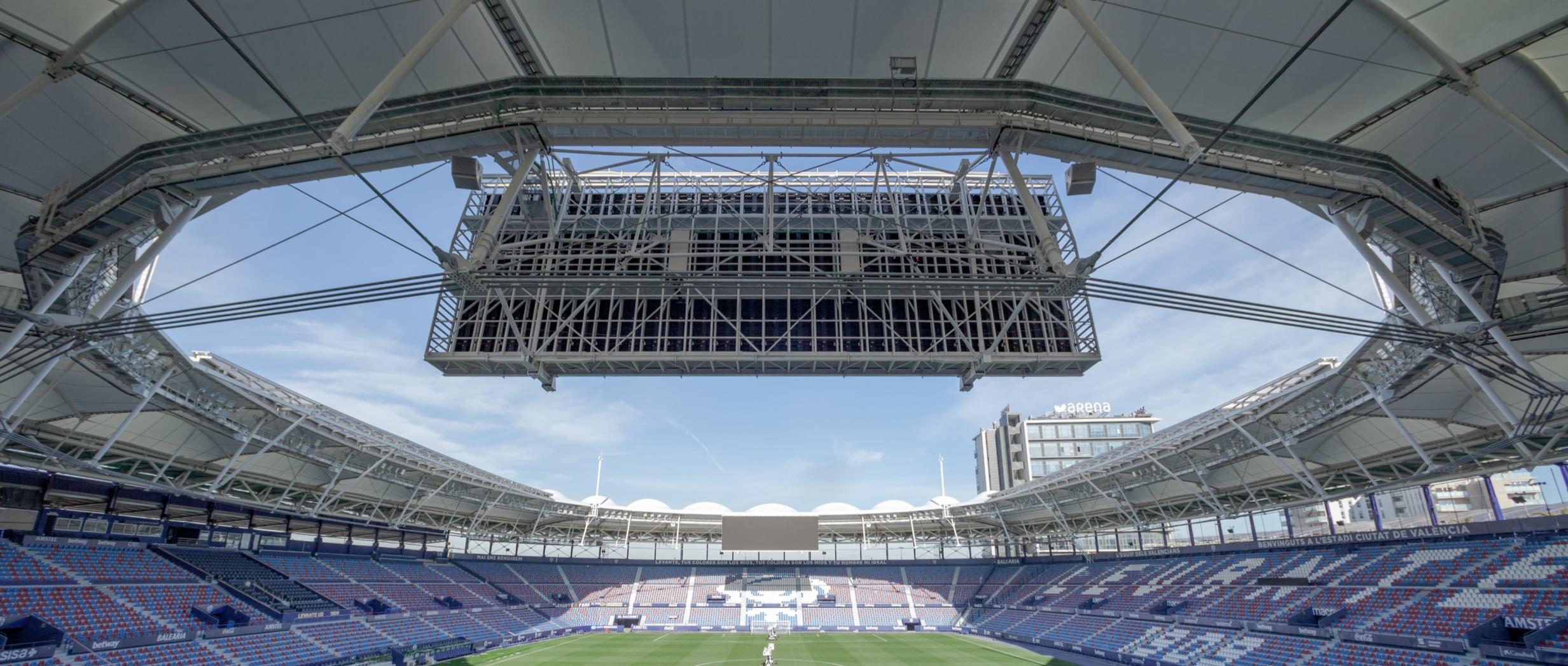
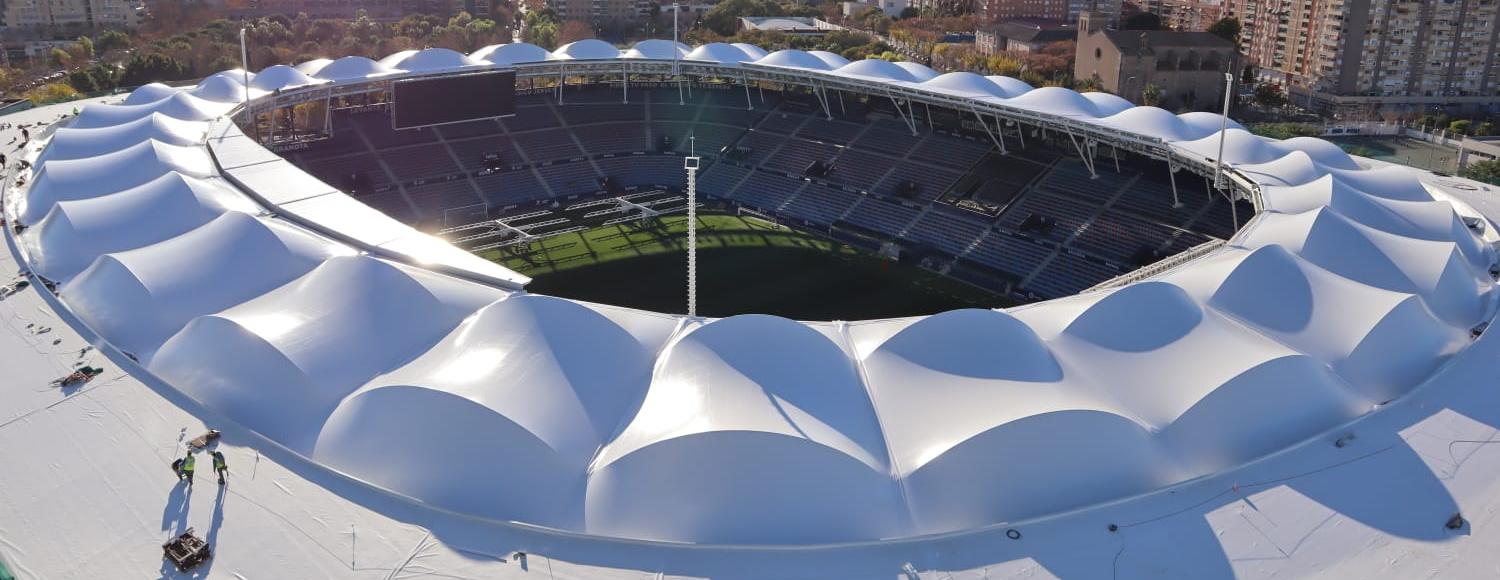
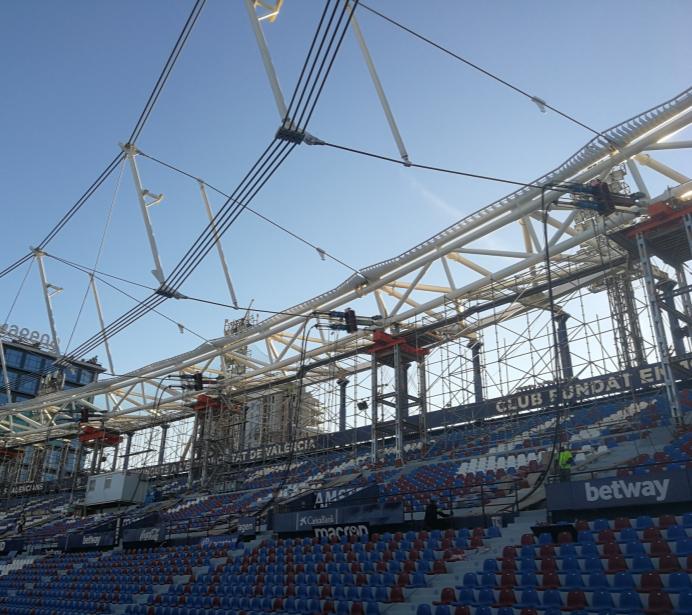
Tensile Structures The Ciudad de Valencia stadium, with a capacity of over 26.000 seats, is the home ground of Levante UD. The stadium has been retrofitted to fulfil the requirements of LaLiga and the standards from UEFA and FIFA. The new membrane roof is covering all the stands with 28 membrane panels supported in two arches and fixed in the cable net structure. The total covered surface is around 9.000 m the construction of the new stadium roof, including cables and canvas, in just six months..
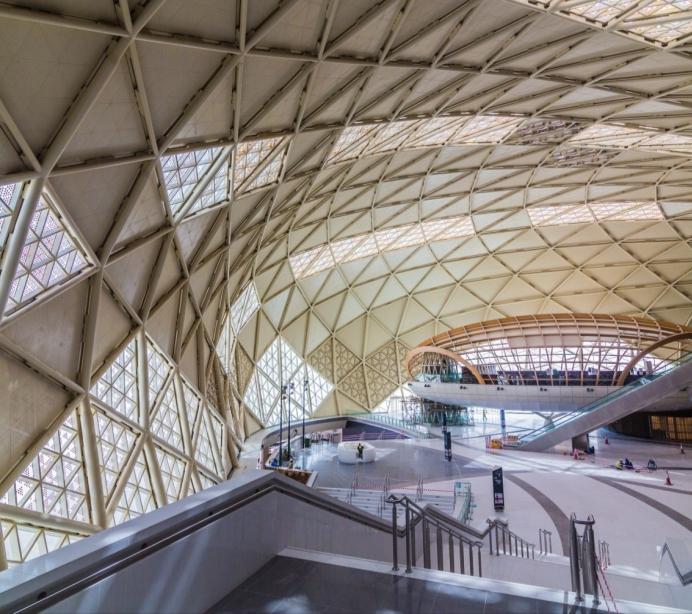
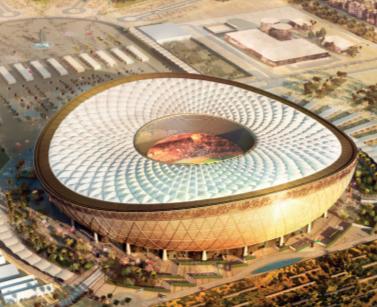
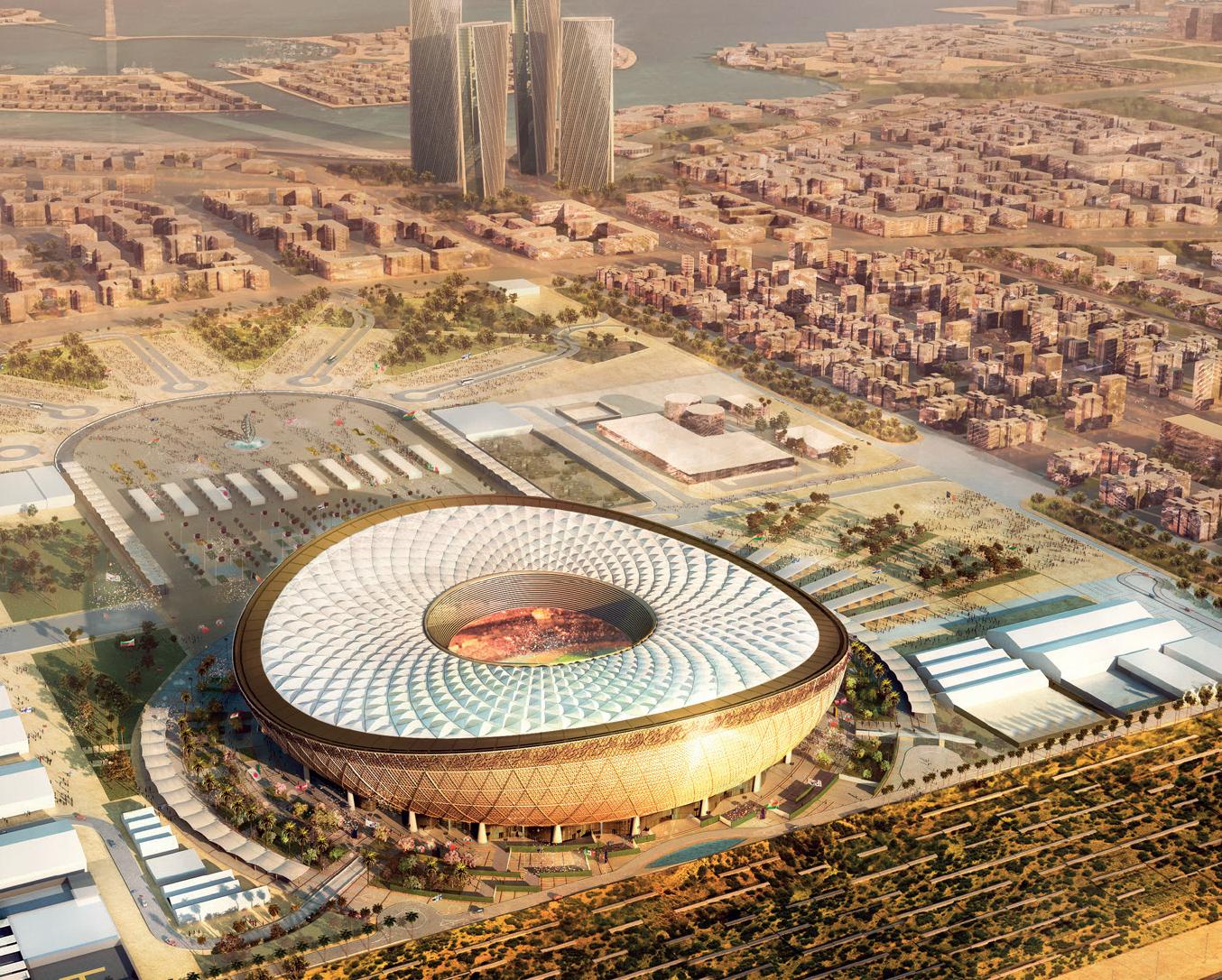
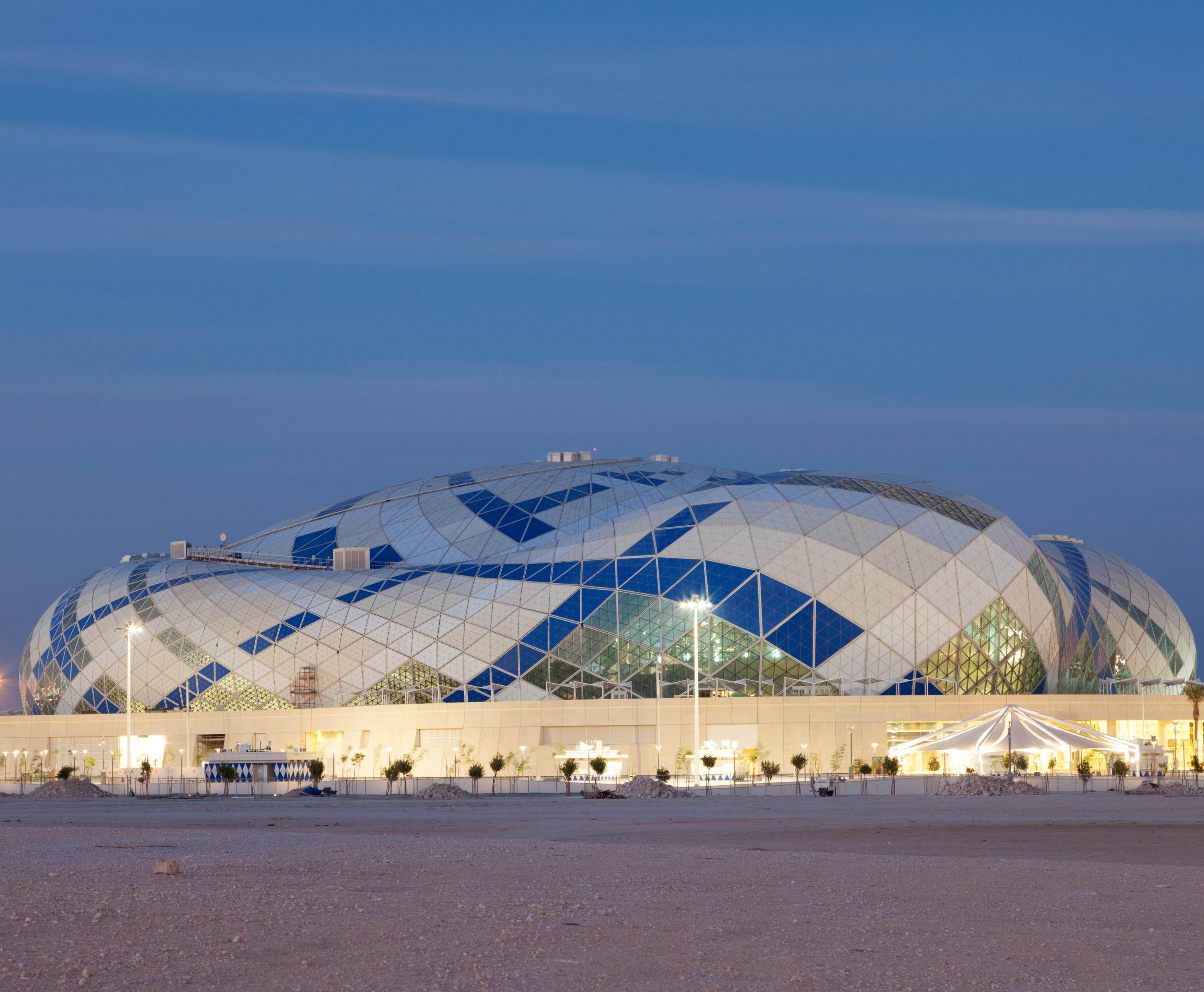
Façade Engineering | Civil Works The main form and façade of Lusail Sports Arena are inspired by Islamic cultural art, expressed through the use of color and geometry. The free- form shape has no internal supports and acts as a grid shell, providing an exciting interior and exterior whilst still maintaining an open dome in center, consisting Islamic surrounding concourse spaces is comprised of shell structures, rising in elevationtoindicatethekeyindoorspacesandentranceareas. At the higher levels of the grid shell, the panels are opaque. The glazing panels increase in size at the lower levels of the grid shell and become walls ground floor level. lights incorporated the joints of the panels to highlight the complex geometry of the facade during night, while photovoltaic collectors provide renewable energy as a significant part of the energy supply for thebuilding.
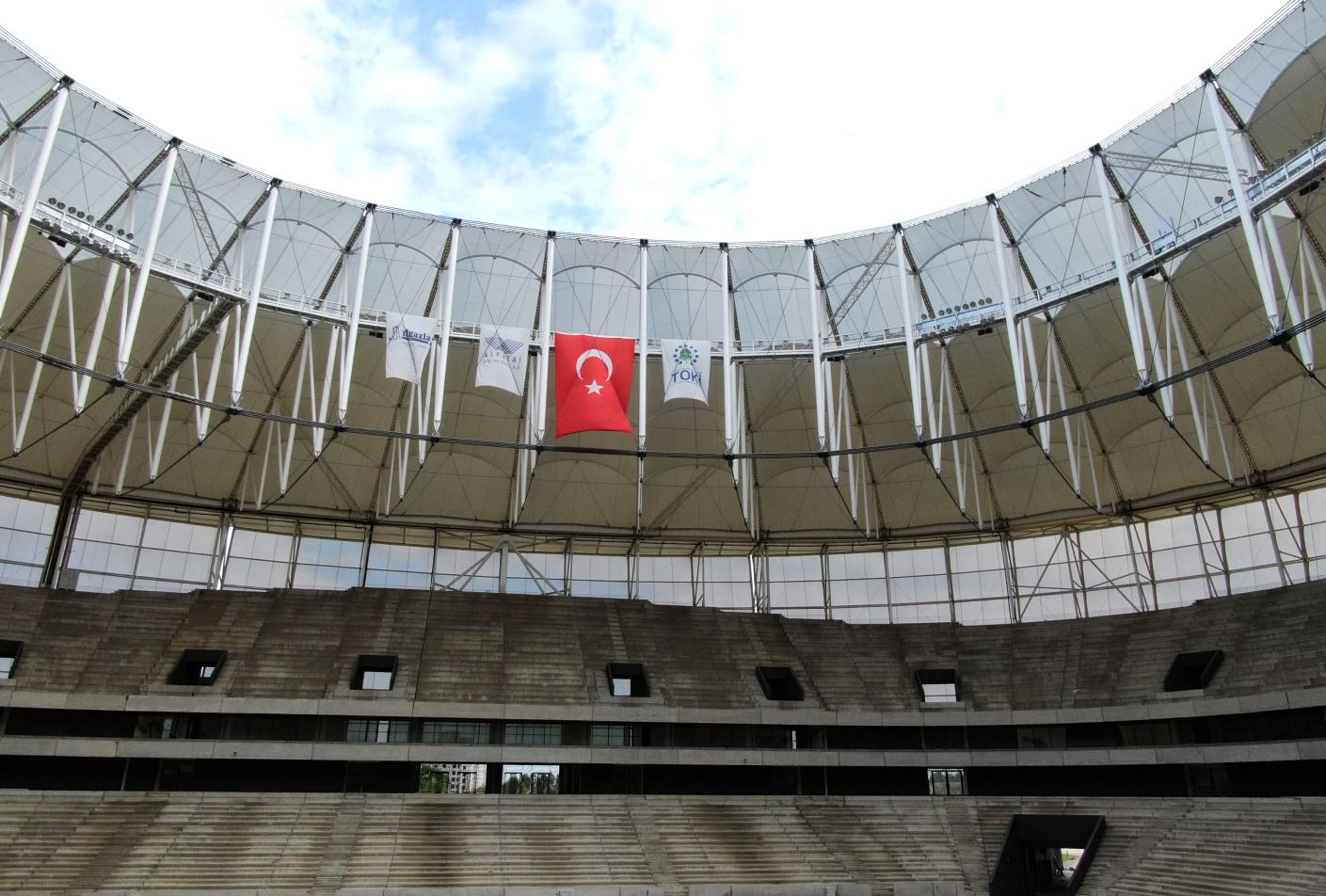
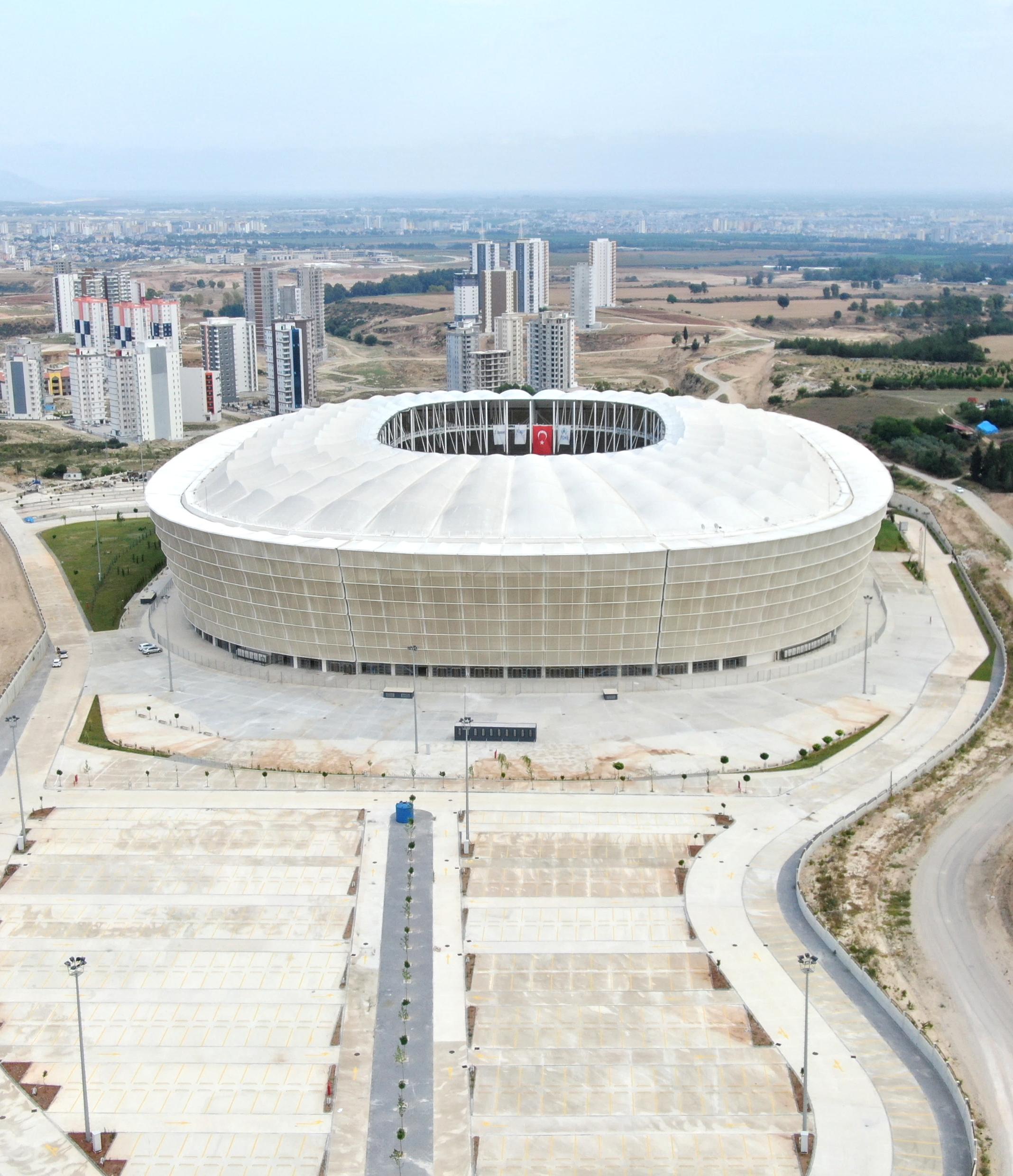
Special Structures | Tensile Structures the 40,000-seats-stadium’s roof, for a total surface of 25,000 m spoke wheel tension/compression ring, participated in the concept design stage with Value Engineering for steel cable solutions, after schematic design, technical design, production workshop documents third party check.
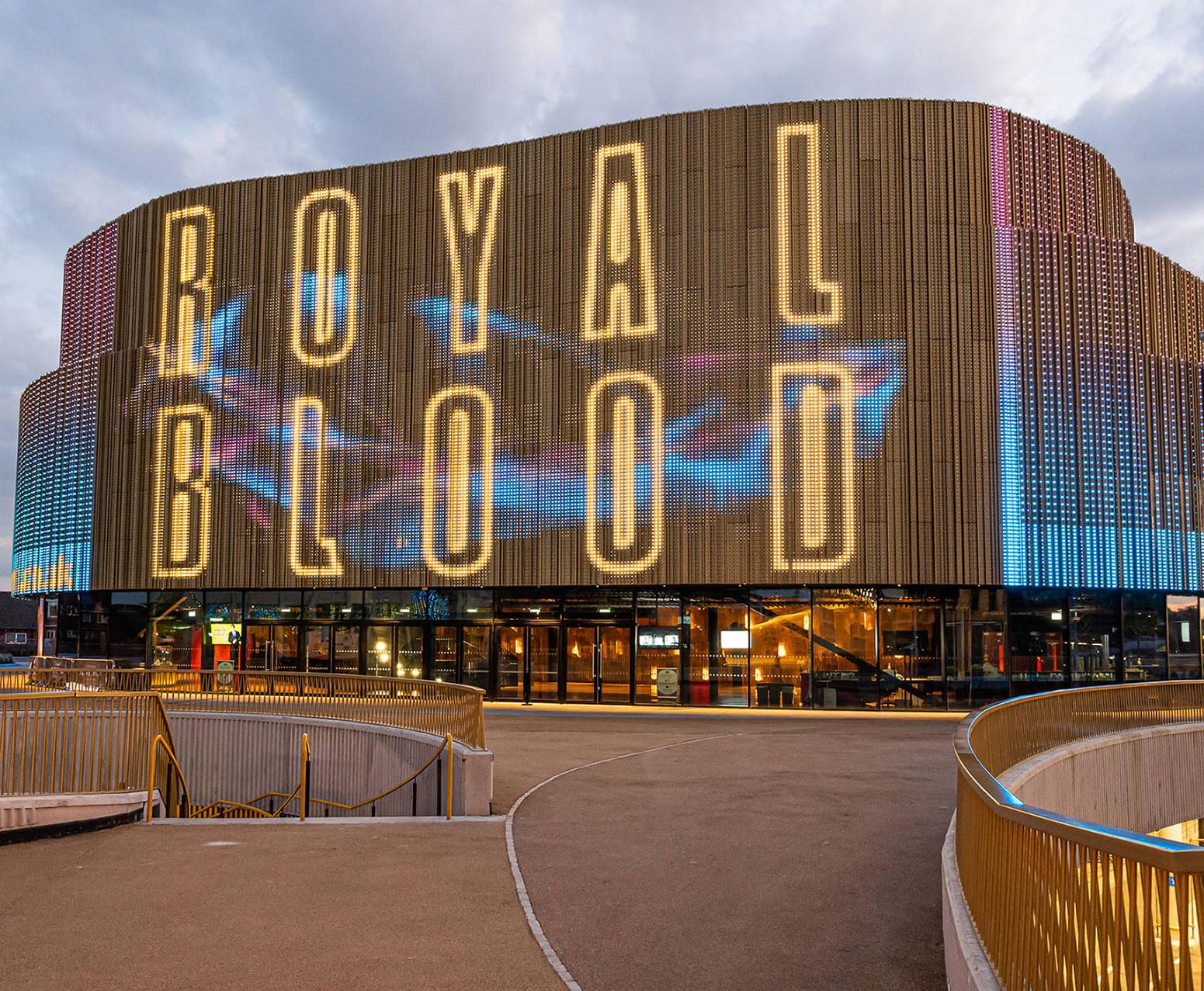
Façade Engineering |Consulting project Swansea Arena divided different lots. On one there Arena scope study and designa perforatercladding façade, following Riba Stage4. topics scope due to the shape and geometry of building, composed series continuous curves different radii always. perforated cladding sandwich panels, which are anchored themselves to the structure. A stick system façade bottom building, lower level, curtain wall systems were designedfor the shappingcentre. Theotherpartofthe lot,composedbya residentialpart,wasdeveloped Riba Stage 3 and actually is an on going project that will be developed Stage 4. There will be a ventilated terracotta external façade maior complexity design helping customers choose the correct finishes in a way to satisfay their aspectative and have a reduction ofcosts. incorporated carpark developed differents shading systems, wazith special technologies.
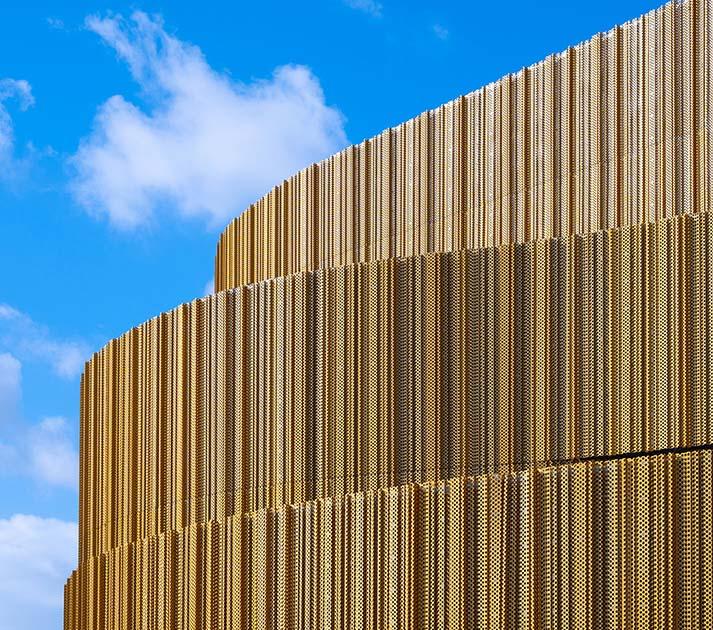
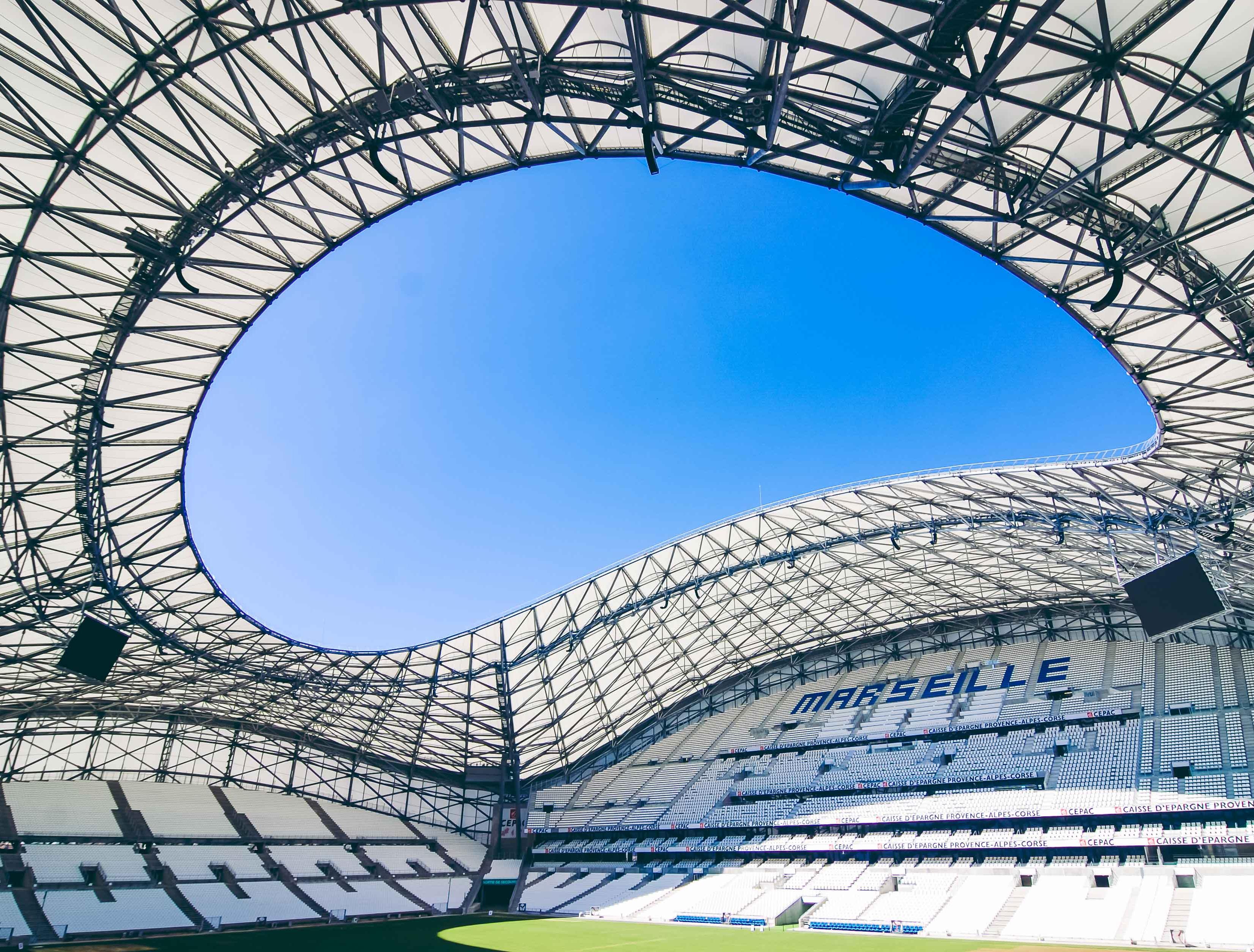
Special Structures | Tensile Structures scope begun supporting SCAU, developing concept façade covering structural point view, related membrane. Advanced stage design fiberglass façade, including all the secondary steel to support it, has been carried out from the concept to the construction stage for TaiyoEurope. Photo credit by: Taiyo Europe Photo credit by: Taiyo Europe
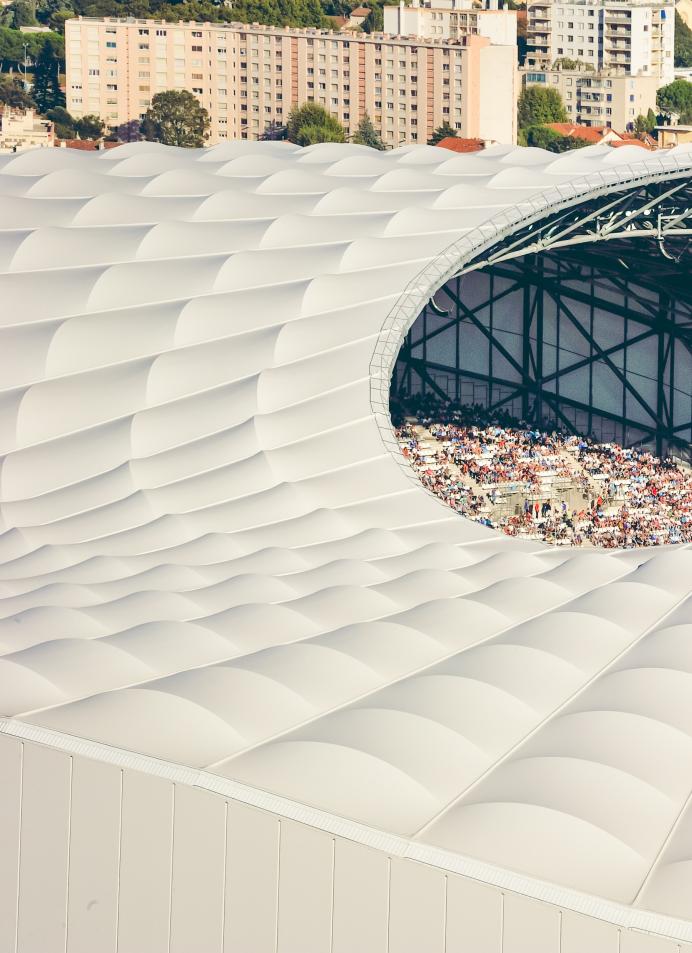
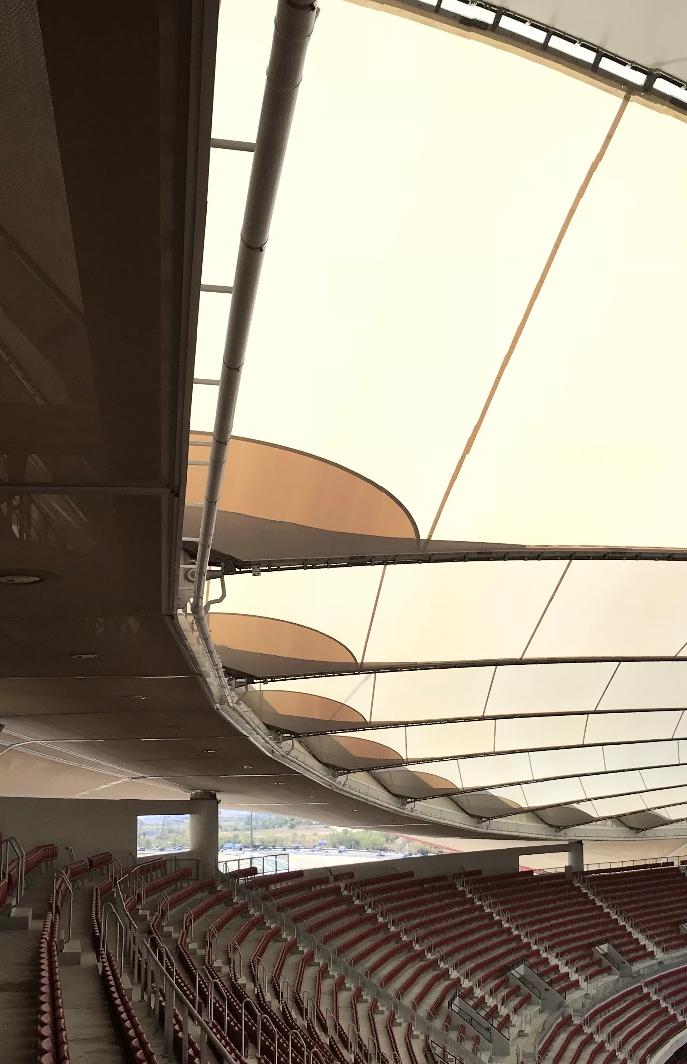
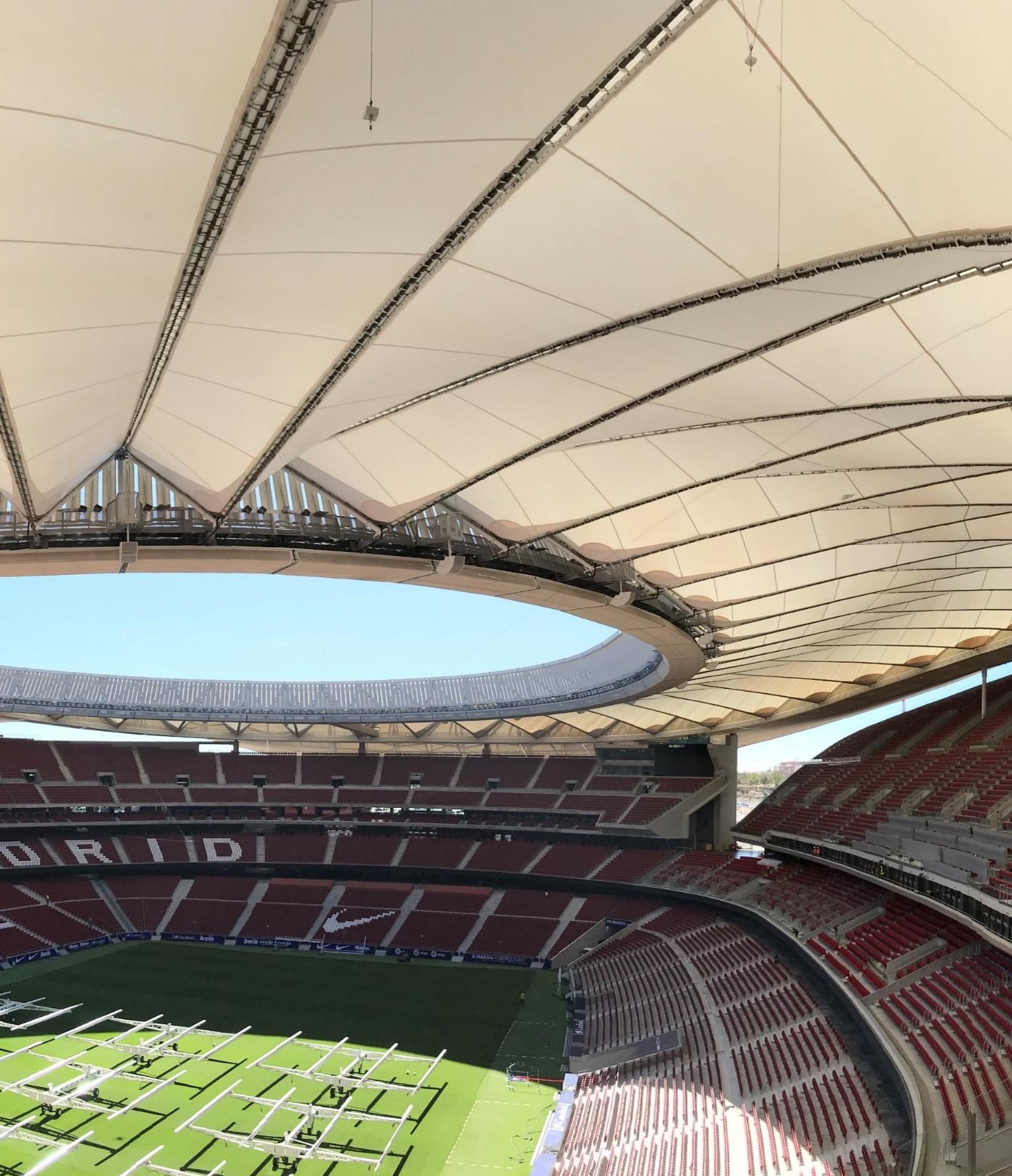
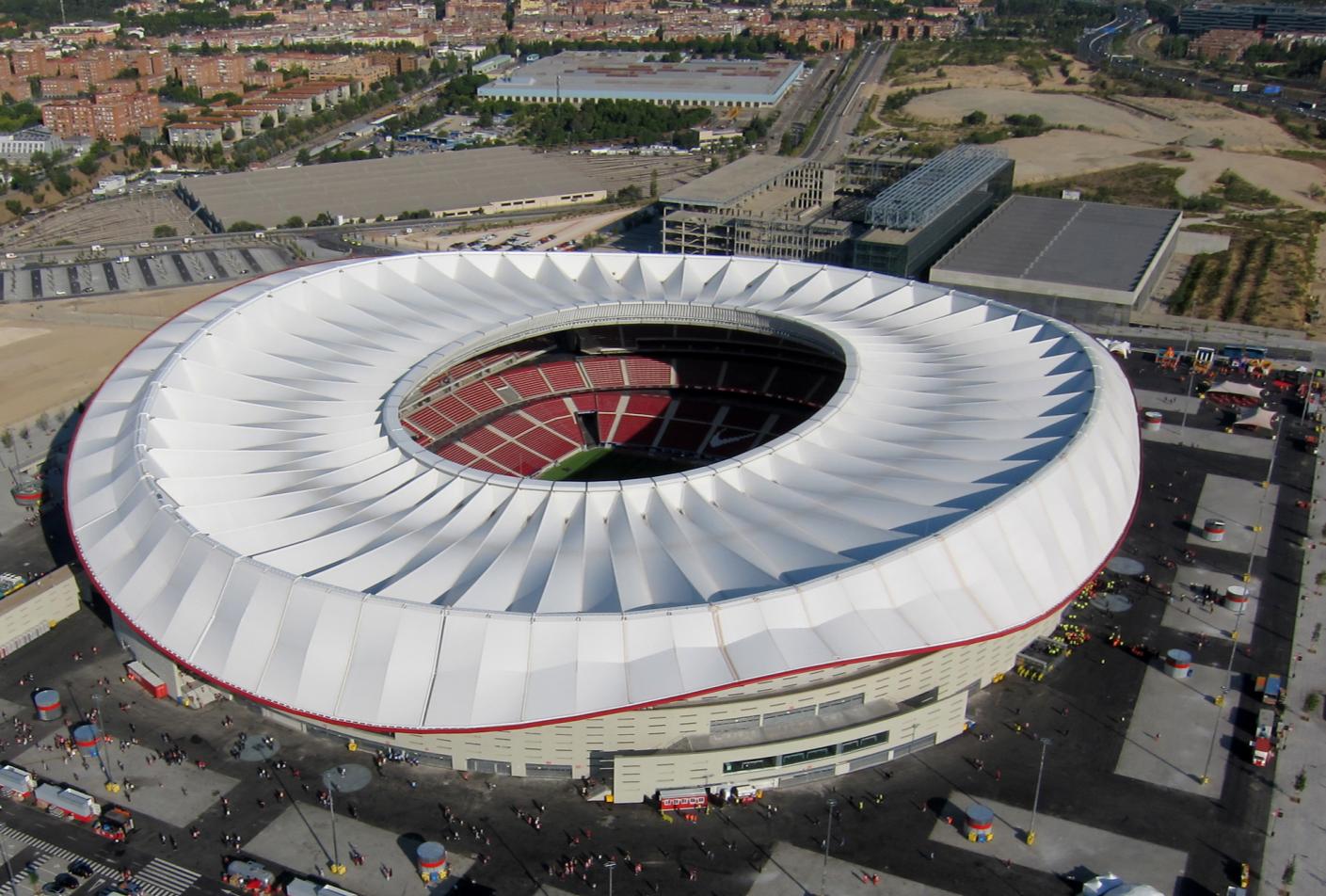
Tensile Structures Taiyo Europe appointed design construction documents cable refurbishment of the new Wanda Metropolitano Stadium in Madrid: the designwas made by Spanish architectsCruz y Ortiz. Maffeis used its extensive stadium covering and façade design to develop the final detailing of the fabric and cable connectors, Shop and installationdrawings. design consisted panels, cladding, outer canopy louvers (80.000 supported steel framework. panels designed mimic large cloak unifying existing stadium. Photo credit by: Taiyo Europe
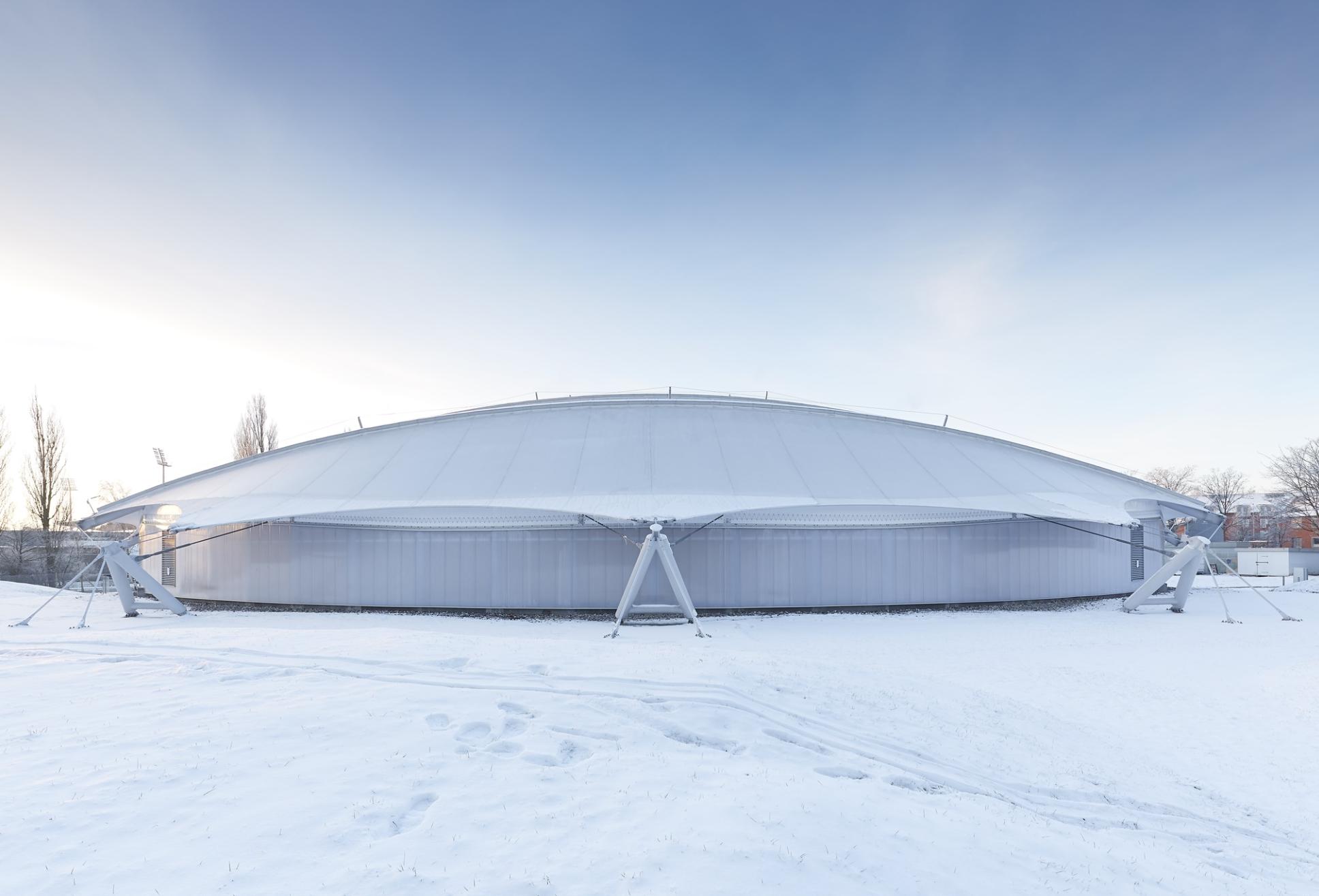
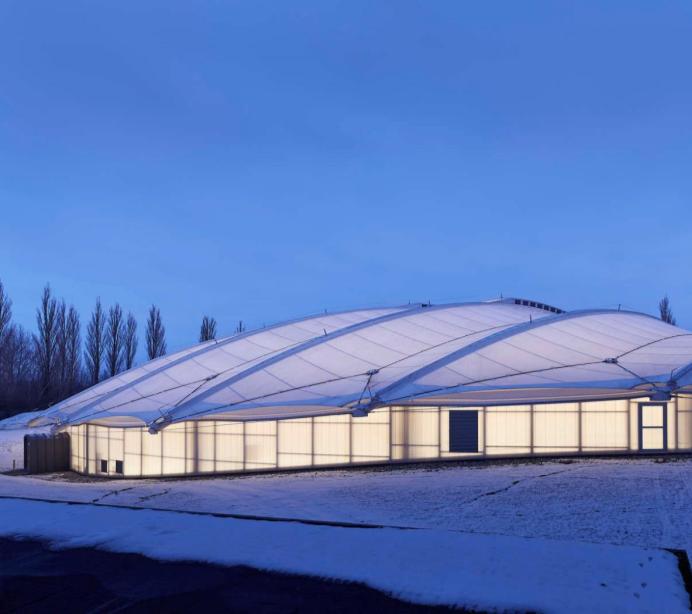
Tensile Structures biggest challenge regard structural design Odense’s new velodrome was the need to design a structure that could span large column-free while being lightest structurally and economically effective solution. During the first stages design process, became clear achieve these goals membrane structure combination supporting structure steel. membrane functions simultaneously as structure and cladding for the roof. reduces weight, costs environmental impact structure. consists membrane panels supported eight structural steel trusses. trusses unusual since their center lines are not vertical but are “tilted” off the vertical to match the slope of the roof, and the thrust force in the arched trusses is balanced with an adjustable steel bar. This architectural feature made the design and especially the installation ofthetrussesmore complex,sincethelongestonesare85m inlength.
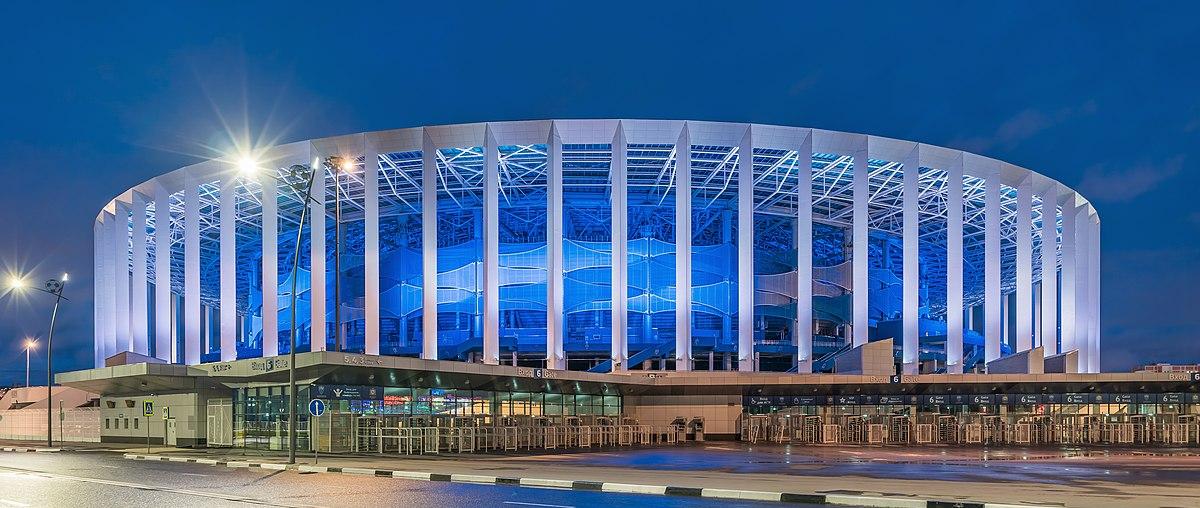
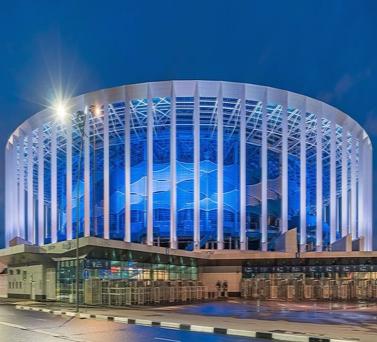
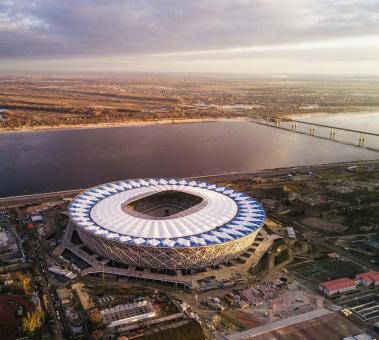
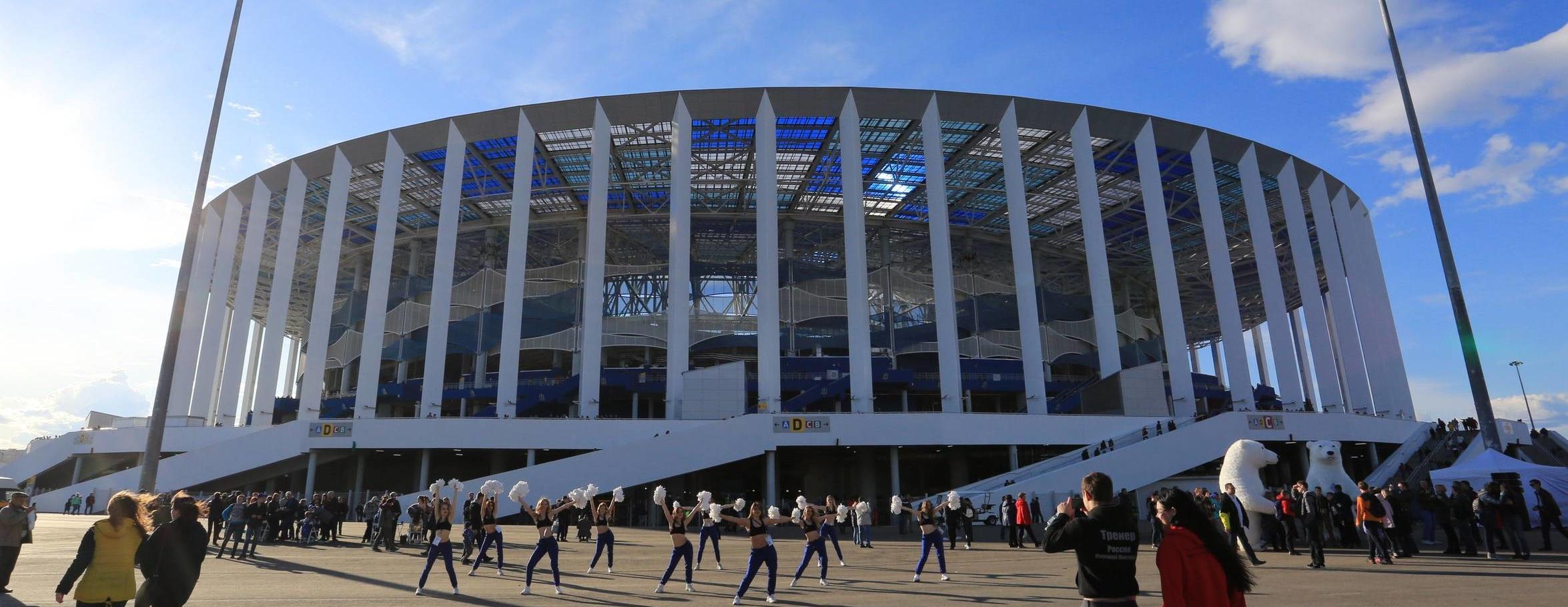
Tensile Structures Nizhny Novgorod Stadium is a football stadium in the namesake Russian city. It was one of the venues for the 2018 FIFA World Cup, hosting a total of 6 games up to the quarter finals with a capacity of about 45,000 spectators. The arena is designed for multifunctional use, expanding its life after the FIFA World Cup. panel which encircle the stadium’s inner colonnade, respecting the design concept given by the alternating colours: for these, a palette of white, blue and azure has been used, associated with the nature of the Volga region and representing the local football team’s colours. The average fabric modulus is about 16 m long and 5 m wide, for a total of 11,500 m2 and an open area of 30%: from one column to the next one, a total of 5 fabric meshes overlap each other, anchored respectively to the outer or inner part of the concrete column, fixed with an aluminium profile and tensioned with a cable system. The analysis of the fabric panel which is basically flat considered also respect to the flattering effect that typical flat panel cause with a resultant increased value of pretension to the initial design condition. Typical clamping system characterizes the shortest side of the panel connected to the secondary steel using typical U strap and extruded aluminium profile.
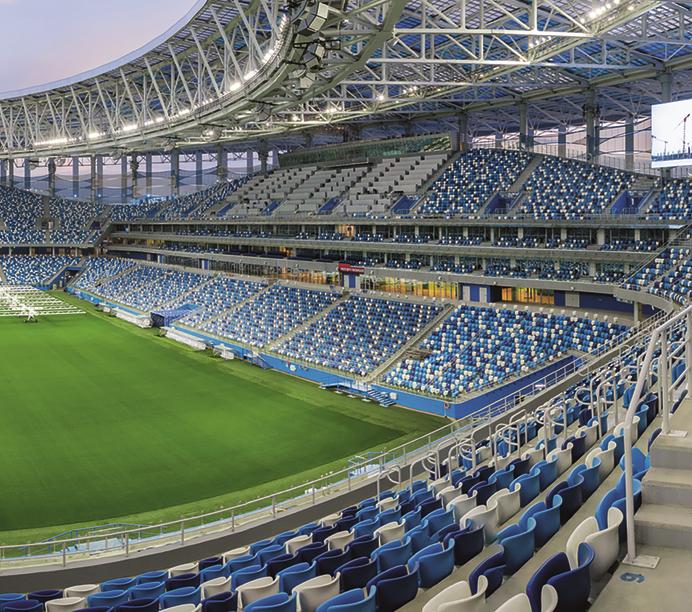
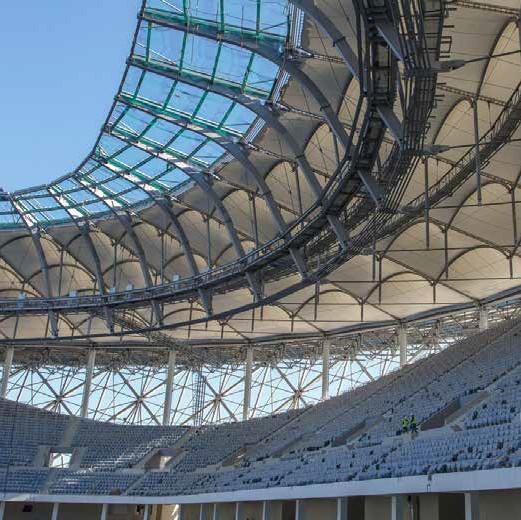
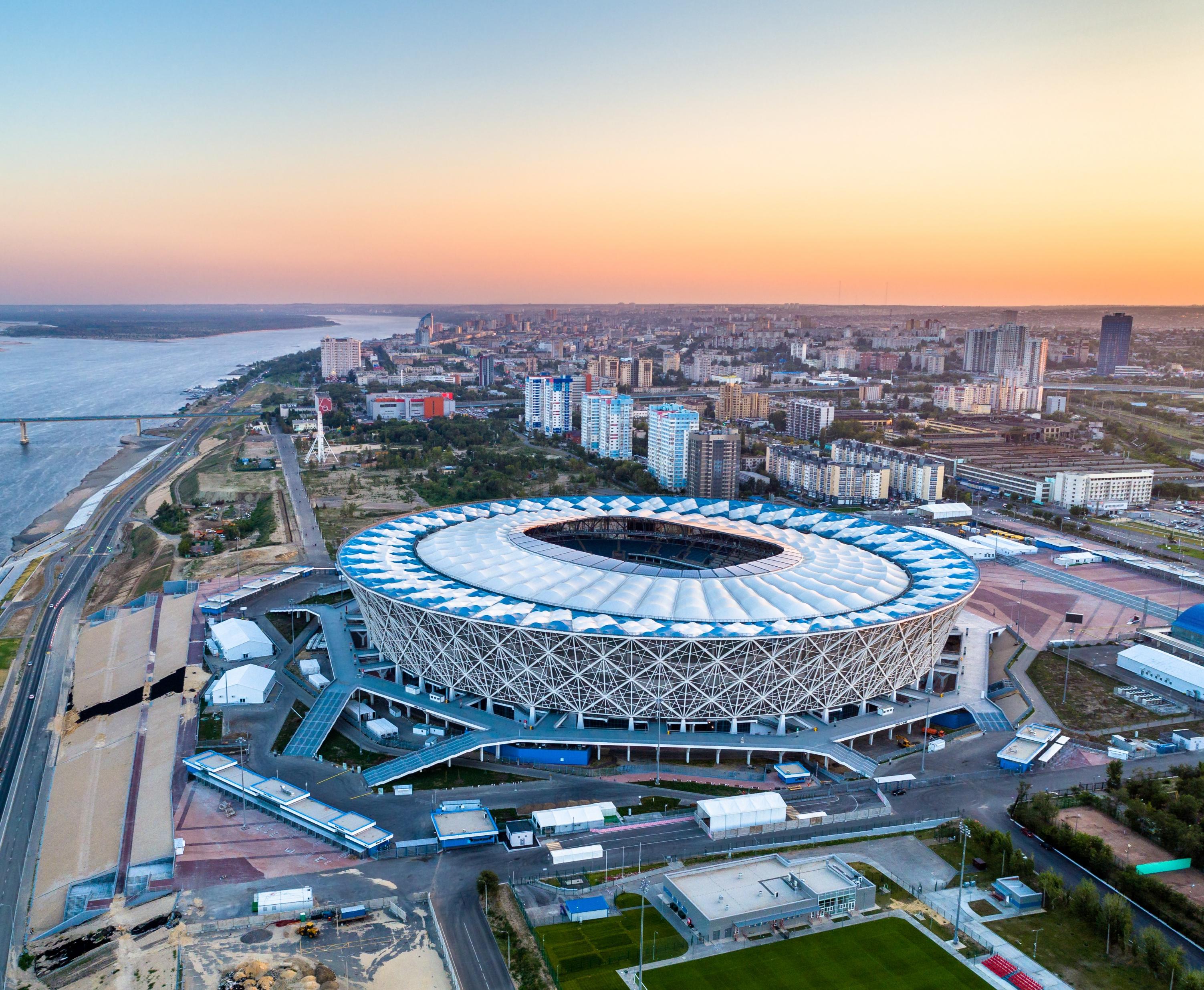
Tensile Structures | ETFE Technology SpecialStructures provided complete concept, preliminary designs stadium’s structures, which included steel façade, steel cable stayed roof and membrane cladding. collaboration Kurganstalmost, general contractor membrane cladding, performed detailed and structural design of the cladding structure, along with the installation procedure. membrane structures included grand stand (35.000 foyer (45,000 consisting tensile membrane cladding. improved existing designs provided support The stadium, completed in 2017, was one of the FIFA World Cup Russia 2018stadia. collaborated Arena Project Institute produce concept and schematic designsfor Volgograd Stadium in2013- 2014.
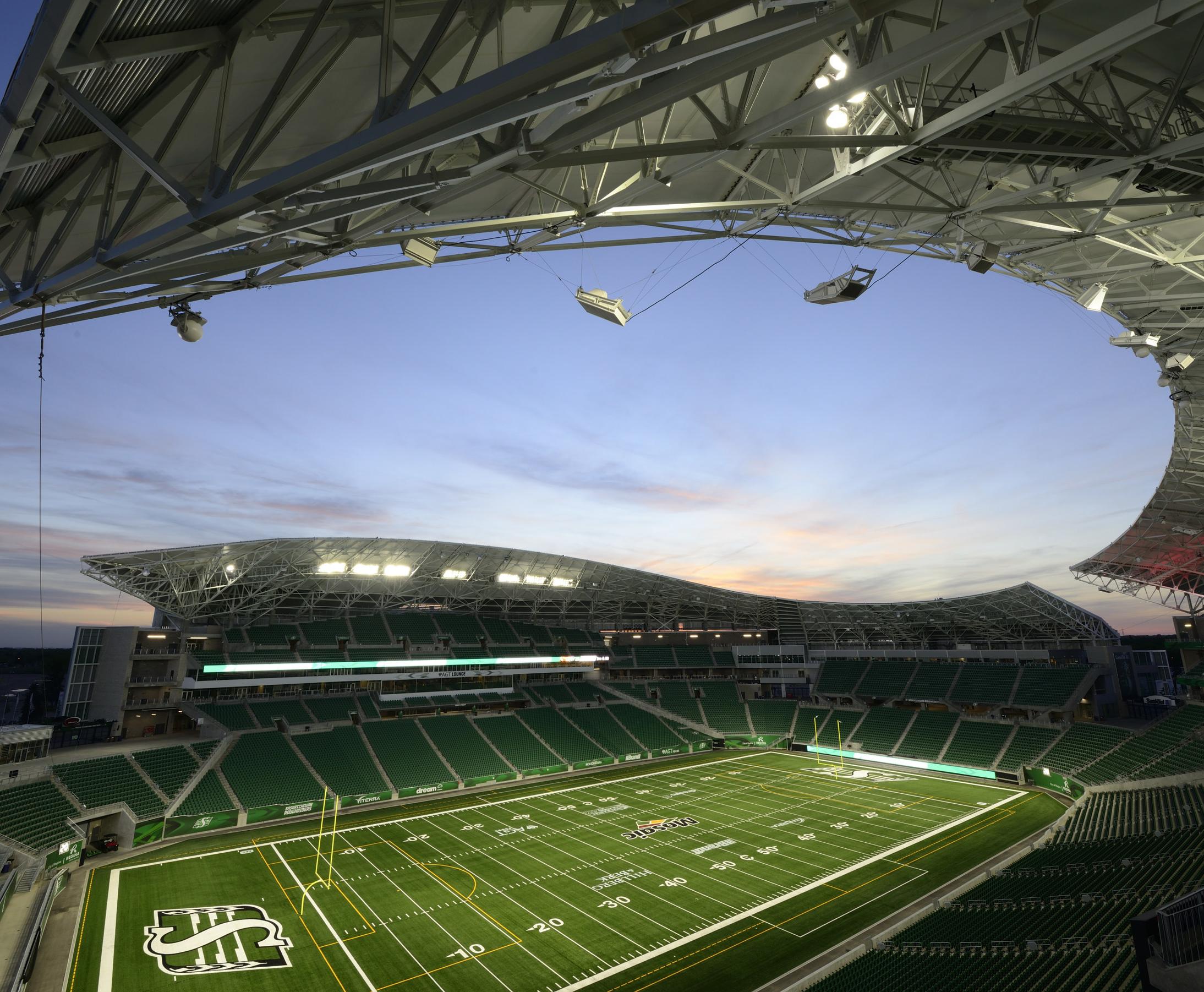
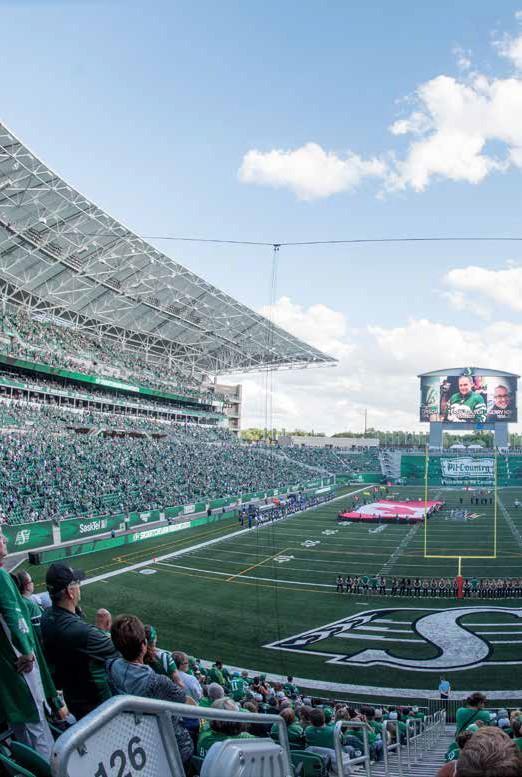
Tensile Structures Mosaic Stadium is an open-air stadium in Regina, Saskatchewan, which replaced Mosaic Stadium Taylor Field field CanadianFootball League’s Saskatchewan. designed whole PTFE-roof canopy supporting steel structure. A particular aspect of the design of this roof is that the top fabric layer is flat, subject to considerable snow load. For this reason, accurate ponding analysis was performed to guarantee proper behaviour of the roof system.
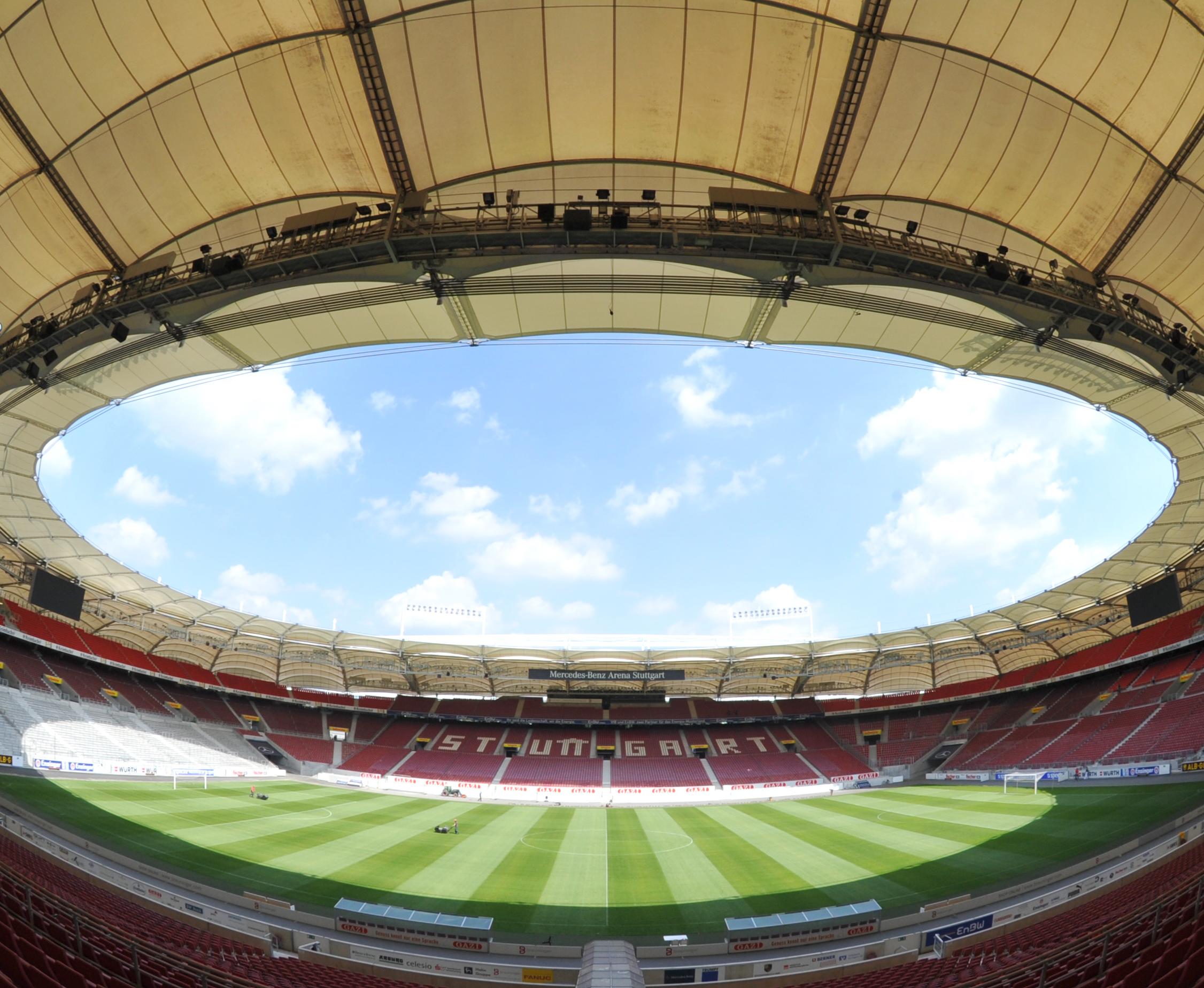
Tensile Structures participated expanasion Mercedes-Benz Arena Stuttgart, providing workshop drawings design Photo credit by: Fischbacher
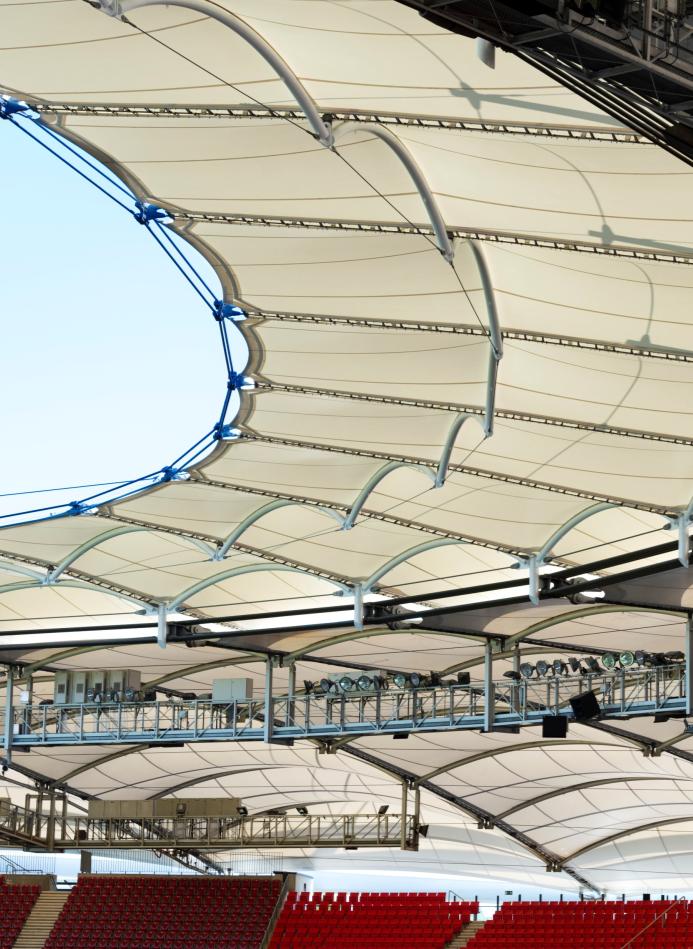
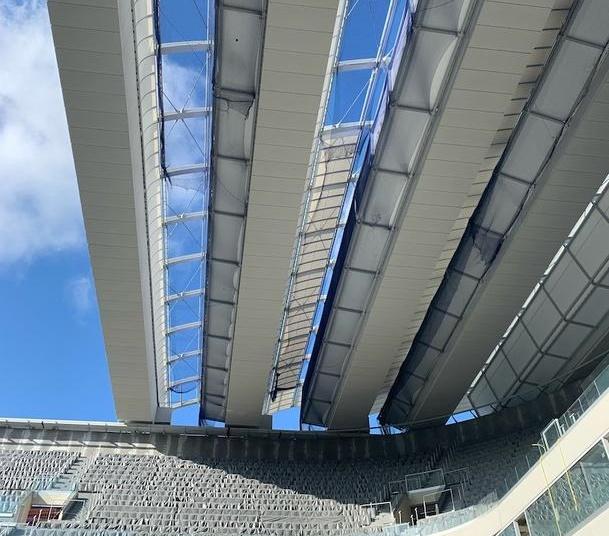
Special Structures | Tensile Structures | DVVD Maffeis was designated as the main designer of the steel structures of roof and stands, mechanical movement roof system, fabric roof and installation methodology of this outstanding project. The design tackled several technical issues related to the special structural layout adopted for the stadium. In particular aspects related to vibration and perception to spectator guided deeply the design strategies. The frequencies of the stands need to met the comfort criteria while avoiding interaction with dynamic wind actions induced on the roof wings. Such requirement lead to adoption of innovative solution for stadia, like the dynamic coupling during dynamic excitation by means of shock-transmitter devices, normally adopted in other engineering field. The interaction of the stands and the roof was further investigated by means of fully aeroelastic model on the roof in wind tunnel testing, in order to properly identify critical frequencies for the wind actions. The value of the test was crosschecked with numerical simulations and real scale sample testing as well, under the supervision of Maffeis The design covered all the structural aspects, up to IFC level, with design and drafting of structural details ready to be supplied to the shop-fabricators.
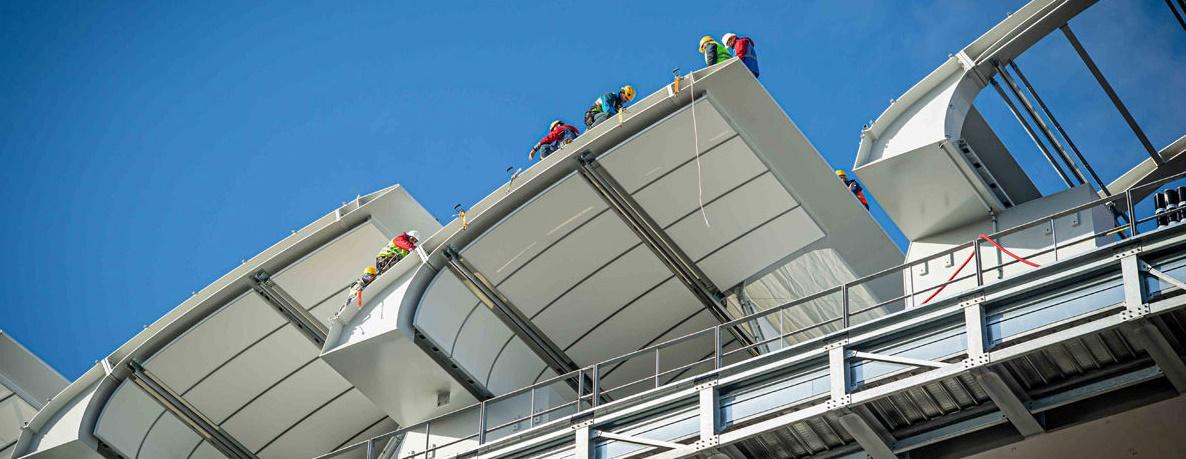
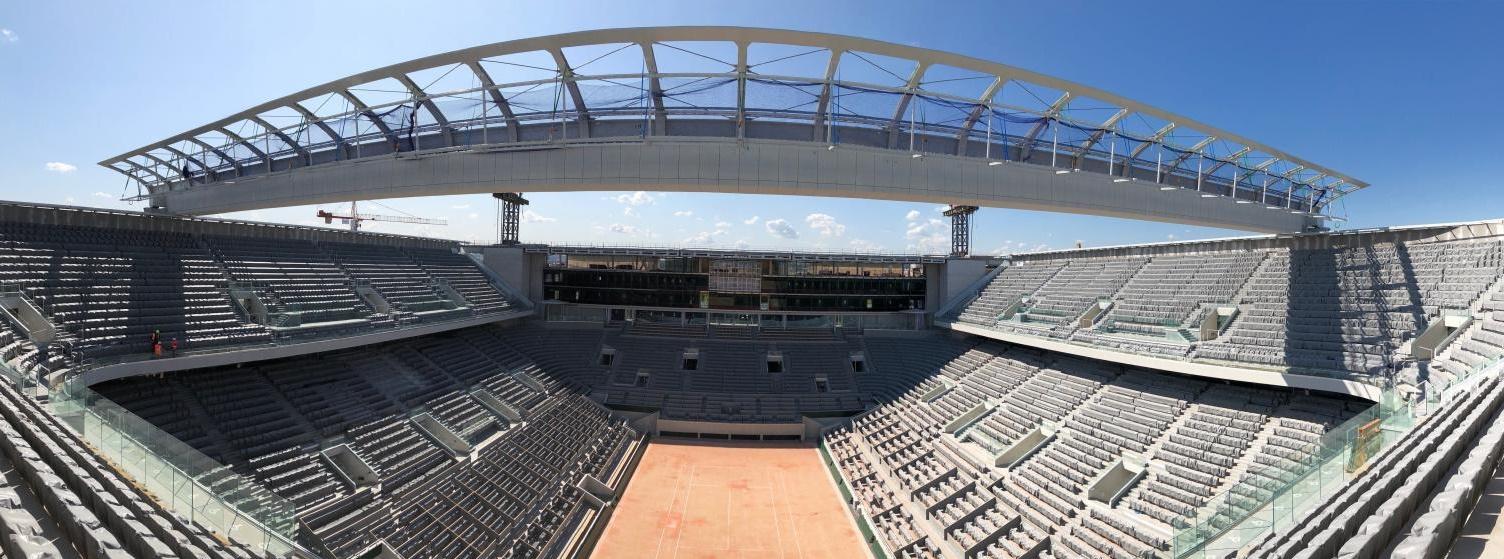
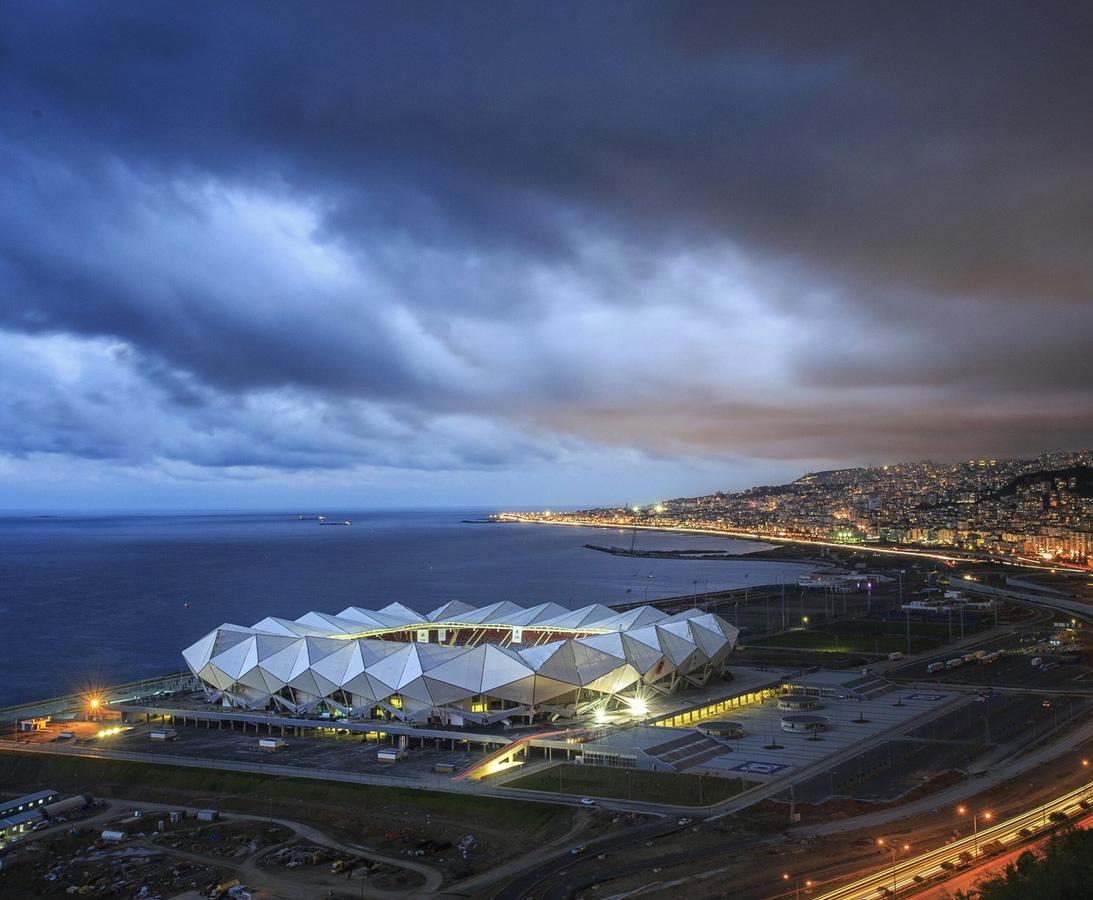
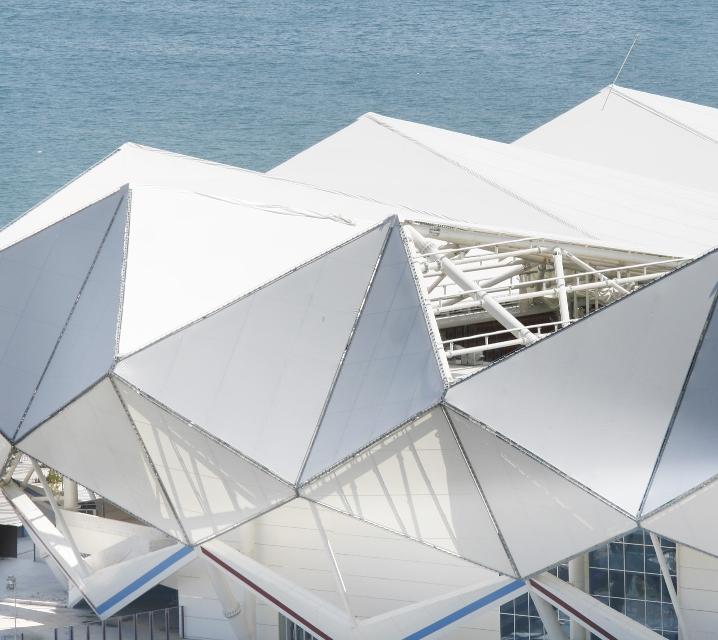
Special Structures | TensileStructures Maffeis provided engineering services for preliminary and final designs stadium’s steel structure connections (façade roof) the membrane cladding. Trabzon sport stadium covered translucent membrane spanned over steel frames that create a unique,angularform. enclosed gives shelter and high winds from the sea as the ground is built just meters away Black coast. become heart Akyazi complex, Trabzon’s largest sports, leisure conference destination built 795.000m² of artificiallycreated land.
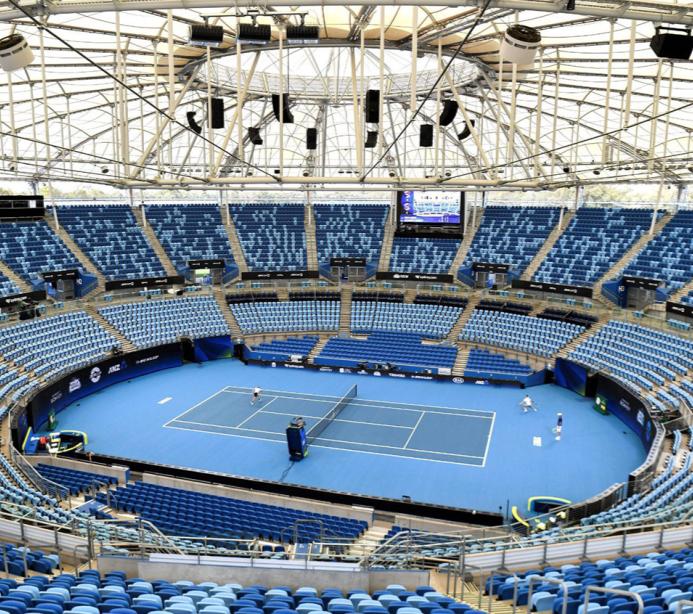
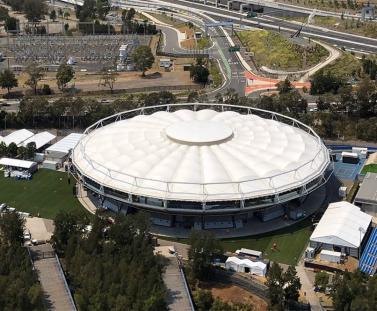
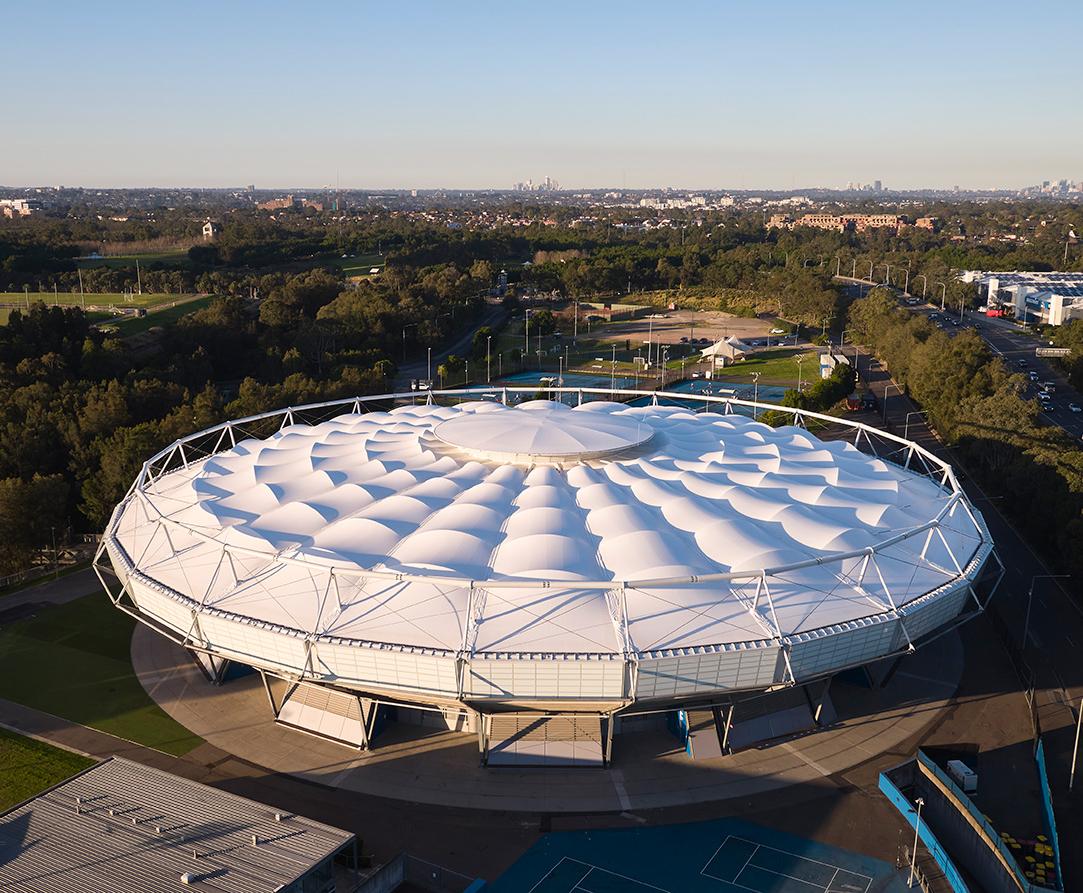
TensileStructures | Installation Methodologies Ken Rosewall Arena is the main arena at the Sydney Olympic Park Tennis Centre at Homebush. Constructed for the Sydney 2000 Olympic Games, the venue was redeveloped in 2019 to become a multi-purpose indoor arena. As well as tennis, it is also now the home of netball in NSW, hosting Super Netball home games for the NSW Swifts and Giants Netball teams. membrane cladding for the new roof of the Ken Rosewell Tennis Arena. Furthermore, Maffeis was responsible for the development of the erection method for the cables and the necessary temporary equipments for the erection. The entire design was developed using parametric algorithms that allowed to seamlessly find the optimized shape of the fabric. This approach allows to handle with few efforts the design optioneering process.
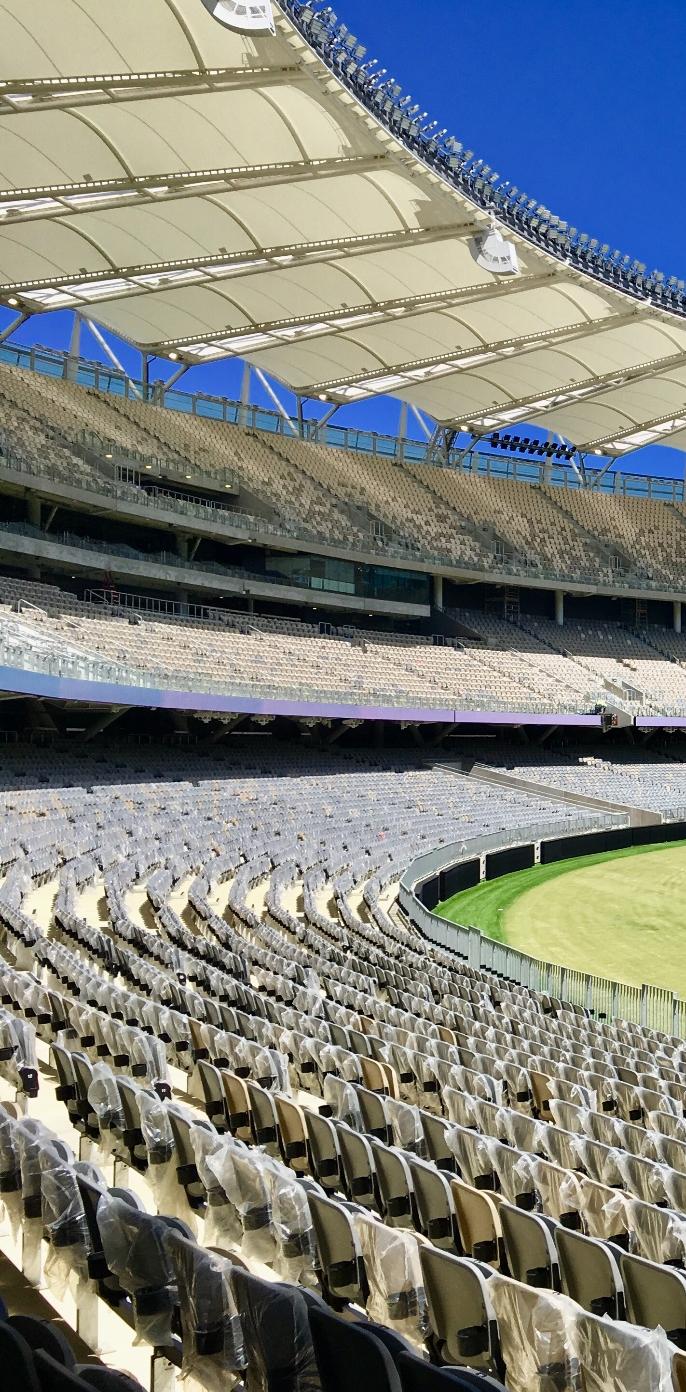
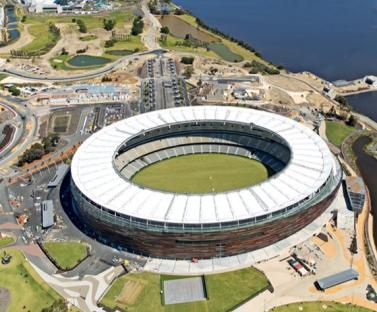
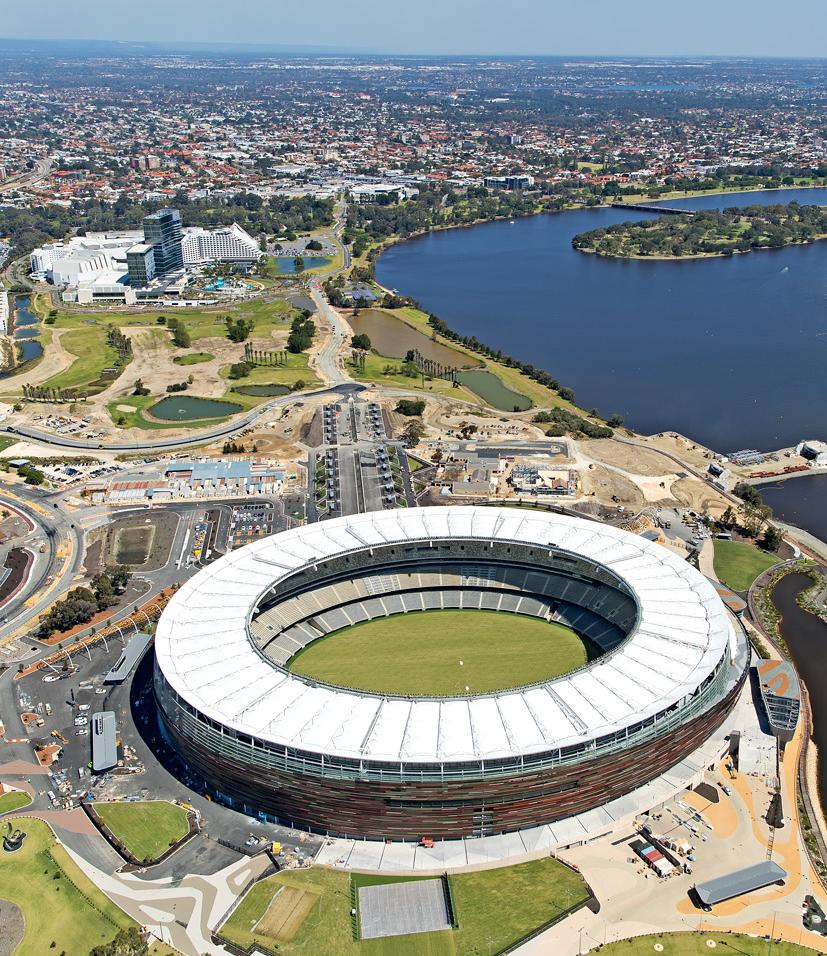
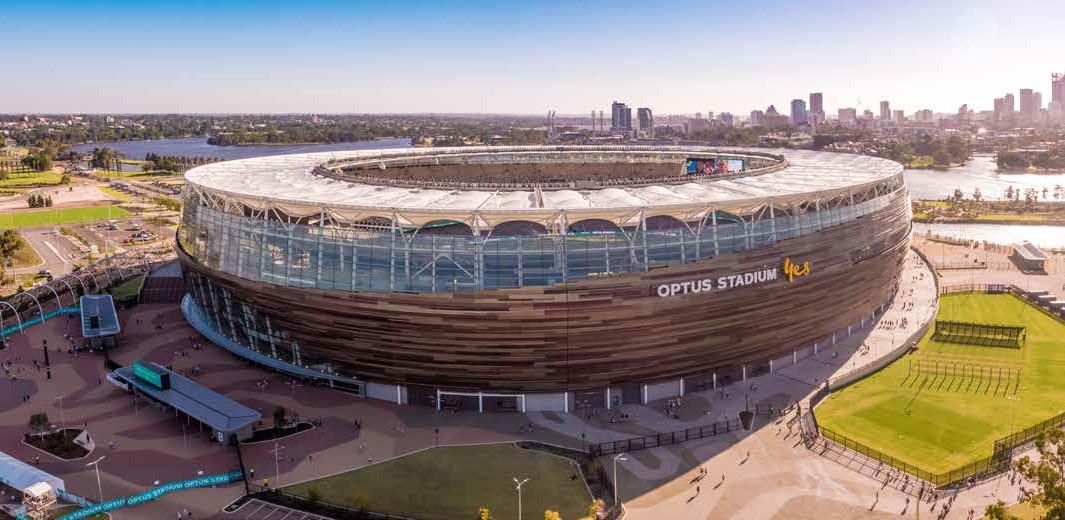
Tensile Structures unique bronze façade anodized aluminum which reflects Western Australia’s unique geology by day and, using state of the art lighting, colors night. lightweight fabric covers 85% of the seats and responds to Perth’sclimatic conditions. responsible design fabric during concept phase design during construction phaseforthefabric,secondarysteelstructureanddetailingofclamping.
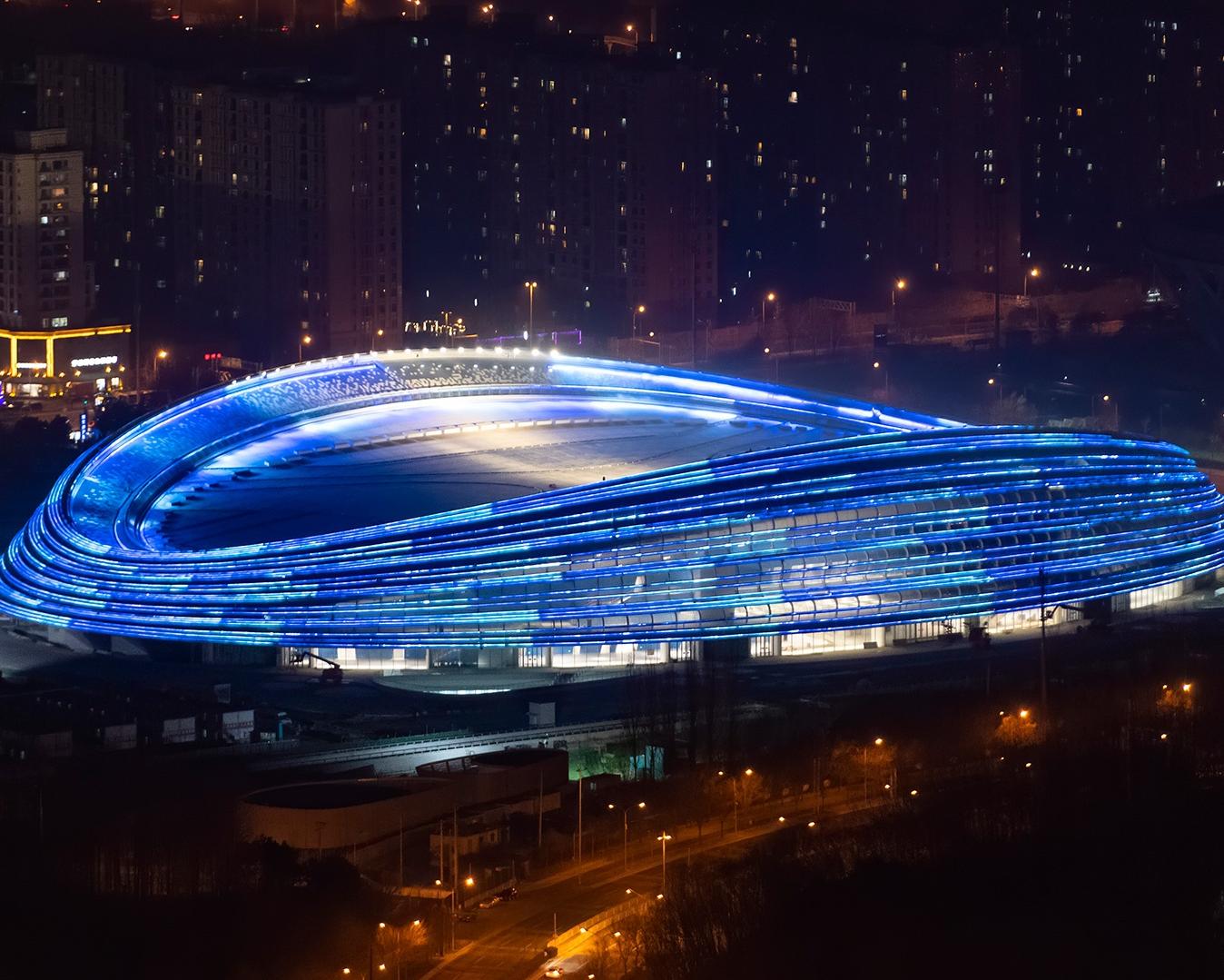
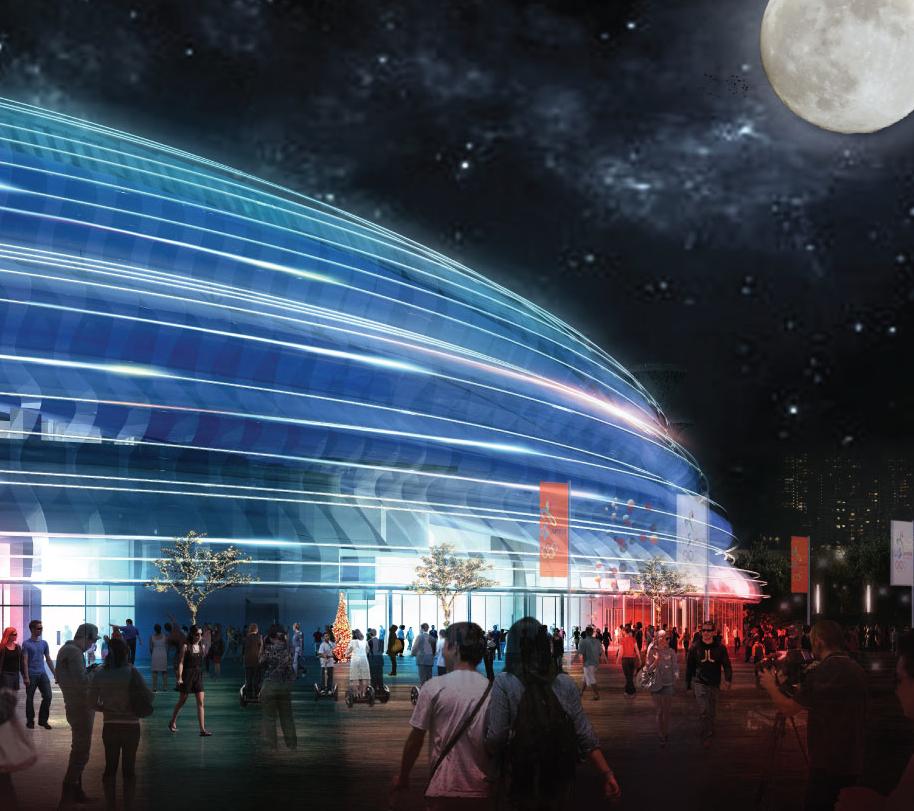
Special Structures | FaçadeEngineering speed skating being built Beijing Olympic Winter Games in 2022 and located at the Beijing Olympic Park. The arena has a distinct saddle shape roof and undulating curved façade. 22 illuminating lightribbonswraparoundthearena’stranslucent facade. The arena is elliptical in plan with overall dimensions of 160 m x 210 m. highest point, arena high. structure shall constructed from either a cable-net system with perimeter compression ring truss orsagging steel trusses betweenthe compressionring truss. The 700 m long perimeter facade will be constructed from curved glass or othersuitable materials to meet the client’sbrief. and Stage 2 to define the scheme of the structure for the undulating curved facade.
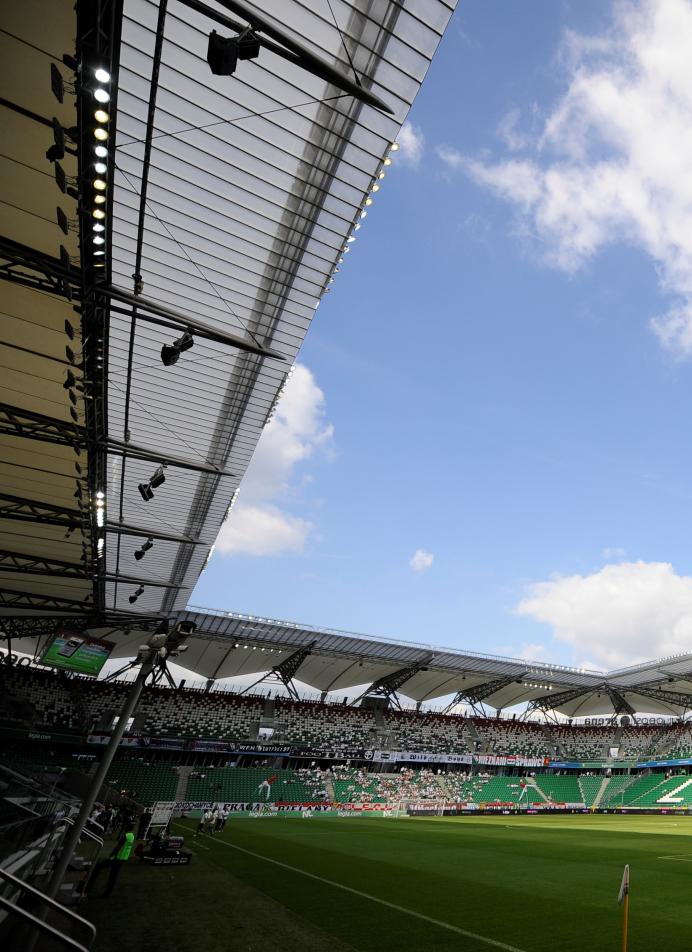
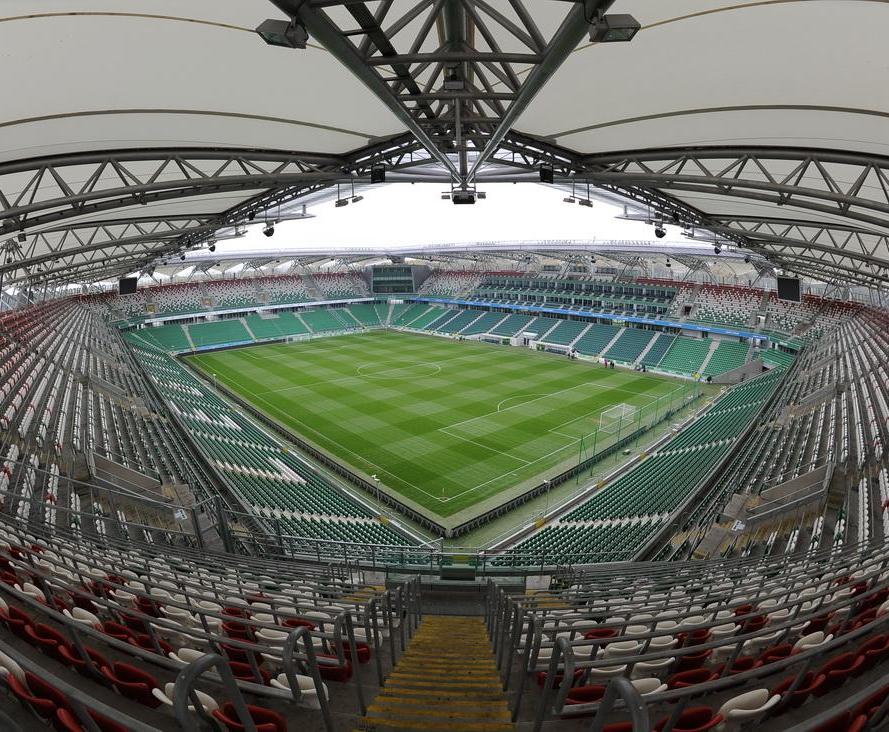
Tensile Structures project concerns renovation of the Stadium for the Polish First League of soccer, originallyopened in 1930. It was necessary to satisfy the more stringent rules of UEFA about safety and comfort for spectators. It envolved mainly the roof system structure designand materials. involvement design fabric cables, including patterning drawings cable connectors.
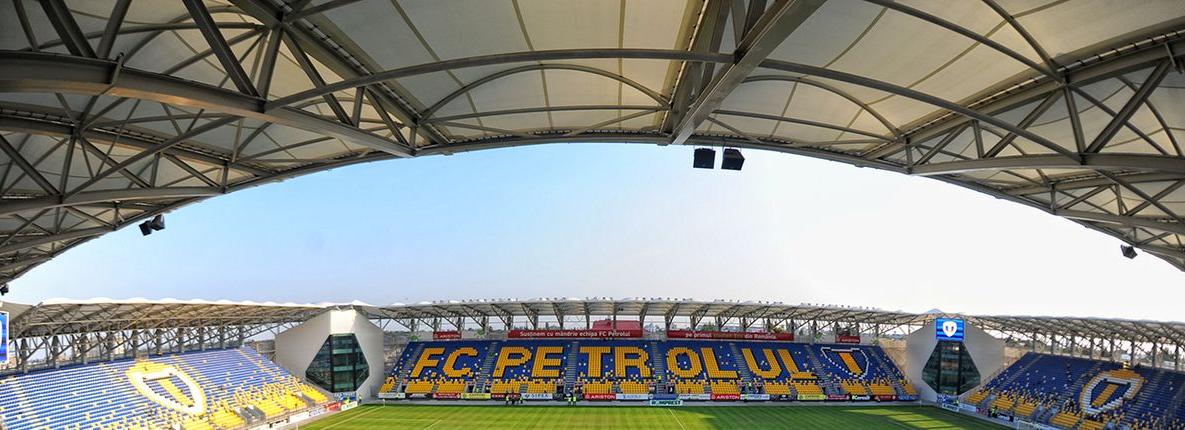
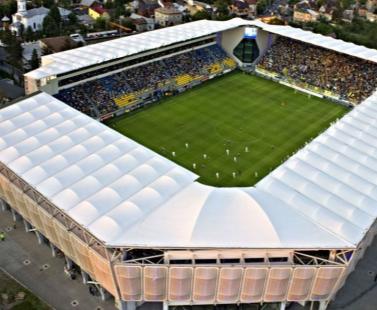
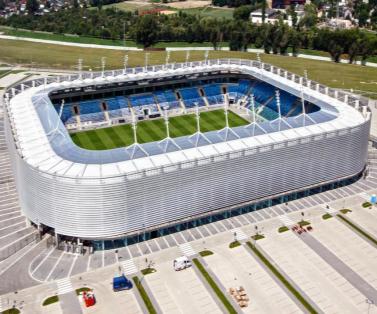
Tensile Structures The renovated Ilie Oană Stadium is now a UEFA Category 3 Stadium with a seated capacity of 15,500 spectators. Most of the work was on the stand for supporters and on the realization of the new roof and façade.
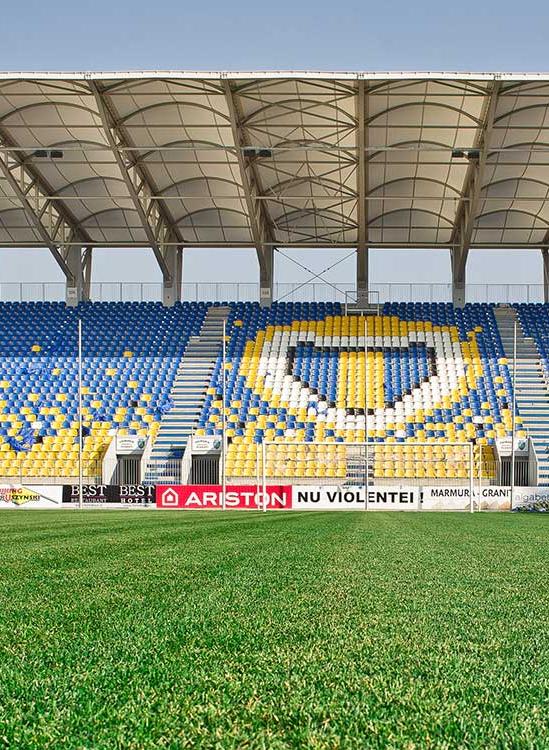
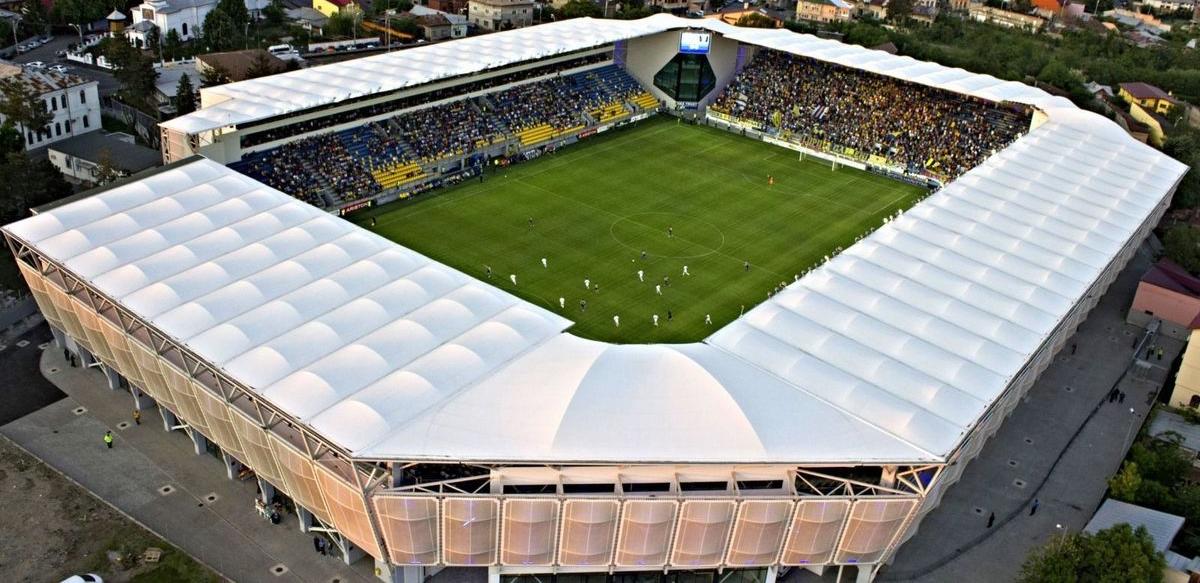
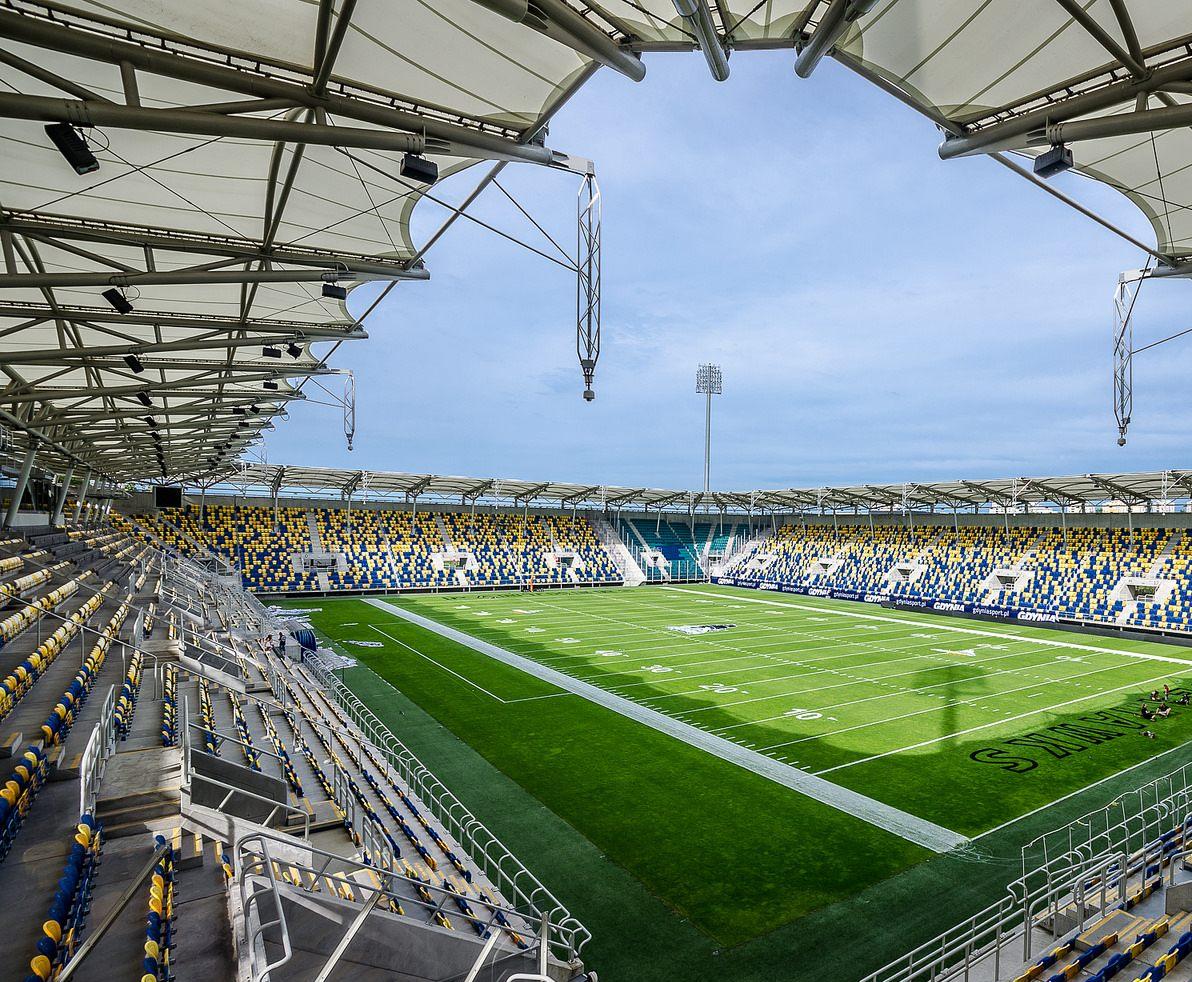
Tensile Structures GOSiR football stadium needed a cost effective and efficient roofing for the grandstands of its more than 15,000 seats. Maffeis has therefore moved towards offering a response that combines efficiency in the choice of materials and in the design to ensure a good performance and, at the same time, reduced costs.
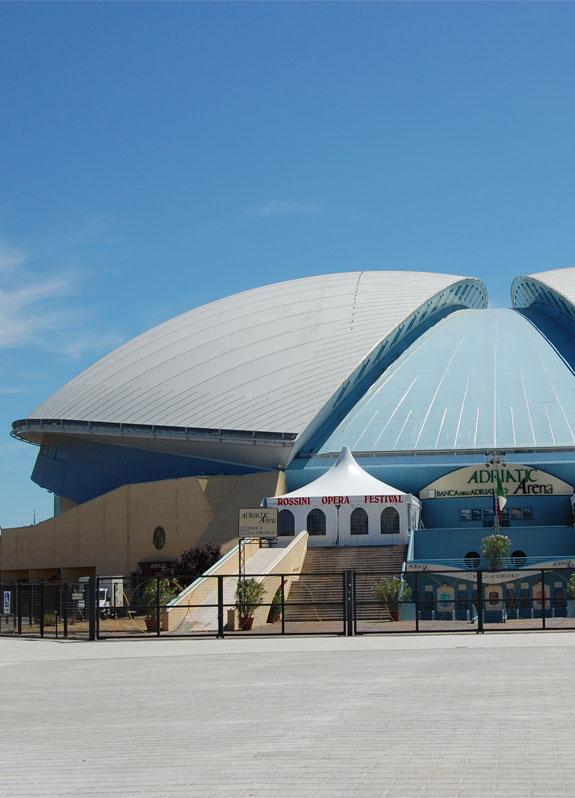
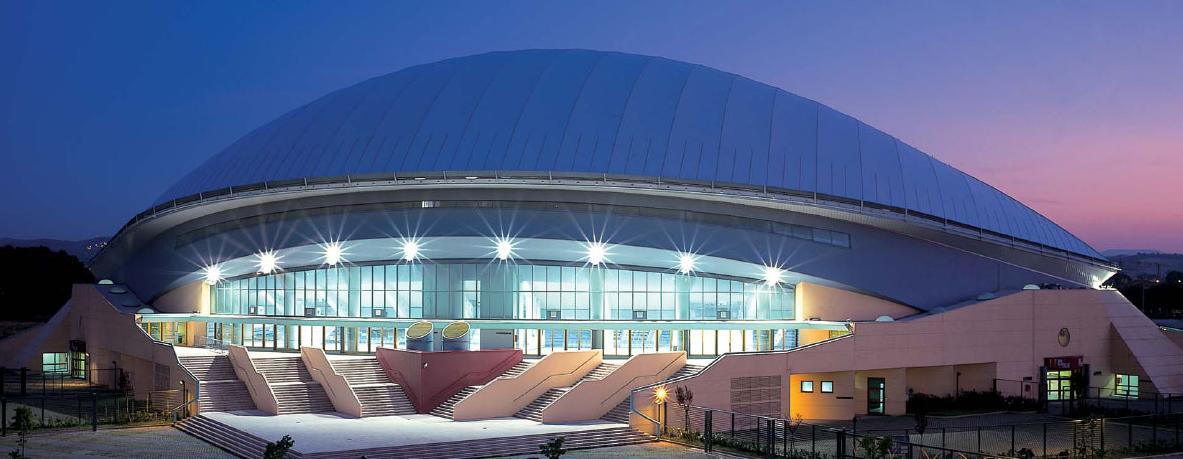
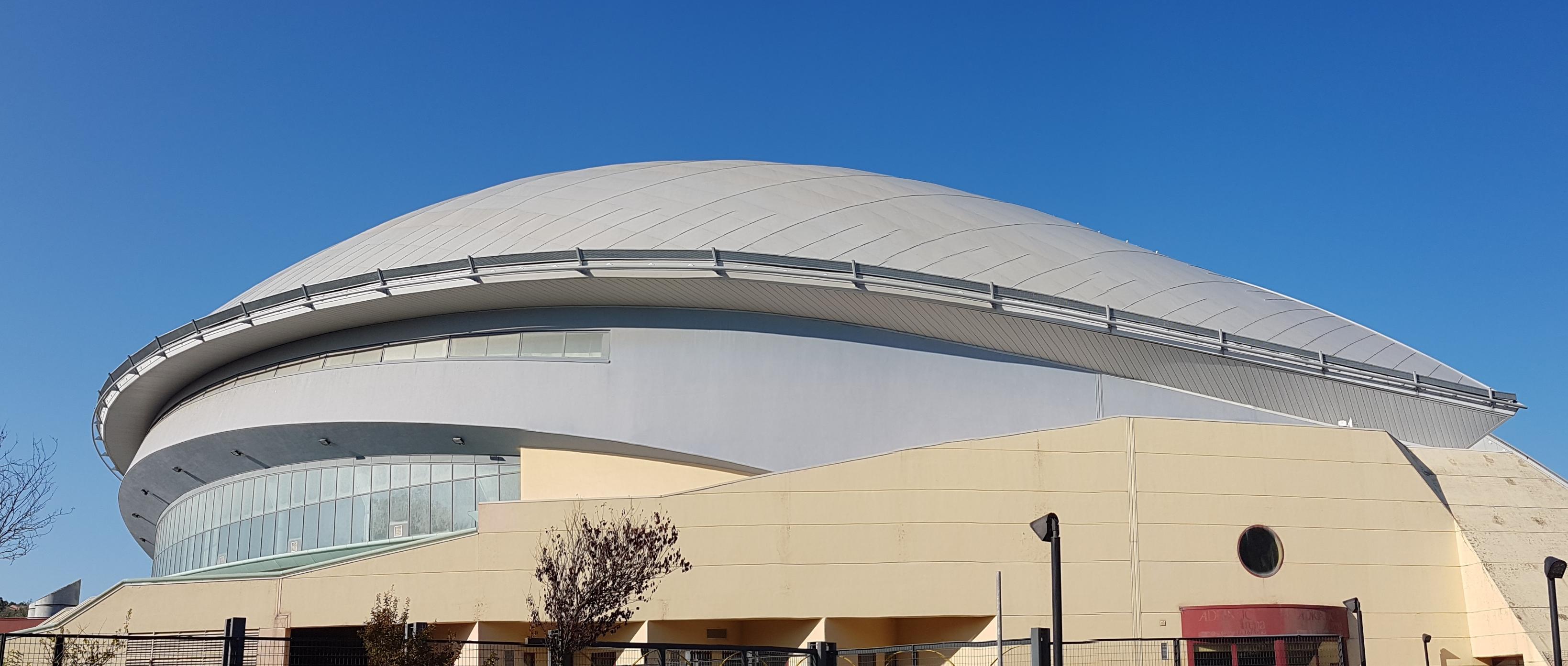
Tensile Structures The “Adriatic Arena” in Pesaro is one of the largest sports buildings in Italy, which can accommodate up to 11.000 spectators. Taiyo Europe was commissioned by the consortium SINEP Scarl to renew the old membrane roof and prevent the intrusion of water, which has been causing problems for many years. The entire roof was replaced with a new PVC membrane and to avoid water damage, each new mounting plate now has caps, which means that 9.000 m had to be welded on site. The job took almost 4 months.
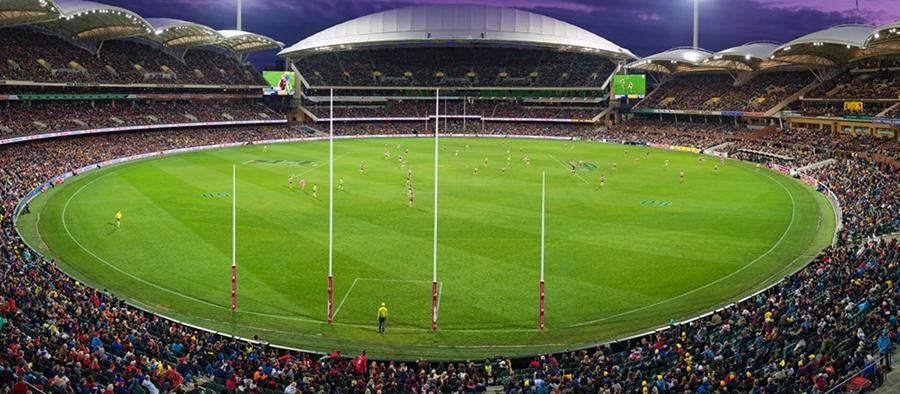
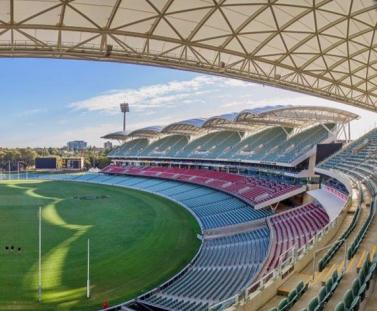
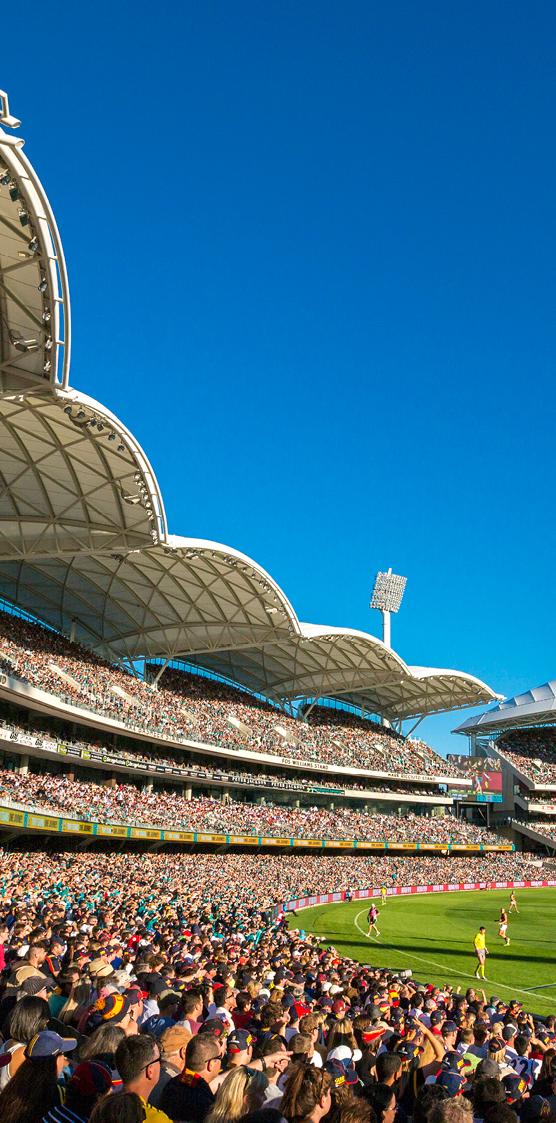
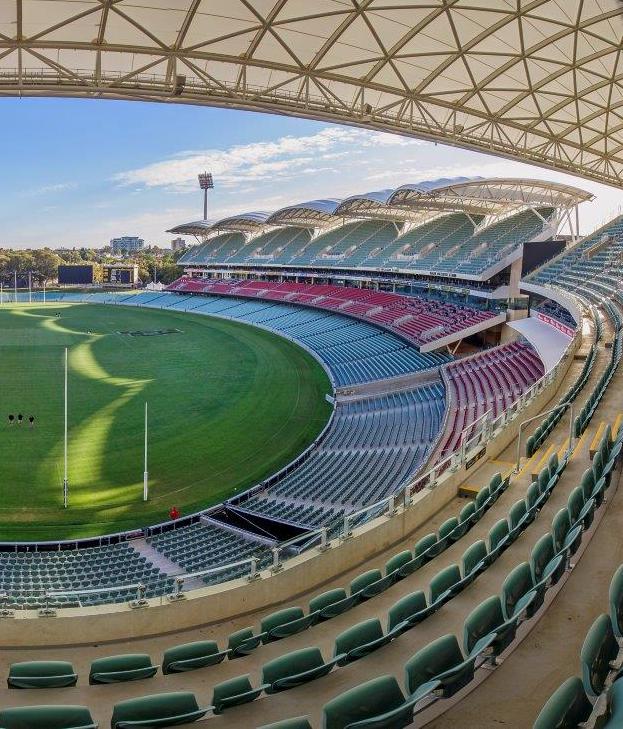
DESIGNER Stephen Morley The Adelaide Oval has served as a gathering place for major sporting events and public ceremonies since colonial times. Stephen Morley had a lead role as principal construction engineer in the Adelaide Oval stadium redevelopment. Perceived as three pavilions in a parkland setting, each stand responds to its site context and history, simultaneously projecting a unique sense of place that forms cultural identity and increased public purpos. The new pavilions, with a strong masonry base, articulated bronze façade, bowl structure and floating white diagrid roof form create a shared identity. Setting it apart from most other modern stadiums is that the roofs do not connect and create a complete shape, instead with a gap at the northern end. This creates a shape, adding to the oval’s individualism and identity.
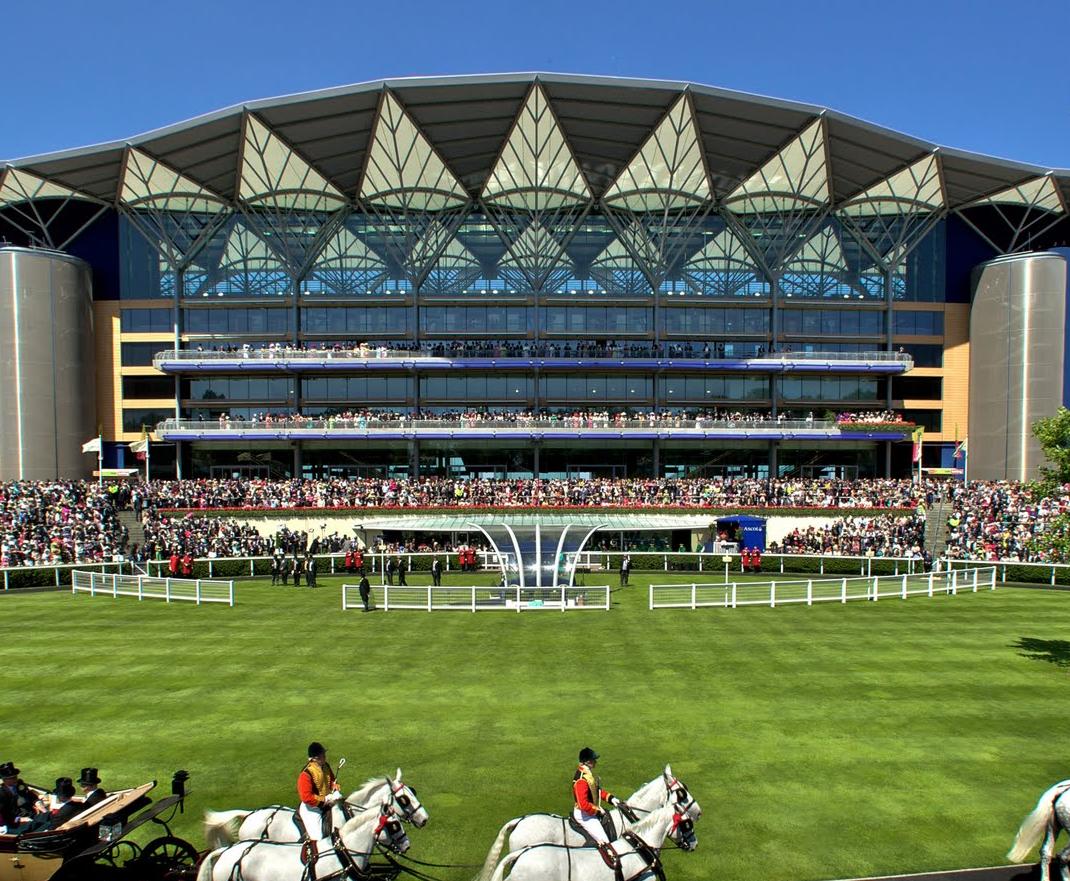
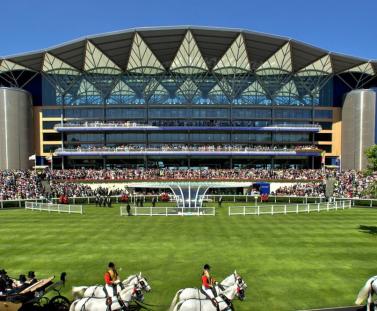
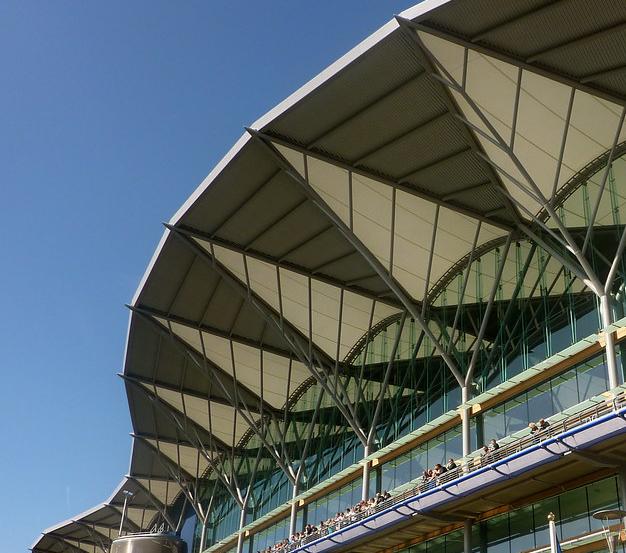
DESIGNER Stephen Morley The project’s scope of work involves the redevelopment of Ascot racecourse at the Berkshire, United Kingdom. The project involved the demolition of the existing grandstand and ancillary buildings and the construction of a new 50,000 m² grandstand. Stephen Morley devised the structural concept with BuroHappold Inventor of the moving turf tray. The redevelopment of the grandstands allowed to increase the capacity up to 80,000 people.
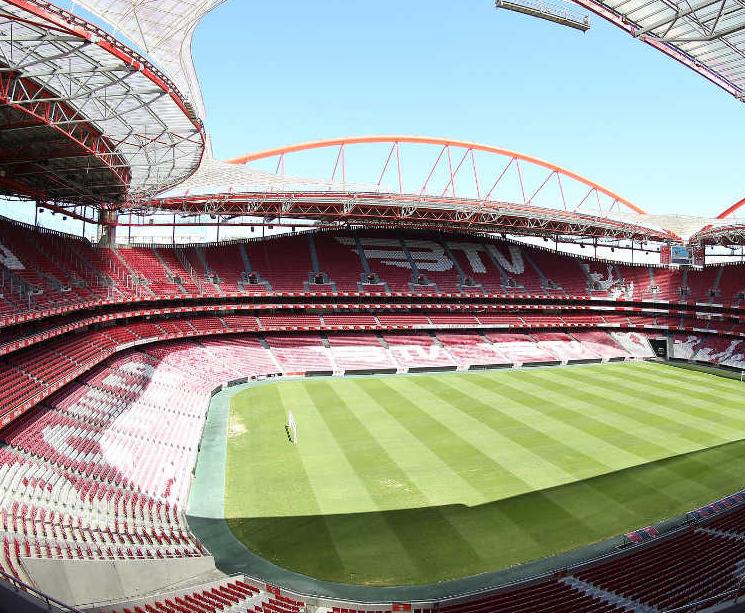
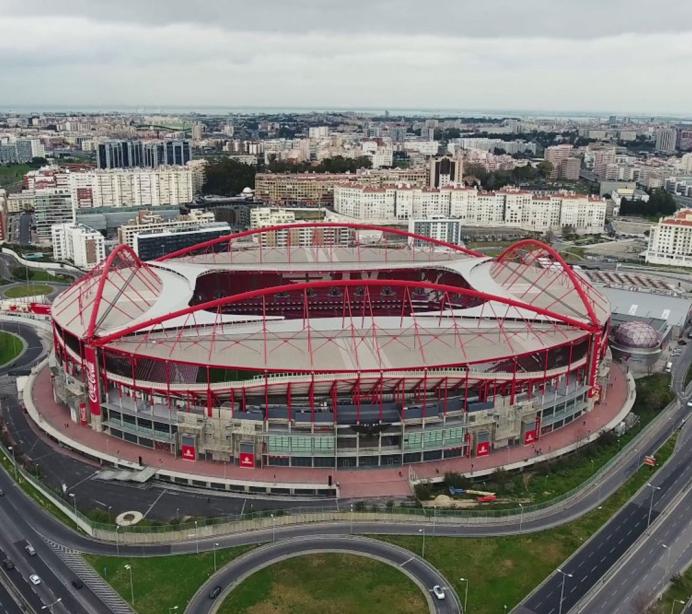
DESIGNER Stephen Morley Stephen Morley was the director of Structural Design and led SKM with detail design. The Estadio de Luz certainly lives up to its name with the polycarbonate roof allowing natural sunbeams onto the pitch with the roof appearing to levitate above the stands due to special tie beams which eliminates the need for intrusive supports which allows even more light into the ground.
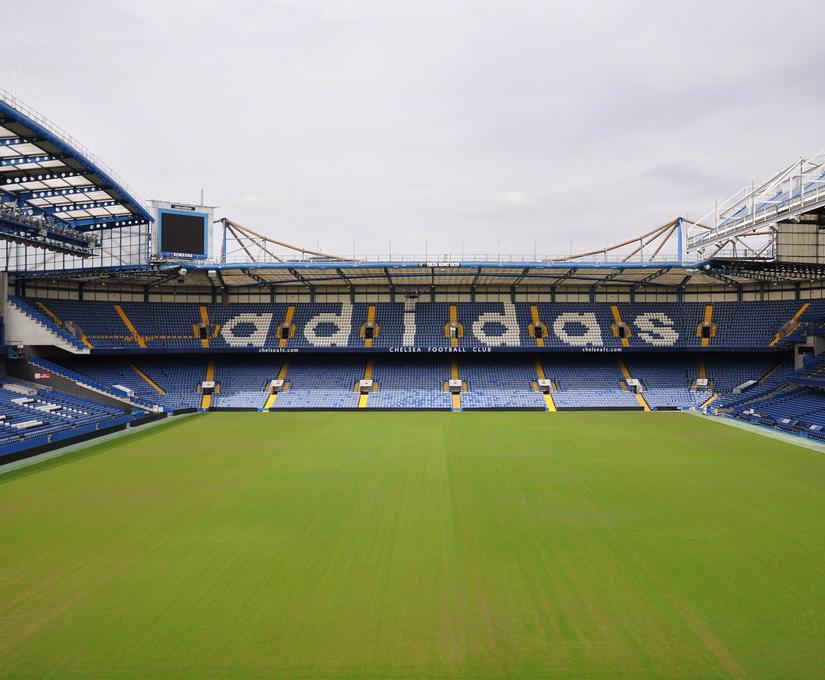
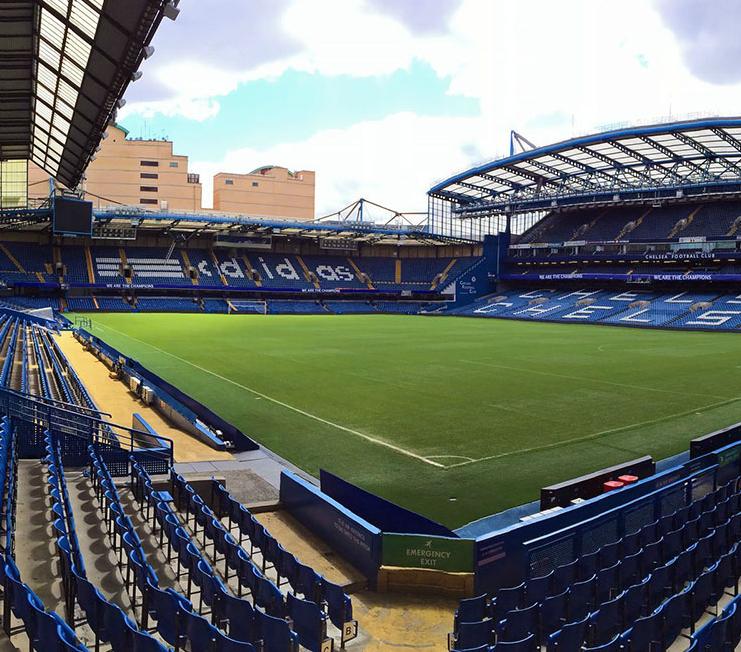
DESIGNER Stephen Morley Structural Engineers from all over the world travel to the Chelsea FC North Stand during their study tours and insist on walking on the roof in their efforts to determine quite how it is held up! Stephen’s innovation on Chelsea saved the client over 1 M on the roof costs alone furthermore, he has a lead role as director of structural design and concept designer including the structure of innovative roof. He also led the Detail Design of the Grandstand, 200 bed hotel, high rise residential block and office building, including underground car park. The innovative Roof design of Chelsea Stadium is internationally acclaimed (Hugh Pearman, author of “World Architecture”).
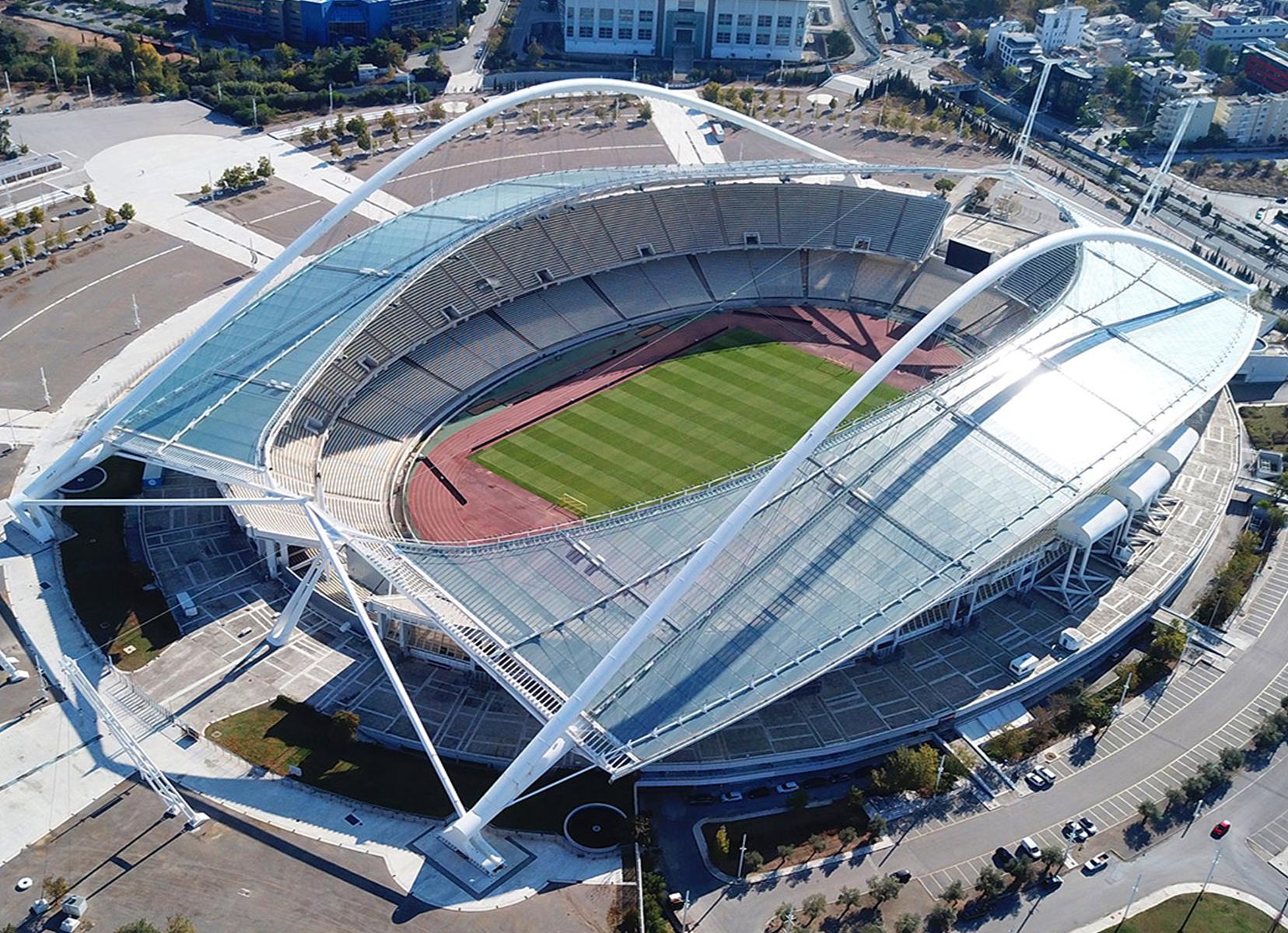
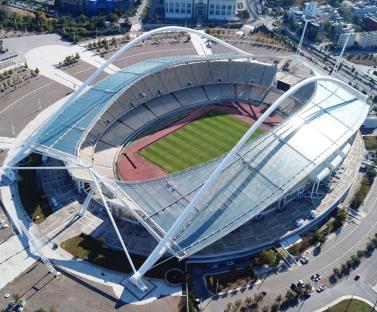
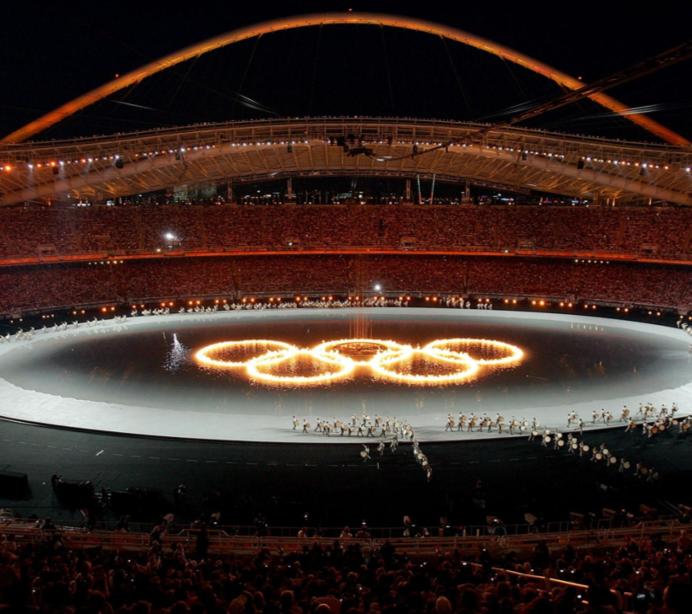
DESIGNER Stephen Morley The Olympic Stadium was originally built in 1982 and was extensively refurbished for the 2004 games, including the addition of a roof structure composed of two 45 meters high arches, weighing 4,000 tons, from which the glass and steel roof is hanging. Stephen Morley devised the structural concept of 3 facilities and led the detail design of 6 facilities He technically led the structural re-design of the Main Stadium Roof which contributed significantly to the stadium’s safety and led to an appointment to the IOC as adviser on structures.
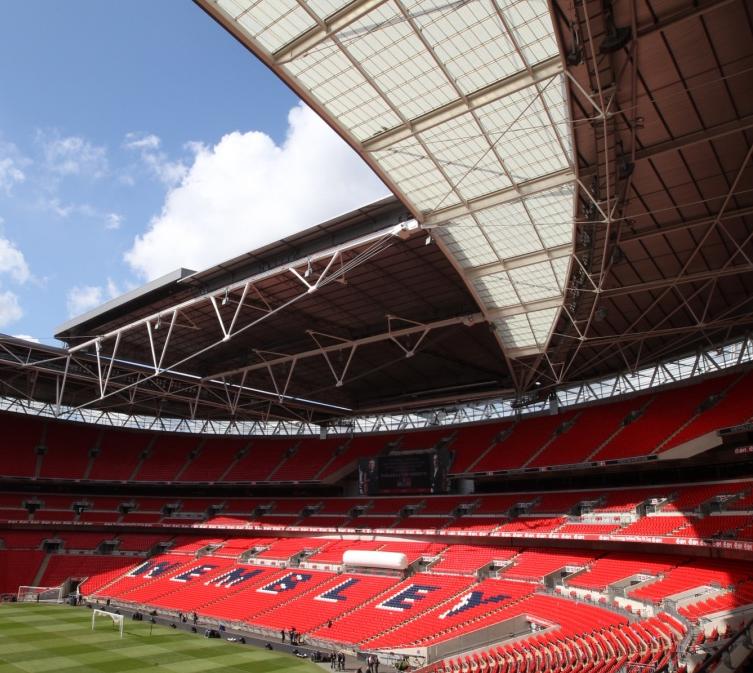
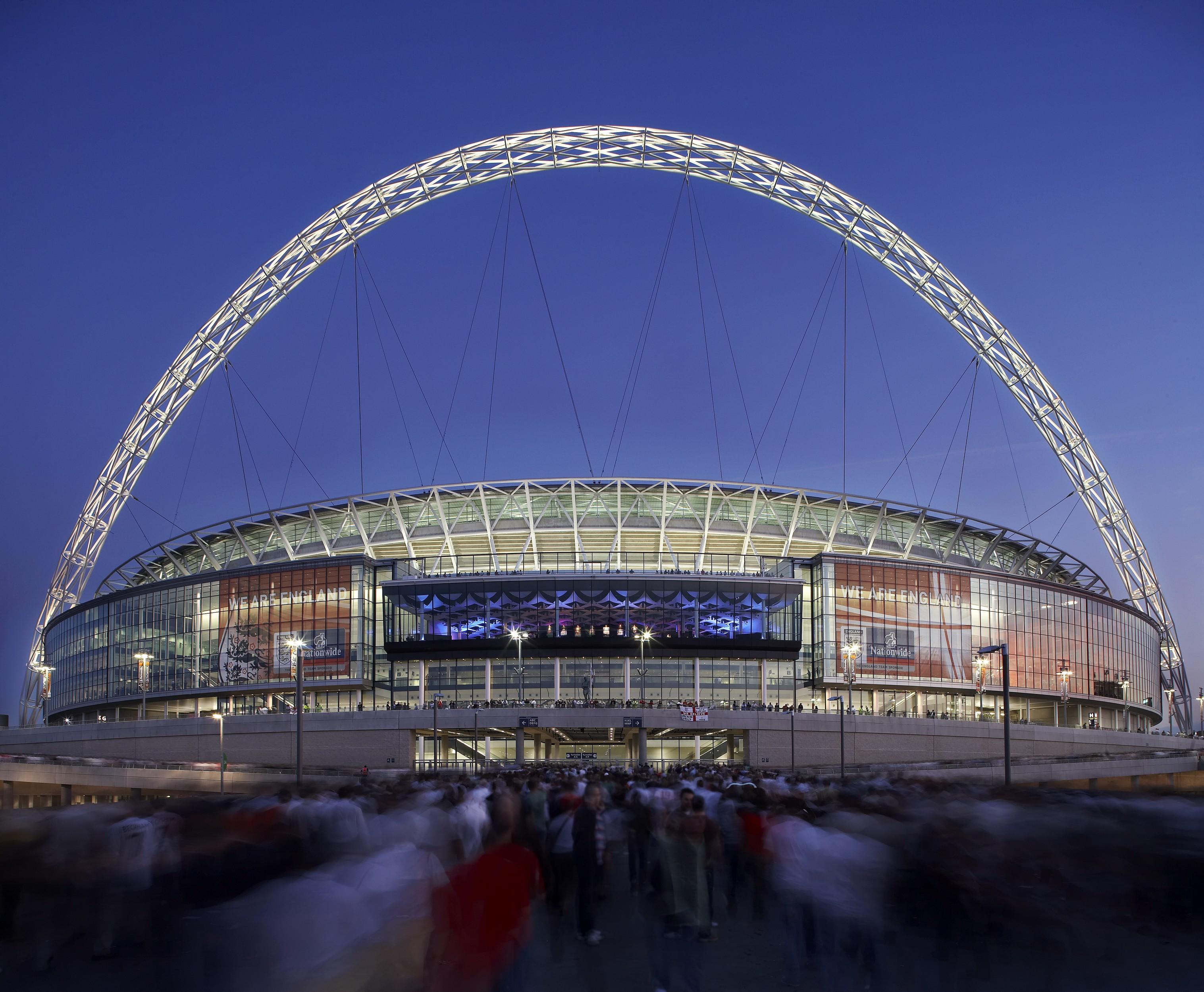
DESIGNER Stephen Morley ROOF SURFACE 44.000 m² Appointed by the Mott Stadium Consortium Wembley as Director of Structural Design until 2003, Stephen Morley had lead role in the Structural Concept Design of Wembley Stadium including the concept of replacing the original roof masts with the now famous Arch securing Wembley’s iconic status. The arch (with a span of 315 m) supports the 7,000 tons steel roof structure, eliminating the need for pillars. The seating is designed as a single bowl, which gives every spectator an unobstructed view of the stage or pitch, as well as increasing the intensity of the atmosphere. Retractable panels in the roof allow light and air onto the pitch.
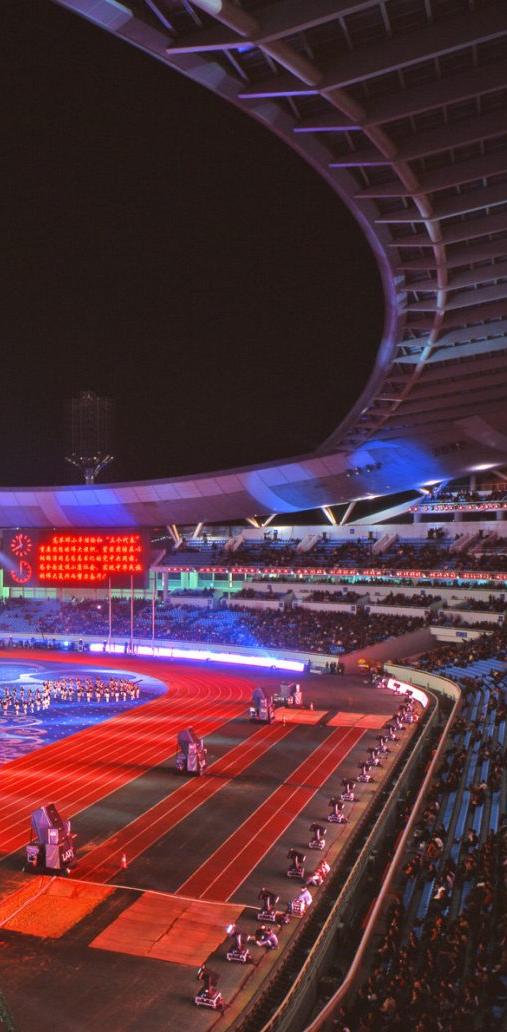
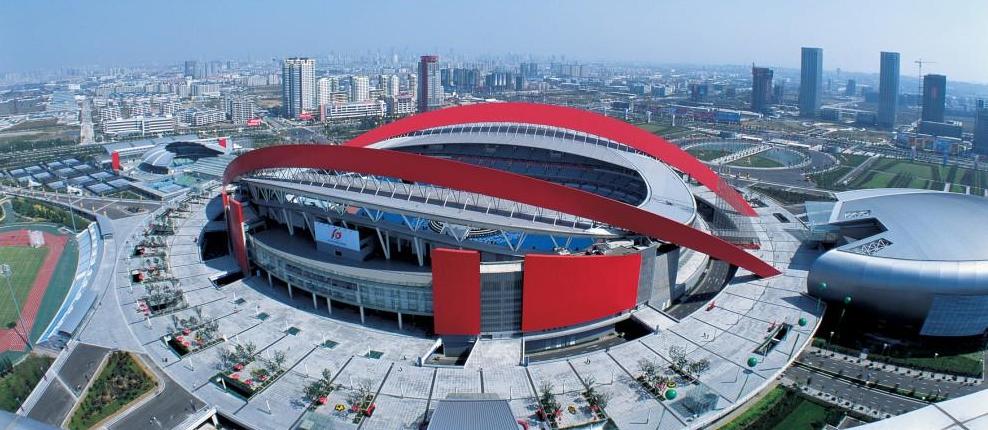
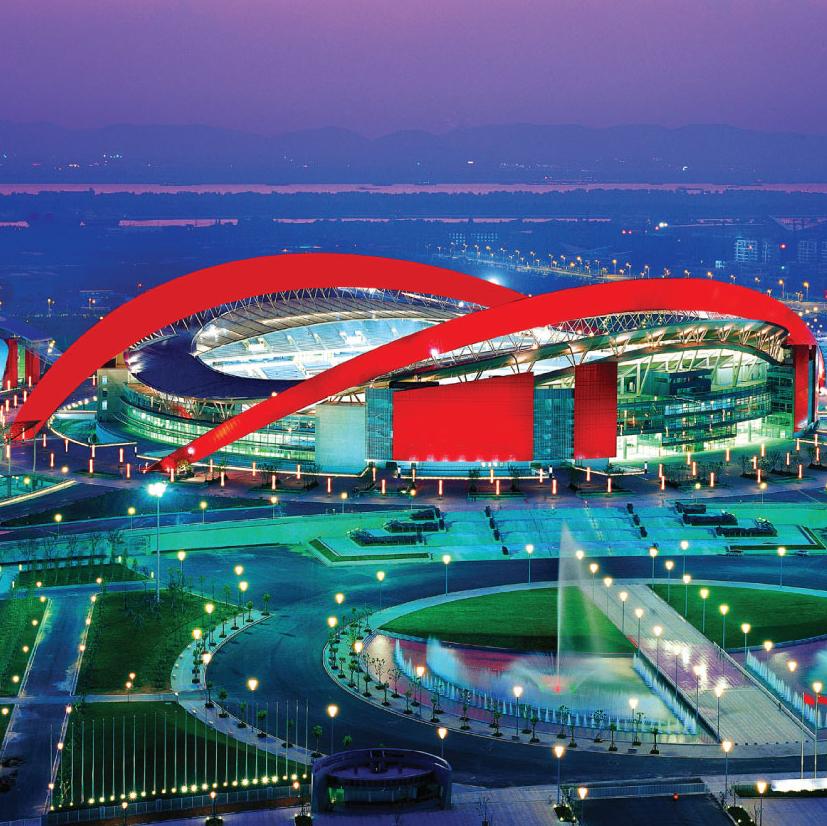
DESIGNER Stephen Morley Originally designed to host the 10th China National Games in 2005 the precinct’s main facilities include a 60,000 seats stadium, 11,000 seats arena, swimming center, tennis center and outdoor sports facilities. The challenge was to create an iconic development for the Games, which reflected the historical and cultural significance of Nanjing and which also became an integrated and harmonious part of the development of the new city. Stephen Morley had lead rule as Director of Structural Design and led SKM scheme design..
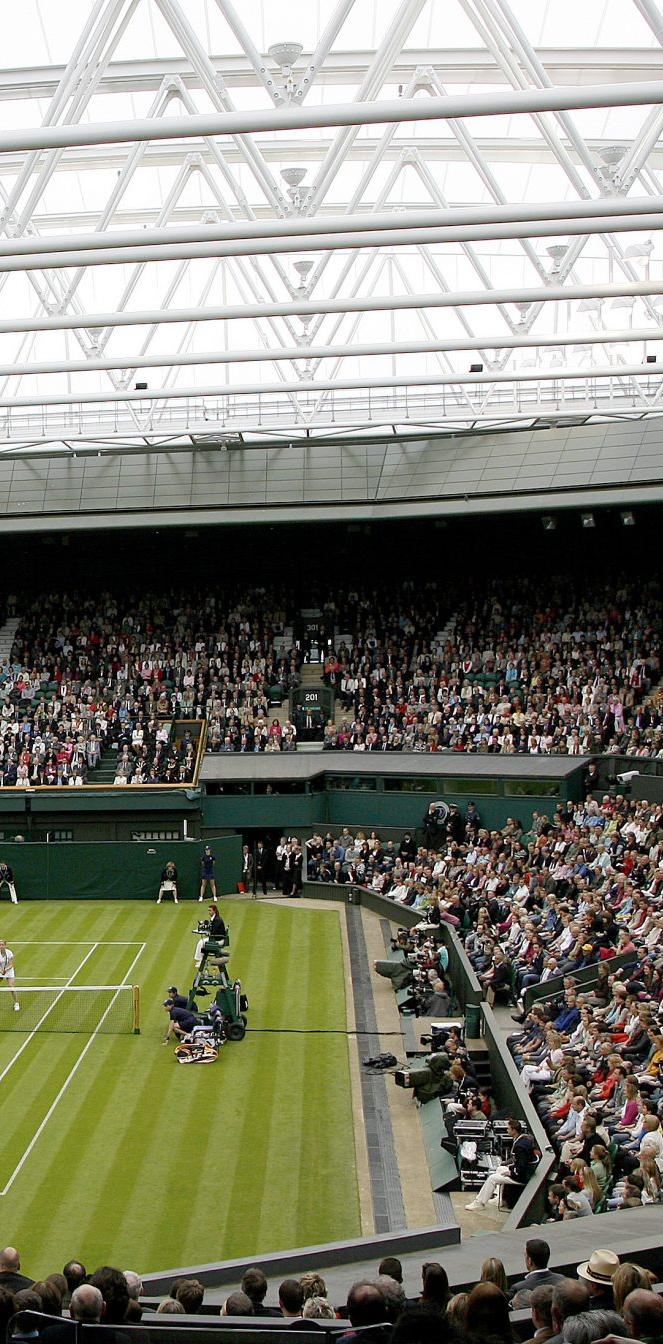
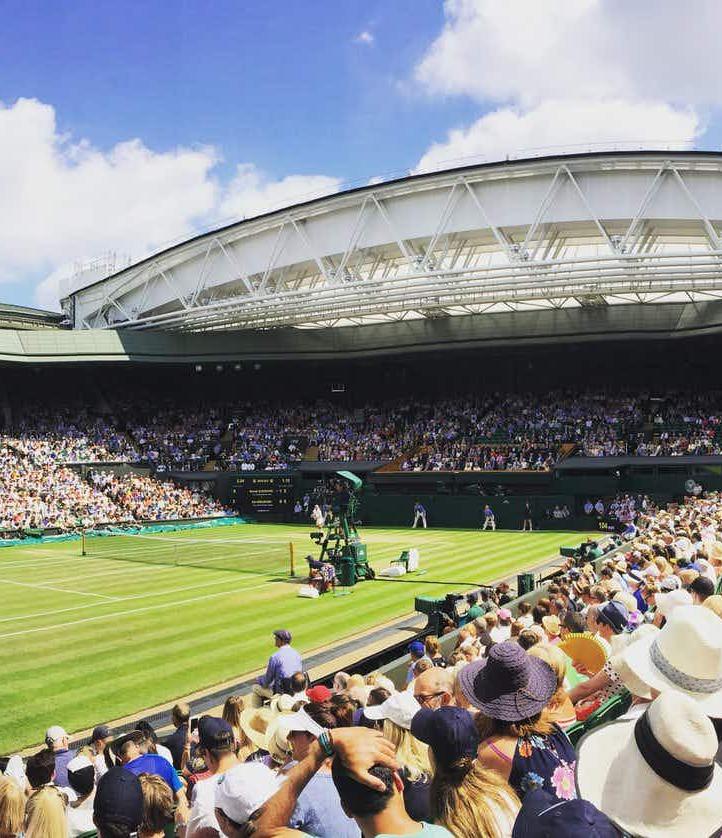
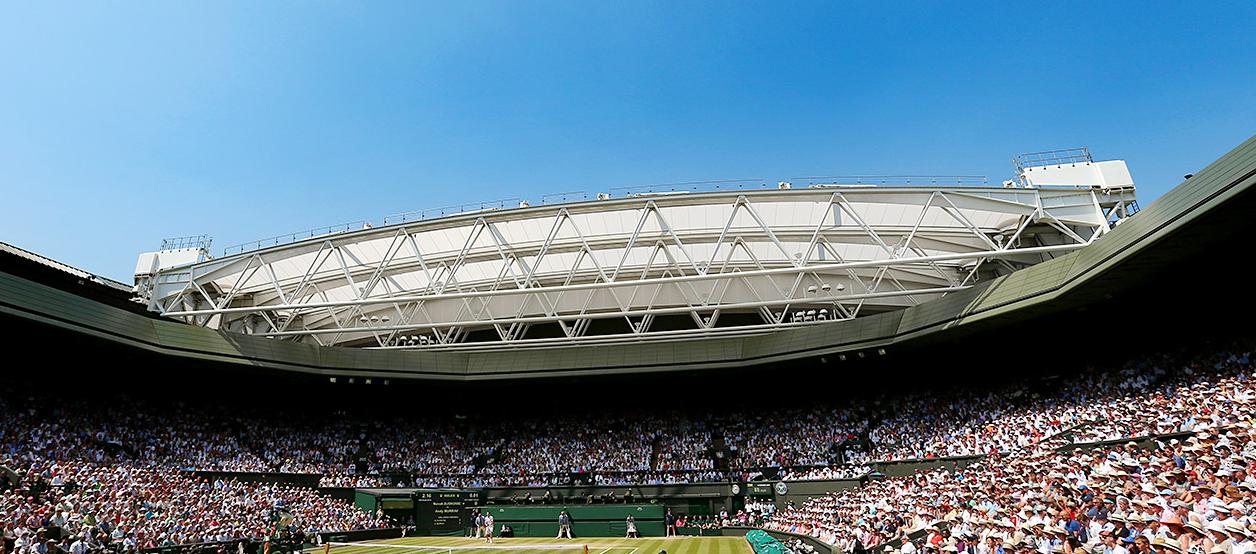
DESIGNER Stephen Morley MOVING ROOF 6.400 m² The main objectives of the Wimbledon redevelopment project were to provide a roof for the centre court, to condition the space to eliminate condensation and provide a comfortable spectator environment. Stephen Morley had a lead role in the Concept and Structural Concept Design He also led the Technical reviews of Detail Design. The fixed part of the new roof consists of four main trusses spanning between four supercolumns located at the corners of the stadium, with a series of cantilever trusses supported at the perimeter of the stadium and extending inwards towards the centre of the court The new roof not only has to span further over the extended seating, but also has to support the new retractable roof and the air conditioning plant and ducting housed within.
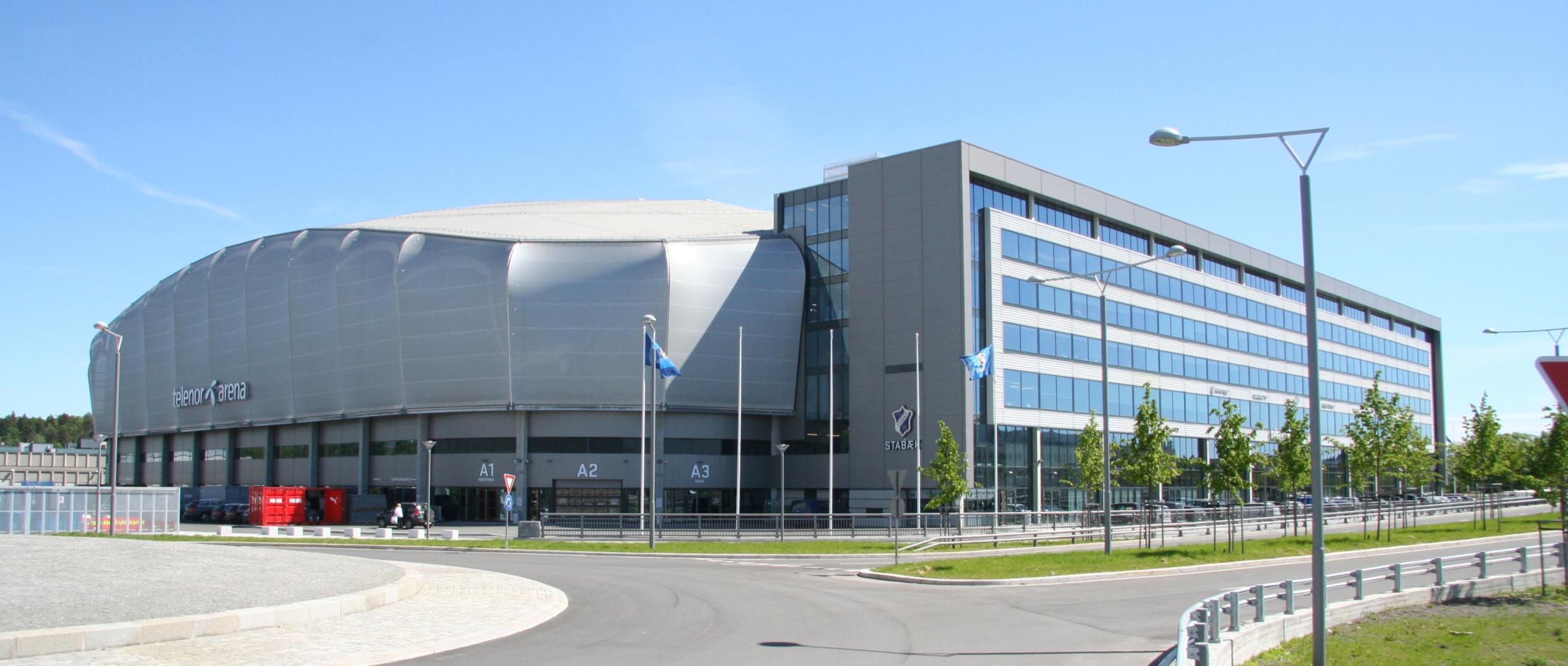
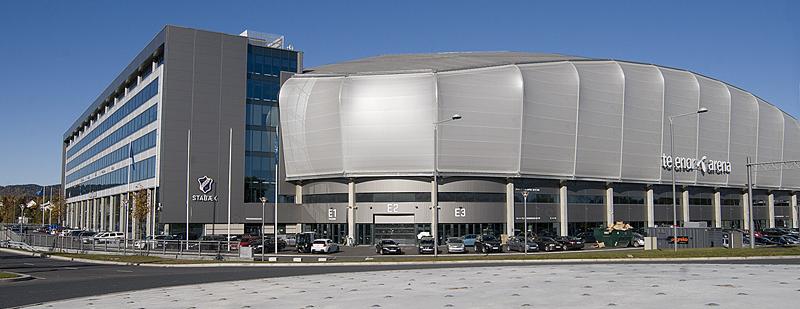
Tensile Structures The project concerns the lateral cover of the stadium in Oslo. The cover is made out of 41 columns upon which are connected 41 steel arches of different high with an average distance between two of them of about 9.6m. The fabric is tensioned from one arch to the near one from the initial high from the finish floor level of about 8 m, to the maximum high of 24 m. the final design and workshop drawings of the fabric façade and back support metal structure, developing an innovative system which allows a fast and efficient installation and tensioning of the fabric panels.
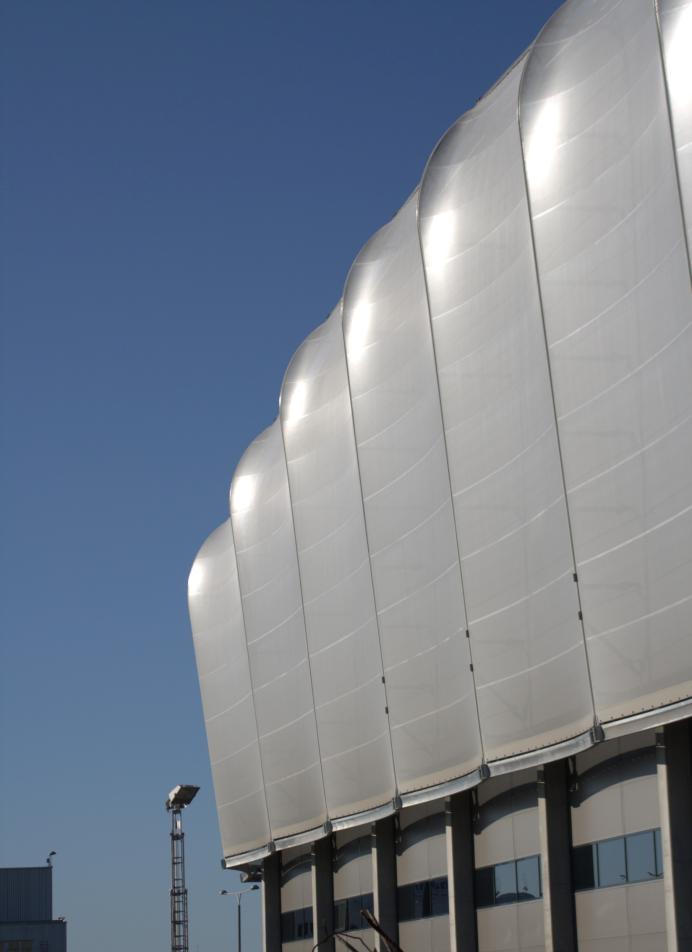
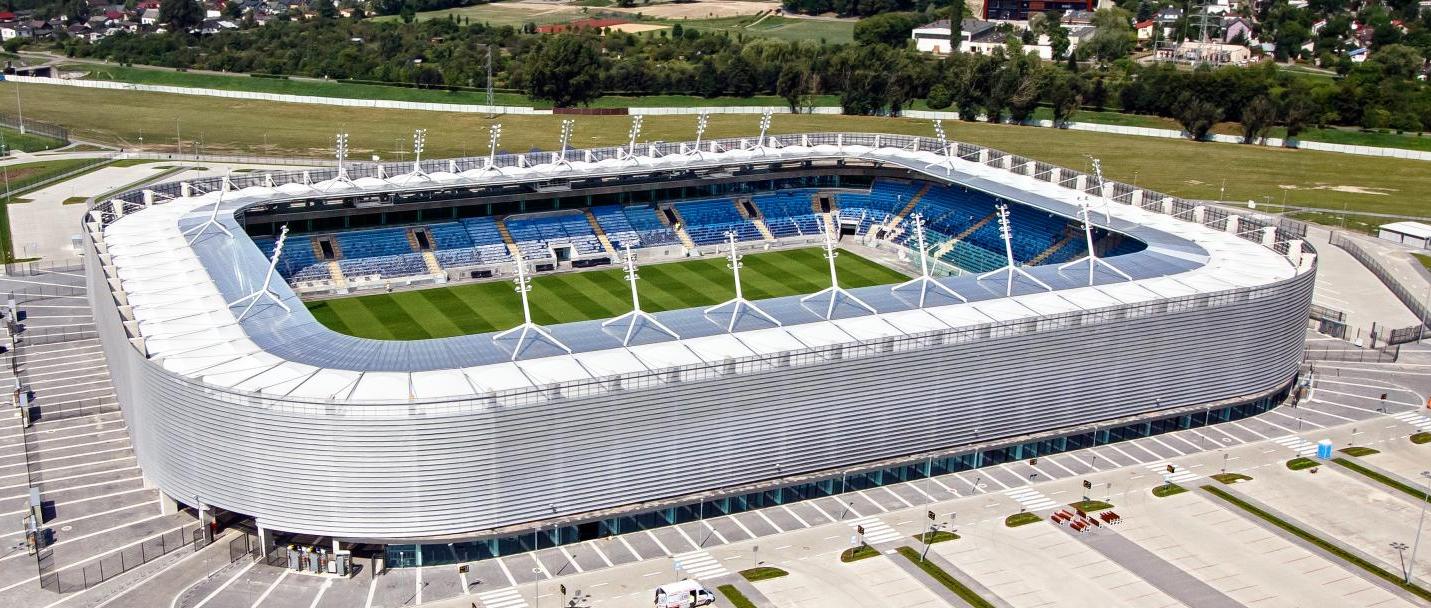
Maffeis provided engineering design services to develop the final design and construction drawings of the roof fabric panels. Particular attention has been considered for the panel optimization as a matter of shape and seam layout correspondence between different bays. The special connection detail for the fabric to the steel structure allows for a clean and essential design, which required high accuracy for the respect of tolerances and development of special tools for installation. Photo credit by: Arena Lublin
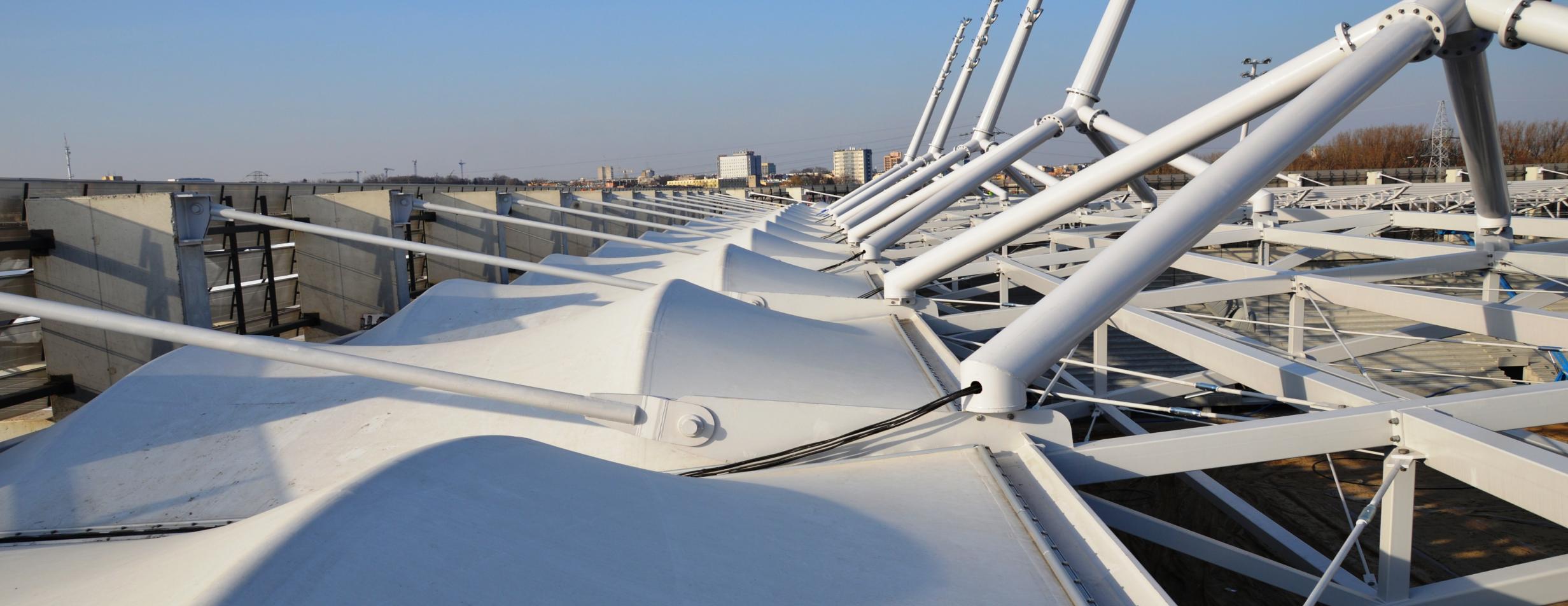
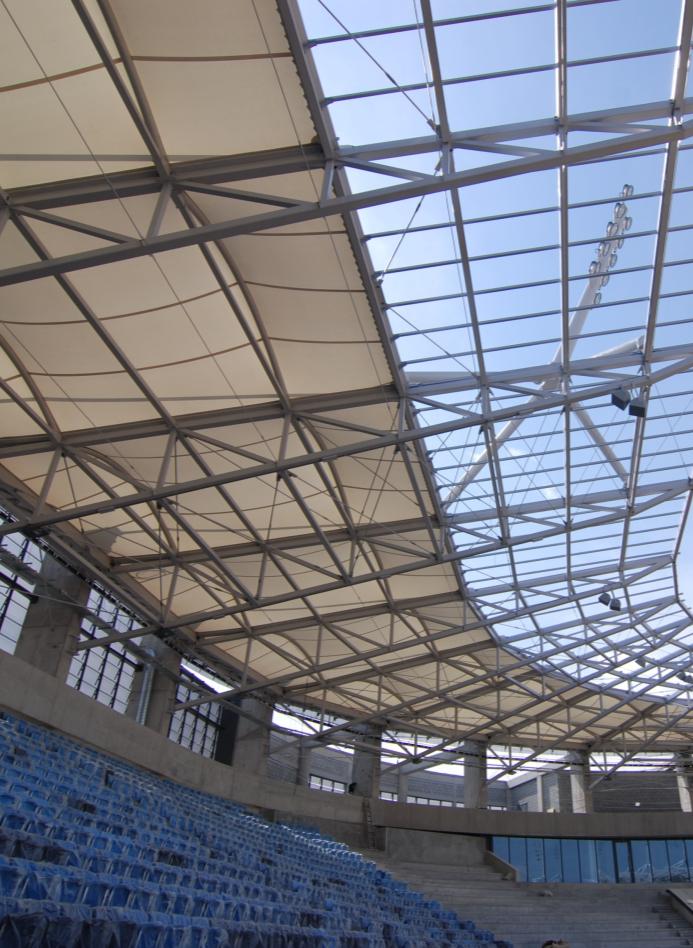
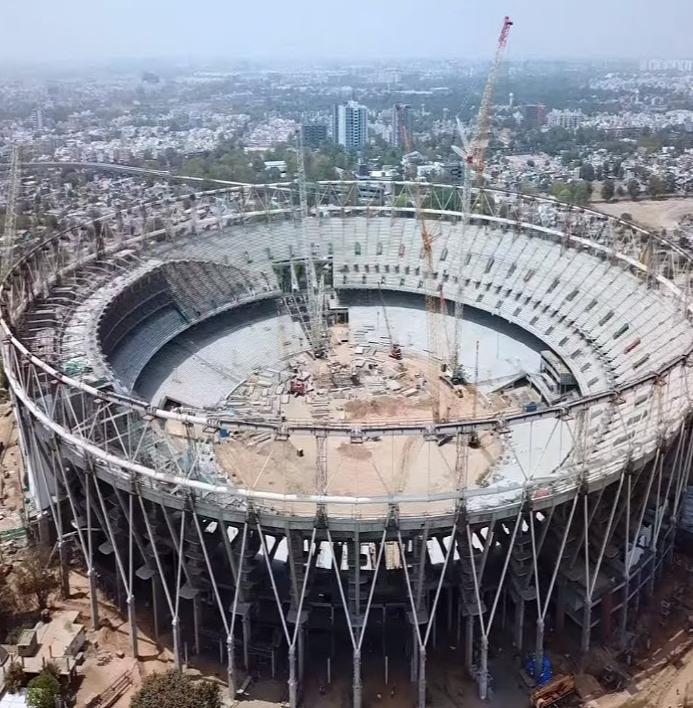
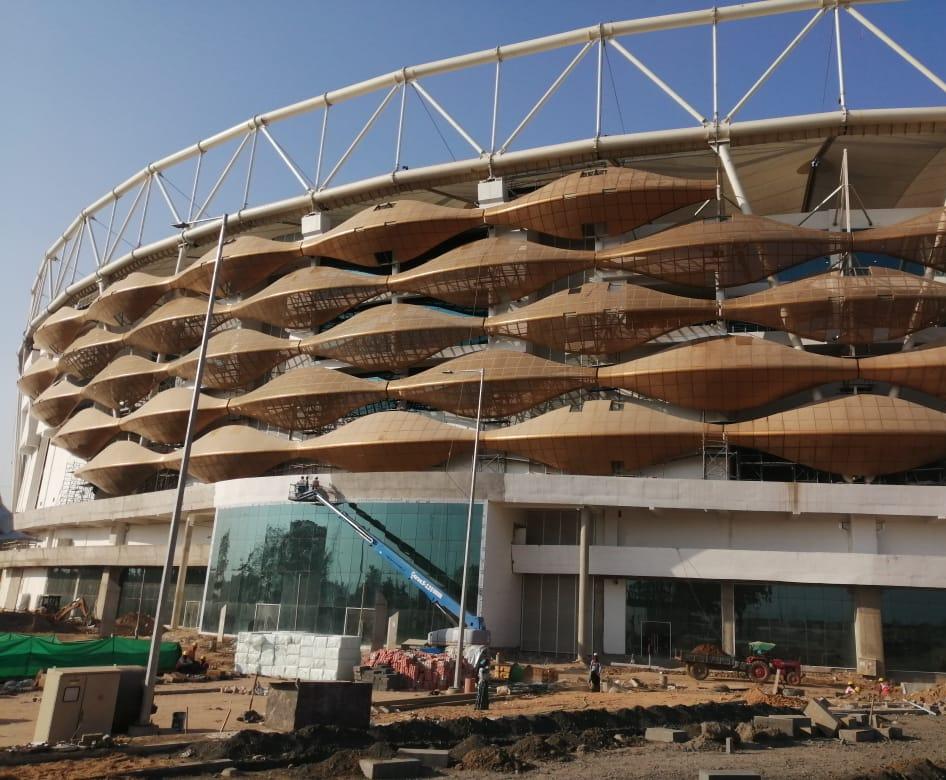
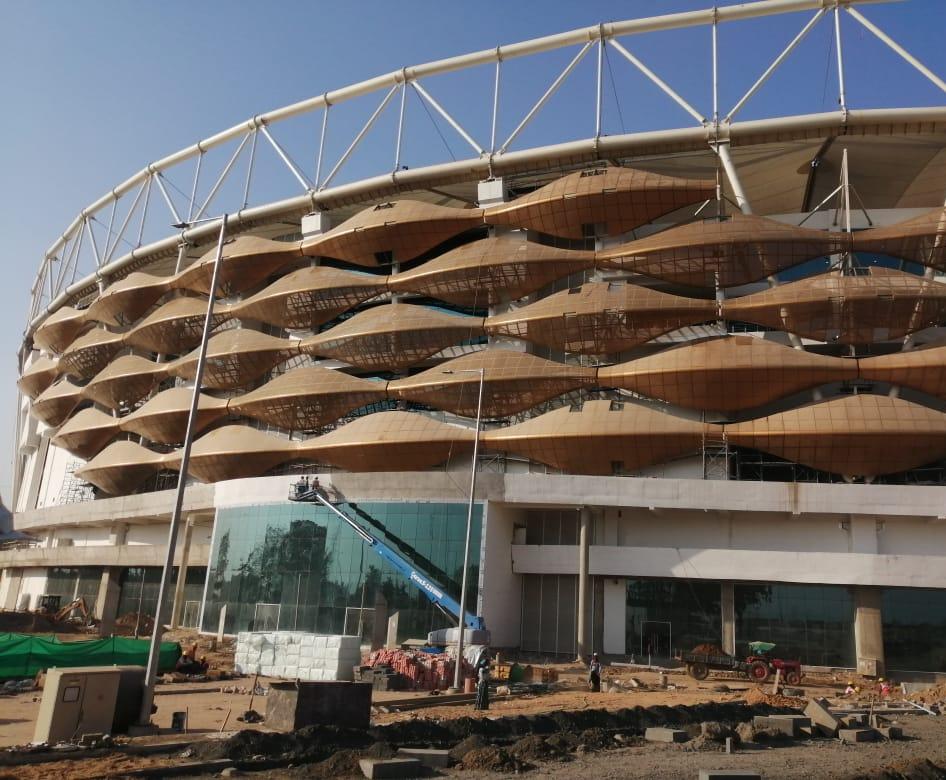
The Motera Stadium (officially known as Sardar Vallabhbhai Patel Stadium), is a cricket stadium in Ahmedabad, Gujarat, India. As of 2020, it is the largest cricket stadium in the world and the second-largest stadium overall, with a seating capacity of 110,000 spectators. cable net roof and the development of the installation methodology and analysis of the erection sequence.
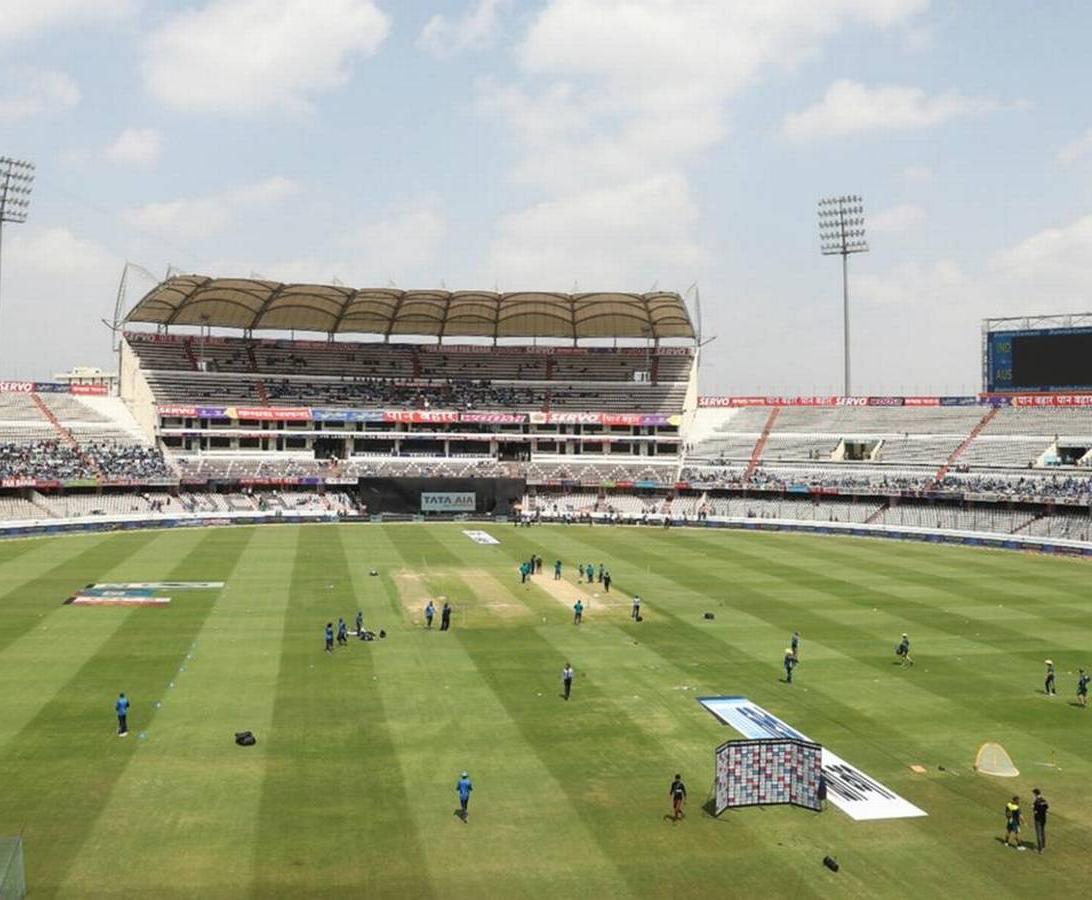
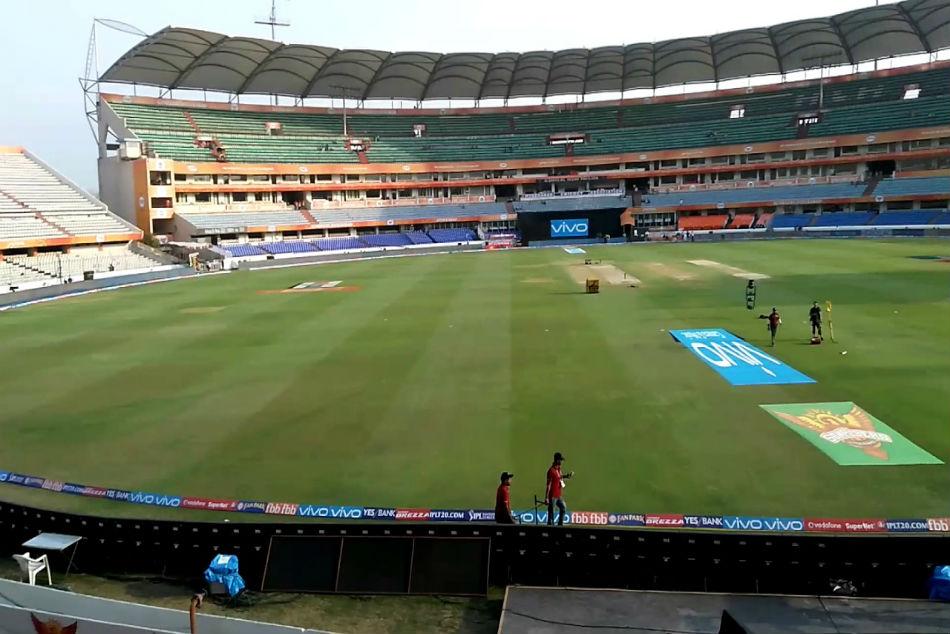
Special Structures The Hyderabad Cricket Stadium is counted amongst the significant cricket stadia of India, located in Hyderabad. Opened in 2003, it serves as the home ground of the Hyderabad Cricket Association. The stadium has a crowd capacity of 55,000 spectators and the arena extends across 16 acres of land. connectors, steel structure and membrane roof with dependent calculations (loads, CFD analysis, node reactions and pressure coefficient).
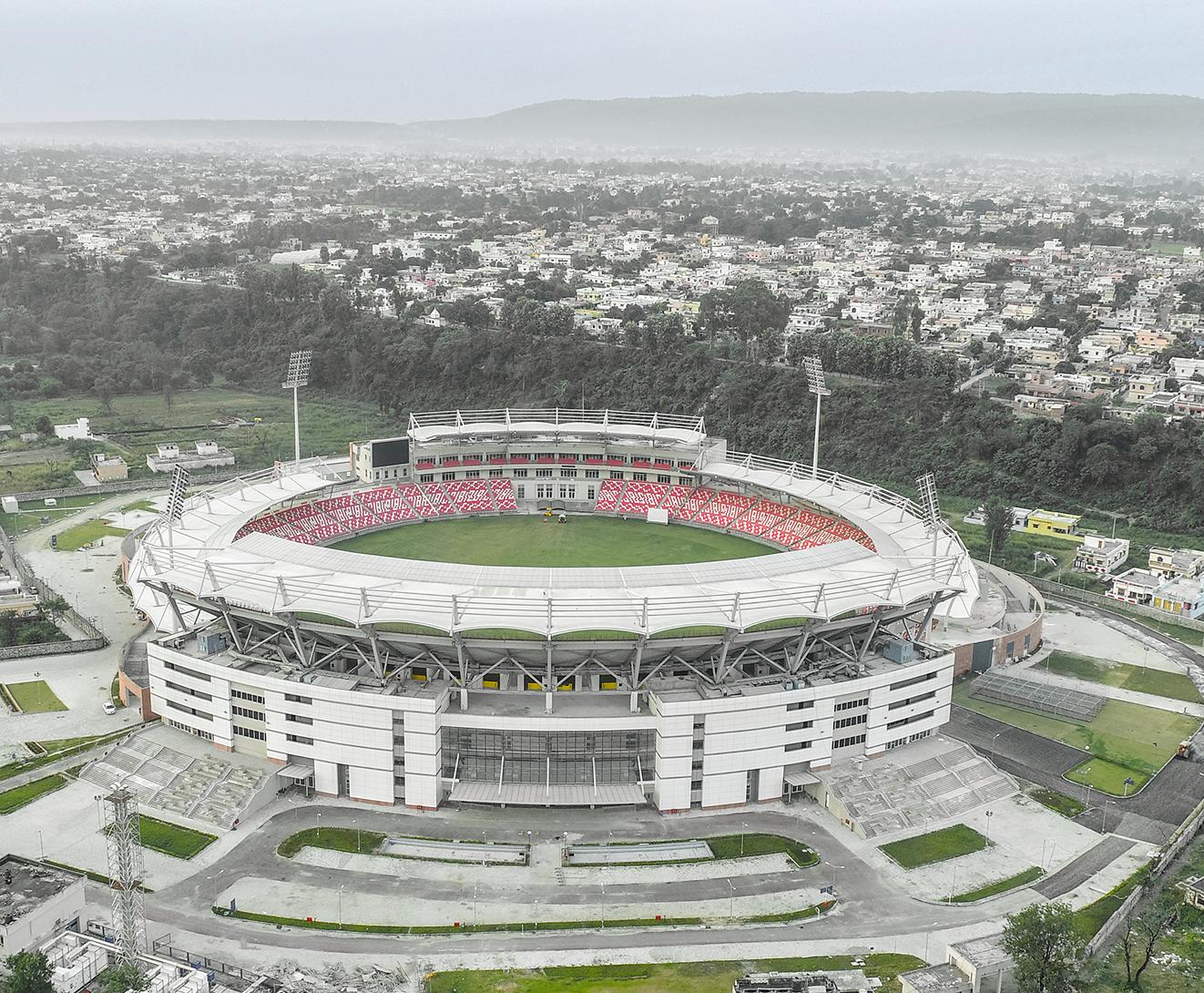
Special structures| Tensile structures Rajiv Gandhi International Cricket Stadium is a multi-purpose stadium in the Raipur area of Dehradun, Uttarakhand. It is the first international standard stadium in the state and was constructed by Shapoorji Pallonji structure of the 25.000-seat stadium, with a total surface area of 10.000 . Concept design with Value Engineering for the steel and PVC fabric solutions, and then final design.
All photographs and text included herein are the property of the Photographer, the Customer or Maffeis including, but not limited to, reproduction, storage, manipulation, digital or otherwise, is expressly prohibited without written permission.